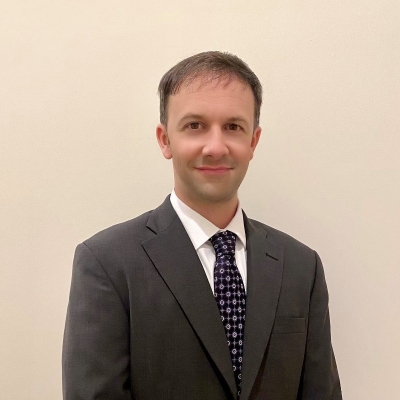
James has over 10 years of industry experience working in a variety of scientific and business roles in gene therapy, virology, oncology, and infectious diseases. His experience includes translational research and product development, from early-stage discovery efforts to clinical grade manufacturing. James earned a PhD in cancer gene therapy from the division of molecular and cellular pathology at the University of Alabama at Birmingham; his doctoral studies focused on adenoviral vector design and targeting (both transcriptional and transductional) and the evaluation of vector efficacy in a range of in vitro and in vivo cancer metastasis models. He completed postdoctoral studies at the same institution, evaluating the efficacy of cytokine-expressing oncolytic herpes simplex viruses in a number of combinatorial treatment strategies. He then spent four years as a scientist at a CRO and a private research institute, conducting research in molecular and cellular biology, oncology, and infectious diseases.
In 2018, he moved into the viral vector CDMO space by joining Vigene Biosciences, which was acquired by Charles River in 2021. Over the past six years, his responsibilities have included business development, proposal writing, and project management. In his current role, James supports Charles River’s gene therapy CDMO services as a technical liaison between the commercial team and operational subject matter experts, helping to align client CMC needs with site capabilities. James has published over 20 scientific and industry articles and gives frequent webinar and conference presentations, covering topics related to the key considerations and challenges in viral vector manufacturing.
Cell and Gene Therapy Thought Leadership and Publications
As a trusted viral vector manufacturing subject matter expert, Dr. Cody has contributed to several webinars, white papers, articles, and discussions addressing key challenges in the cell and gene therapy field.
Webinars
- AAV Production for Rare Disease Therapies: From Challenge to Solution
- Challenges in Gene Therapy Discovery and Development
- Choosing the Right Viral Vector for Your Research
- Comparison Study: Off-the-Shelf Lentiviral Vector Packaging Plasmids
- Gene Therapy Research – Pitfalls and Best Practices
- Manufacturing and Testing a Clinical-Grade AAV Vector: From Concept to Clinic
- Safeguard Your Viral Vector Tech Transfer Program: Considerations and Case Studies
- Splicing-based Gene Editing for Efficient AAV Gene Therapies
- Viral Vector Manufacturing: Optimization Through Culture, QC, and Regulatory Standards

Viral Vector Manufacturing Whitepaper
Strategic planning from day one is essential to keep CGT programs efficient, compliant, and set up for long-term success; explore topics including the transition from adherent to suspension systems, how to manage the "QC tax", and consider US vs. EU standards.
Get Your Copy
Articles and Book Chapters
- AAV Production for Rare Disease Therapies: From Challenge to Solution | International Clinical Trials
- Adenoviral Vectors for Gene Therapy | Chapter 26: Manufacturing and Upscaling
- Ask a Scientist: Are Adenoviral Vectors Still Used in Gene Therapy?
- Considerations for Successful Scale Up and Viral Vector Purification | Cell & Gene Therapy Review (Premiere Issue 2025)
- Scientists in the News: Meeting the Challenges of Viral Vector Manufacturing
Talks
- NGS-Driven Quality: Redefining Biosafety and Release Strategies in Advanced Therapy Manufacturing | Advanced Therapies Week 2026
- Tech Transfer & Manufacturing for Scaling Biotech | Advanced Therapies Week 2026
- Viral Vector Gene Therapy Journey: Discovery to Commercialization | CGT Summit 2024
Explore expert insights to inform your program and download a copy of the CGT Summit visual map.
Q&A with James Cody, PhD
Q: What inspires you about supporting clients developing new cell and gene therapies?
JC: One aspect of our work that motivates me is the visibility that we have as a CDMO into the various new technologies that our clients are working on. It is truly amazing to see the variety of potential new therapies are headed to the clinic and think of the ways that these therapies will improve the lives of patients. On occasion, we have had the privilege to hear directly from patients or patient organizations who have received a product that we made. It's truly inspiring to hear these stories, especially those of patient families who have shown such determination in finding a therapy. To know that we will be able to be a part of that journey and bring life-changing therapies to life is truly inspiring.
Q: What common pitfalls do emerging therapy developers face when selecting a CDMO partner?
JC: Finding the right CDMO is definitely one of the most important decisions that a developer will make. Cell and gene therapy products are incredibly complex and may be based on biology that isn’t fully understood when a program is launched. It is important to be aware that challenges may arise. The best CDMO will have the program's long-term success in mind and can foresee challenges wherever possible to circumvent potential problems. Sometimes, what appears to be the fastest or cheapest path to the clinic may not turn out that way.
Q: What trends in viral vector development are most influencing manufacturing strategies today?
JC: I think there's long been a push to find greater efficiencies in getting products to the clinic. This could be the result of faster manufacturing, greater upstream productivity, better downstream recovery, or a combination of these. At the same time, there are efforts to produce more effective products, either with greater potency or better infectivity. Collectively, all of these efforts are focused on the same goal, which is to deliver therapies to more patients and in shorter timeframes.
Q: What are the biggest challenges developers face when moving viral vector processes to GMP scale?
JC: One of the key challenges is that manufacturing at a large scale can magnify issues that may not be evident at a smaller scale. For example, the specific gene of interest (GOI) can impact vector productivity. Two GOIs may look to be similar in productivity at a small scale, but not so at larger scales. Another challenge is the cost. Getting a product to the clinic involves a lot of costs besides the manufacturing itself, such as the raw materials and the testing (both release and stability).
Q: How do you help developers optimize vector yield, potency, or consistency?
JC: Good yield starts with a good process. We will typically perform a run or two at using our scale-down model to see how well a client's construct fits with our platform. Based on the data from those runs, we can make modifications to either upstream or the downstream conditions (or both). Having a platform helps with consistency. For example, we have a lot of experience with our vector packaging plasmids and our production cell lines, so generally what we see at smaller scale runs is predictive of what we will see during a large scale GMP run. This allows us to address potential challenges early.
Q: What considerations should teams prioritize when choosing a manufacturing platform or host cell line?
JC: Having a platform with an established regulatory track record is important. Good productivity and consistency is another. Lack of IP entanglements is another. In most cases, there are a few different options for manufacturing. The best one will find a balance of good productivity and low cost over the long term. It is important to consider long term plans.
Q: What innovations in analytics or release testing are making the biggest impact?
JC: Similar to manufacturing, there is also a goal to make the analytical testing faster and cheaper. To give one example of a recent advance: next-generation sequencing (NGS) can be used for adventitious agent testing. This can save cost and time over the traditional in vitro and in vivotesting methods. Beyond that, there is also a desire to develop methods that require smaller sample volumes. Especially for vector products, the amount of actual drug product generated from a run is relatively small, making the material quite precious.

Explore our Viral Vector Center of Excellence
Specializing in GMP production of adenovirus, AAV, lentivirus, and retrovirus for gene and gene-modified cell therapies.
Explore Rockville