
Transforming Your Oncology Drug Development
Every moment matters when it comes to developing oncology therapeutics, especially yours. Join us at the American Association for Cancer Research® (AACR) Annual Meeting 2026*, and explore our posters and resources below to learn more about how our comprehensive, integrated oncology portfolio can help you. Together, we’re changing the way cancer therapies are discovered and developed. Optimize your workflows to maximize your success across modalities such as, small and large molecules, cell and gene therapies, vaccines, and combination therapies.
| Sunday, April 19, 2026 |
|---|
| Innovative Therapeutic Modalities and Translational Platforms | Section 13 | 2:00 - 5:00 PM Poster #299: From Factory to Patient: In Vivo‑Expressed Biologics as a New Paradigm for Immunotherapy Manufacturing Robert Nunan, Associate Director |
| Innovative Therapeutic Modalities and Translational Platforms | Section 13 | 2:00 - 5:00 PM Poster #300: Mapping Cellular Fate: From Metabolic Dynamics to DNA Damage Responses Robert Nunan, Associate Director |
| Noninvasive Imaging and Analysis of Animal and Tissue Models | Section 30 | 2:00 - 5:00 PM Poster #731: From Hours to Seconds: A New Tool for Accelerating In Vivo Rodent Imaging Data Analysis Using AI Algorithms Charles River in collaboration with Revvity Inc. |
| Monday, April 20, 2026 |
|---|
| Characterization of Metastases by Imaging and Profiling | Section 27 | 9:00 - 12:00 PM Poster #2113: Optical Imaging and Digital Pathology Evaluation Increases the Translational Value and Robustness of Patient-Derived Metastatic Breast Cancer Models Julia Schueler, Research Director, Therapeutic Area Lead Oncology |
| In Vivo Imaging | Section 28 | 9:00 - 12:00 PM Poster #2141: Progression of Blood Brain Barrier Leakage in Orthotopic Glioma SRG Rat Model Using Contrast Enhanced MRI Tuulia Huhtala, Associate Director |
| In Vivo Models 1: Mouse, Zebrafish, and Alternative Species | Section 29 | 9:00 - 12:00 PM Poster #2175: Towards Ethical and Robust Drug Development: Comprehensive Validation of an Animal-Free Matrix for In Vivo Tumor Models Julia Schueler, Charles River in collaboration with TheWell Bioscience |
| Humanized Mouse Models | Section 27 | 2:00 - 5:00 PM Poster #3372: Predictive In Vitro Assays and PBMC Donor Banking: Reducing Variability in Humanized Mouse Studies Julia Schueler, Research Director, Therapeutic Area Lead Oncology |
| In Vitro Models 1: 2D and 3D | Section 28 | 2:00 - 5:00 PM Poster #3420: DoE-Based Optimization of Transposon-Based Gene Insertion Using the Harbor-IN System Julia Schueler, Charles River in collaboration with Demeetra |
| Tuesday, April 21, 2026 |
|---|
| Vaccine Platforms and Target Identification | Section 10 | 9:00 - 12:00 PM Poster #4364: Next-Generation RNA Vaccine Modalities Enable High-Fidelity Antigen Discovery and T-Cell Immunogenicity Screening Robert Nunan, Associate Director |
| In Vitro Models 2: 2D, 3D, Organoids, and Spheroids | Section 28 | 9:00 - 12:00 PM Poster #4874: Preclinical Assessment of HER2 CAR-T Cells Using Tumor and GI Organoid Models to Define Therapeutic Window Julia Schueler, Research Director, Therapeutic Area Lead Oncology |
Bridging the Translational Gap: Assessing the Predictive Value of NAMs and Humanized Mouse Models, with Insights from Myeloid-Directed Cancer Drug Development 
Oncology R&D increasingly relies on New Approach Methodologies (NAMs) and humanized mouse models to inform decisions from early discovery through to translational development. This talk examines when and how these approaches provide actionable predictive value—and where their limitations remain—drawing on concrete experience from myeloid-directed cancer drug development. We outline a pragmatic framework for integrating advanced in vitro systems and humanized in vivo models to strengthen translational confidence, reduce development risk, and accelerate the delivery of effective cancer therapeutics.
What you will learn:
• How to reduce translational risk without slowing development
• When NAMs and humanized mouse models are fit-for-purpose, where their limitations lie, and how combining them can help efficiently move them from early laboratory insights to first-in-human readiness
Presented By:
This Exhibitor Spotlight Theater is a promotional activity and is not approved for continuing education credit. The content of this Exhibitor Spotlight Theater are the opinions of the presenter and do not represent the position or the opinion of the American Association for Cancer Research® (AACR) or its members.
Selected resources to frame scientific discussions at AACR, including model selection, efficacy strategy, and development readiness.
PDX and Humanized Models for Translational Decision Making

Expedite PDX Efficacy Data
Explore how integrated PDX, 3D, machine learning, and in silico approaches can accelerate go/no go decisions ahead of IND enabling studies.
Pediatric PDX Models and RACE Act (On Demand webinar)
Discusses RACE Act implications for oncology and the role of well-characterized pediatric PDX models in regulatory-aligned efficacy evaluation.

Advancing Antibody Drug Conjugate (ADC) Discovery Against Cancer (webinar)
Describes a full ADC development workflow—from antibody discovery to in vivo efficacy—used to inform model selection, risk assessment, and IND enabling strategy.
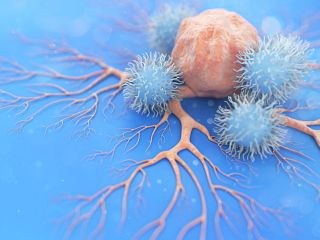
Humanized and Immunodeficient Mouse
Overview of available humanized and immunodeficient models to support immuno-oncology, cell therapy, and antibody-based programs.
Tools Commonly Used to Structure Scientific Discussions
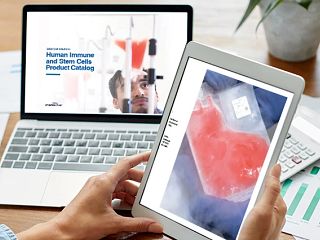
Preclinical Study Planning Toolkit
Plan and scope efficacy studies across relevant oncology models. Frequently used as a baseline to align on models, endpoints, timelines, and budget assumptions during early discussions.

Real-Time Solution to Procuring Animal Models
Provides visibility into model availability and lead times to support feasibility planning during early program evaluation.
87%
Percentage of FDA-approved cancer drugs in 2025 that were developed with Charles River.
90
Oncology patents co-invented by our scientists.
21
Oncology candidates delivered to our partners.
*Not affiliated with or endorsed by AACR.