
Biologics
|
Miriam Hopfe
A Noninvasive Way of Genotyping Your Mouse Colonies
Transgenic animal models are indispensable in biomedical research. Oral swabs are an alternative way to genetically identify them.
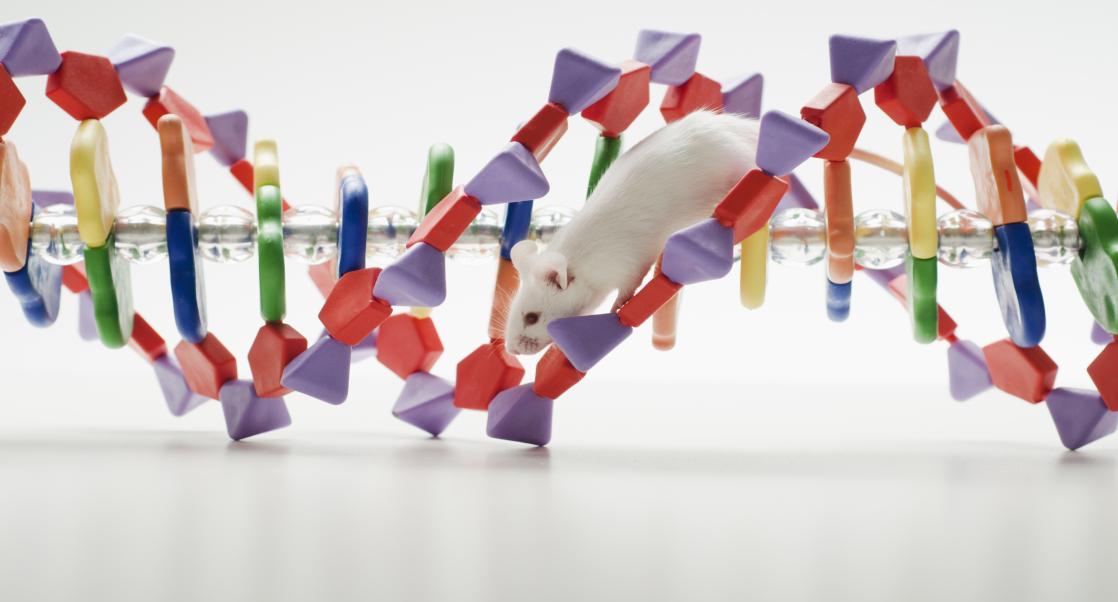
Since the 1980s, genetically modified mouse models have been used to study gene function and diseases, and to help develop drugs. Because these models have been genetically altered to overexpress or lack specific genes, and then bred over time, it is important to genotype them accurately in order to maintain consistency within the mouse colony over time. Correct genetic identification of genetically modified rodents is critical to the efficiency of the research and reproducibility of the data.
For generations, genetically modified mice were largely genotyped using an invasive ear or tail biopsy. But with the development of easier and faster methodologies to generate genetically altered animals, convenient and humane methods to genotype these animals are increasingly important to research and to meeting 3Rs objectives (to replace, reduce and refine the use of research animals.)
One alternative method for genotyping is the simple but effective noninvasive oral swab. Our lab previously established the value of oral swab genotyping in rabbits. Recently, we adapted the sampling method for mice—the model most widely in research—into our laboratory setup.
What are the benefits of oral swab genotyping?
Oral swabbing refines the use of research animals because it allows us to avoid the use of two invasive techniques which can be a major source of discomfort for the mice, and minimizes handling of the animals. In fact, the Federation of European Laboratory Animal Science Associations Working Group recommends using noninvasive methods whenever possible. Oral swabs also decrease the risk of cross-contamination. One swab is used for each animal whereas for ear and tail biopsies you have to use the same scissor which have to be cleaned after each ear or tail biopsies. If the scissor is not cleaned properly this can lead to contamination.
When should oral swabs be used for genotyping?
Though the ear and tail biopsies remain the dominant choice by many labs, oral swabs are now included as an option in standard genotyping services. They can also be used as an alternative when a second invasive biopsy is not possible. If you are working with homozygous lines or older animals, or you need to confirm an animal’s genotype before or during experiments oral swabs are also a good option. Animals that are identified with ear tags or tattoos are also good candidates, if a biopsy is not possible.
Important considerations when using oral swabs
Any animal research facility that plans to use this noninvasive method must adopt high-quality techniques. For instance, the swabs have to be done perfectly so that there is a sufficient amount of genetic material on the swabs to get a clear genotype. Training of animal caretakers is key. Our lab has developed these instructions to optimize training on using oral swabs correctly.
Another consideration is the type of swab being used. Our lab tested different swabs, and they all work fine. However, one important caveat is that the swabs need to be small enough (about 3.2 mm) to fit into the mouse’s mouth. The age of animals is also an important factor. It is optimal to take swabs from animals older than 16 days – the same age as an ear biopsy.
Researchers: Choose your genotyping partners wisely
If a company or academic laboratory outsources genotyping services, it is important that they select partners with the skillsets and equipment to do the work properly. For instance, do the contract labs have an automated workflow that can complete a higher number of samples in a shorter period of time? Do they offer real-time PCR analysis and conventional PCR? Can they ship in cool packs or dry ice? The oral swabs can be shipped at room temperature or in cool packs. However, customers need a short turnaround time to start their breeding. Therefore, the turnaround time should be really low. (Our normal service in the Erkrath lab is 48 to 72 hours (weekend excluded) but results can be also sent faster.)
In conclusion, we have found that genotyping mice using oral swabs, and implementing it into our workflow is a definite plus. Working in a 96-well format through the whole workflow permits the genotyping of a higher number of samples in a short period of time. Having this noninvasive sampling method also allows us to meet our 3Rs objectives by minimizing pain and stress in animals.
Miriam Hopfe is Head of Genetic Testing Services at Charles River Laboratories' site in Erkrath, Germany. Katharina Gers-Barlag, formerly a Scientific Officer at Charles River, contributed to this article.
Biologics Testing Solutions
We have the capabilities to address the needs of clients based anywhere in the world and have specialized programs for companies that focus on vaccine, cell and gene therapy, and biosimilar development.