
Safety Assessment
|
István Kóródi
In-Vitro Testing for Medical Devices
A first step towards minimizing animal use in medical device testing
The 3Rs Principle: Replacement, Reduction and Refinement have become synonymous with measures to improve the welfare of animals used in research. But until now, they have not applied to medical devices however, there has been an evolution in guidelines governing testing of medical devices in recent years, and it is clear the landscape is starting to change.
Indeed, the scientific literature, reference to similar devices, and a properly performed biological risk analysis have long been cornerstones of a testing strategy for biocompatibility of medical devices; moreover, guidelines for testing of medical devices have always emphasized the need to minimize animal use.
So, the time is now!
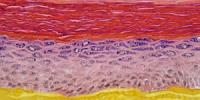
The latest development recognizes advances in tests for dermal irritation using reconstructed epidermis (RHE). In vitro skin irritation is now an option according to test guideline ISO 10993-23 (2021), a non-governmental body that develops standards that support innovation. Skin irritation is a commonly required test for biocompatibility and can significantly reduce animal use. As more in vitro tests are validated, they should also be incorporated into the medical device testing battery. In fact, data shows that in vitro test results are more comparable than animal tests, as in-vitro data is quantitative.
Source
In vitro studies are not newcomers in laboratory science. For many years labs, including Charles River, have been running in vitro alternatives for crops and chemicals, and cosmetics. Here are some examples of how in vitro tests are reshaping the medical device industry as well.
In Veszprém, Charles River Laboratories Hungary, we have validated or are currently assessing multiple in vitro assays for medical devices. The site in Hungary also has extensive experience in histopathology evaluation of in vitro tissues. The models currently offered include:
Source
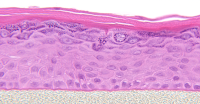
- EpiSkin models. In vitro skin irritation studies on EpiSkin models have been used in Veszprém since 2013 and keeping up with the new guidelines this year they were validated for medical devices. EpiDerm models from Mattek, were validated in 2020, and in 2021 for medical devices. They are now accepted alternatives to the in vivo rabbit irritation test. Having 2 models available allow us to offer study start dates rapidly.
- EpiVaginal, EpiOcular, EpiGingival, EpiAirway. The first 2 In vitro methods for eye and vaginal irritation have already been validated on-site for chemicals and all four models are currently under validation for medical device testing to be able to offer them as needs arise.
So, the landscape is clearly shifting in the direction of in vitro testing for medical devices. Surely the 3Rs principles is one of the main factors for choosing the in-vitro alternatives. However, it also must be highlighted that these studies do not require any live animal purchase or ethical approval. Therefore, they can be initiated rapidly and are non-dependent on animal supplies whilst keeping the same turnaround times.
As more and more in-vitro assays are accepted by the regulators, we anticipate a continued increase in demand for these in-vitro models from our clients. Aside from having these models readily available, Charles River Laboratories also possesses years of experience and historical control data to guide clients through their testing needs.
 István Kóródi – Client Manager, Charles River. István has been with the team in Hungary for almost 5 years now, concentrating on chemicals and medical device projects. He has assisted many clients in choosing scientifically and regulatory the most appropriate studies whilst ensuring clients are provided the highest level of customer service throughout their Charles River journey.
Charles River Laboratories Hungary , center of excellence for biocompatibility testing, in-vivo inhalation, terrestrial ecotoxicology studies and also offering DART and other study types.