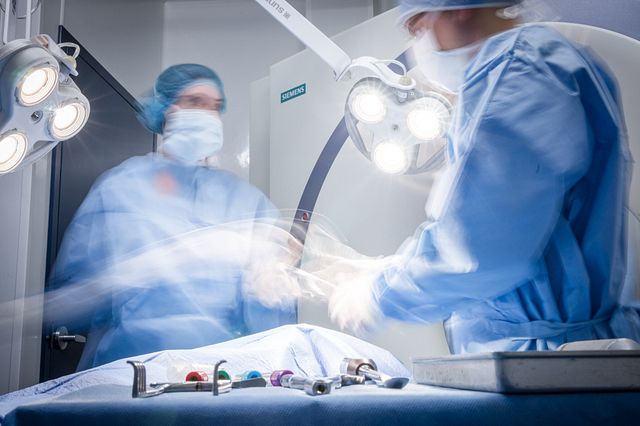
Safety and Efficacy Orthopedic Device Testing Models
We have two state-of-the-art facilities in North America ready to support your orthopedic device testing needs. Our comprehensive portfolio of orthopedic device services includes imaging modalities and diverse histological endpoints that are quantitatively assessed using manual and software-guided automated histomorphometry. Dedicated veterinary pathologists are available to perform a full histopathological analysis and create resulting quantitative reports.
Our specialized models can help accelerate the development of your orthopedic medical devices.
Bone Fracture/Defect Repair Orthopedic Models
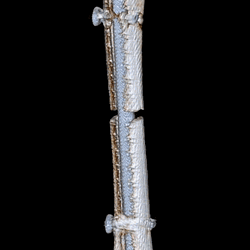 Dedicated, knowledgeable experts are available to help navigate your orthopedic study needs. Our orthopedic device testing for bone repair models encompasses orthobiologics and the evaluation of bone substitutes, long-bone femoral and tibial defects, press-fitted insertion and gap models, osteotomy repairs (e.g., critical-size segmental defects), bone apposition and the evaluation of bone implant contact (BIC), and osseointegration and bone ingrowth.
-
Bone fracture and defect repair orthopedic model publications:
- Enhanced bioactivity and osseointegration of PEEK with accelerated neutral atom beam technology
- Efficacy of silicate-substituted calcium phosphate with enhanced strut porosity as a stand-alone bone graft substitute and autograft extender in an ovine distal femoral critical defect model
- Safety and Efficacy of PEEK Intramedullary Nail Fixation System using an Ovine Tibial Fracture Repair Model
- Fracture Healing and Bone Remodeling With Human Standard-Sized Magnesium Versus Polylactide-Co-Glycolide Plate and Screw Systems Using a Mini-Swine Craniomaxillofacial Osteotomy Fixation Model
Spinal Fusion and Non-Fusion Spinal Orthopedic Models
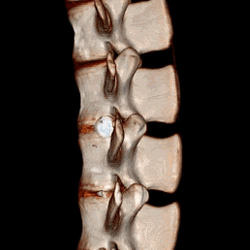 We offer a range of spinal fusion and non-fusion orthopedic models, including intervertebral fusion cages, posterolateral lumbar intertransverse spinal fusion (PLF), disc arthroplasty, and nucleus pulposus replacement.
-
Spinal fusion and non-fusion model posters and publications:
- Novel accelerated neutral atom beam processing as a PEEK surface treatment: a four-month preliminary study using an ovine lumbar intervertebral spinal fusion model
- Evaluation of bone substitutes using a rabbit posterolateral lumbar intertransverse process spinal fusion (PLF) model: a subchronic pilot study
- Peptide Enhanced Bone Graft Substitute Presents Improved Short-Term Increase in Bone Volume and Construct Stiffness Compared to Iliac Crest Autologous Bone in an Ovine Lumbar Interbody Fusion Model
Joint/Cartilage Models
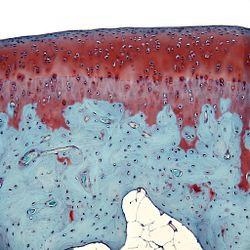 Our musculoskeletal expertise covers a range of joint and cartilage orthopedic models, including knee articular cartilage repair, osteochondral defect repair, microfracture defects, osteoarthritis (OA) reduction, anterior cruciate ligament transection (ACL-T), ACL reconstruction and fixation, meniscal reconstruction, and rotator cuff repair.
Osteoinduction Models
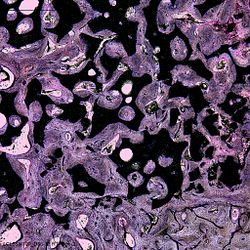 We offer highly specialized osteoinduction evaluations, including ectopic bone formation and the muscular pouch model.
Craniomaxillofacial Models
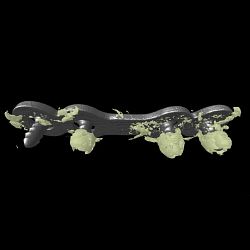 Our range of craniomaxillofacial models include cranioplasty, parietal bone and mandibular defects, maxillofacial fracture fixation, alveolar ridge augmentation, and dental implants.
-
Related resources for craniomaxillofacial devices:
- Open-porous scaffolds made of short magnesium fibers as bone defect fillers
- Fracture healing and bone remodeling with human standard-sized magnesium versus polylactide-co-glycolide (PLGA) plate and screw systems using a mini-swine craniomaxillofacial osteotomy fixation model
- Safety and efficacy of a novel, gradually anodized dental implant surface: A study in Yucatan mini pigs
- Biodegradable magnesium barrier membrane used for guided bone regeneration in dental surgery
- Biodegradable magnesium fixation screw for barrier membranes used in GBR
Orthopedic Models for Medical Devices
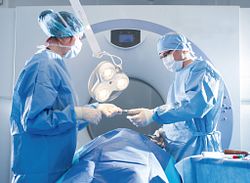
Discover more on preclinical safety and efficacy assessment of orthopedic devices and specialty orthopedic and musculoskeletal studies.
Imaging Modalities for Orthopedic Studies
Imaging is frequently a key component of orthopedic studies. Our imaging modalities include computer tomography imaging (CT scanner), magnetic resonance imaging (MRI), high-definition radiography (Faxitron™), and micro-computed tomography (microCT).
Frequently Asked Questions (FAQs) for Orthopedic Device Testing
-
What is an orthopedic medical device?
An orthopedic medical device is any biomaterial, implant, tissue regenerative material, scaffold, biologics, drug, or combination product intended by a manufacturer to be used in human beings for one or more of the specific purpose(s): prevention, replacement, fixation, repair, regeneration of a damaged joint, bone or soft tissue, treatment a musculoskeletal disease or trauma.
Orthopedic biomaterials are mainly fabricated from biocompatible metals, polymers, and ceramics of either solid or porous forms. They can be bioresorbable or related to combination devices, including biological, cellular, and biomaterial scaffold components. They can also be synthesized from a wide variety of manufacturing techniques, including specialized and personalized additive manufacturing.
-
How can an orthopedic device CRO improve my preclinical orthopedic device study plan?
Every orthopedic biomaterial, implant, biologics, or combination product is different, and there is no “one-size-fits-all” orthopedic study plan. Having seen a vast array of musculoskeletal and orthopedic device types under development, our multidisciplinary team of experts utilizes a deep understanding of efficacy, safety, performance, and regulatory guidelines to develop an appropriate testing strategy to suit the needs of your orthopedic device. Our unique combination of regulatory expertise with orthopedic devices and comprehensive portfolio of services allows us to create a tailored plan to carry you from the earliest stages of study design to GLP assessments, so you can get to market faster.
-
How is Charles River different from other orthopedic medical testing CROs?
Meeting the needs of patients with cardiovascular, orthopedic, dermatology, oncology and immuno-oncology, endocrinology, neuroscience, ophthalmology conditions and more, medical devices serve numerous therapeutic areas. As a global CRO with over 2,000 scientists, we have experts in every field who partner with our dedicated medical devices team to create orthopedic study designs tailored to your device.
Optimizing Viral Clearance Studies for Medical Devices: Challenges, Expectations, Examples
In this webinar, our experts provide key strategies you can apply to your own medical device viral clearance program, including study guidelines, the types of materials and model viruses used, and methods for performing viral clearance testing on solid materials.
Watch the Webinar