
Featured News
Charles River Laboratories receives 3rd Prize in the China National Light Industry Council’s Science and Technology Progress Award
Recognized for emerging technologies of rapid microbial detection in cosmetics
The "Validation and Suitability Study of ATP-based Bioluminescence Amplification Detection Method for Microorganisms in Cosmetics" project won the third prize of China National Light Industry Council’s Science and Technology Progress Award.
This project was initiated by China National Research Institute of Food & Fermentation Industries Co., Ltd., National Institute for Food and Drug Control, Unilever (China) Co., Ltd., Beijing Procter & Gamble Technology Co., Ltd., and Charles River Microbial Solutions (Shanghai) Co. Ltd. to promote the application of new technologies of rapid detection in the field of microbial control in cosmetics.
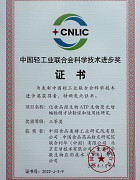
China National Light Industry Councils' Science and Technology Progress Award
It established a stable and mature ATP-based bioluminescence amplification method, significantly reducing microbial detection time and completing sufficient suitability validation. The accomplishment also demonstrated how validation of new microbial testing methods are progressing in the Chinese cosmetic industry.
Innovative areas that qualified the prize:
- Based on the characteristics of the cosmetics preservative system and common microbial species, an enrichment culture medium suitable for co-enrichment of bacteria, yeast, and mold in cosmetics has been developed. The amplified ATP-bioluminescence method for cosmetic microorganisms has been optimized and established, achieving synchronous detection of various microorganisms in cosmetics within 24 hours.
- Comprehensively considering the characteristics of microbial taxonomy and growth characteristics, 108 representative strains of 51 common bacteria, yeasts, and molds related to cosmetics raw materials and production environment were collected, and the feasibility of ATP-based bioluminescence amplification method was investigated and established.
- Initially, a systematic validation study was conducted on the amplified ATP-bioluminescence method as well as the five standard testing methods in the "Cosmetic Safety Technical Specifications", including total colony count, mold and yeast, heat-resistant coliform group, Pseudomonas aeruginosa, and Staphylococcus aureus, providing a scientific basis for the reliability of the ATP-bioluminescence method.
- For the first time, a comprehensive selection of ordinary and special cosmetics with different functional claims, areas of action, product formulations, and user groups was conducted to study the suitability of amplified ATP-bioluminescence method, providing scientific basis for the promotion and application of the ATP-bioluminescence method.
- An innovative method validation and suitability evaluation research model was created that integrates representative strain selection, representative product selection, precise control of low concentration bacterial suspensions, preparation of artificially contaminated samples, and comparative analysis of methods. This provides new research ideas for systematically evaluating the performance indicators of new methods, exploring the applicability and application effects of new methods.
The project integrates the advantageous resources of industry associations, industrial enterprises, and scientific research institutes. With the support of China Association of Fragrance Flavor and Cosmetic Industries, it developed a high-quality group standard, "Cosmetic Microbial Test Methods (Qualitative) ATP-based Bioluminescence Amplification Method" (T/CAFFCI46-2021), which has promoted the implementation and transformation of research achievements.
We offer superior testing solutions for ensuring the safety and quality of cosmetic, over-the-counter (OTC), personal care, and household products. See how our rapid contamination testing, microbial identification, safety assessment, and toxicology solutions integrate to protect your consumers and reputation.

The Micro Keeps You in The Know
You don't need an agar plate to grow your microbial knowledge. Get industry updates, articles and other resources delivered straight to your inbox each month.
Subscribe