
Aquatic Ecotoxicology Testing
Comprehensive aquatic ecotoxicology data is necessary for regulatory submissions in a range of industries, including agrochemicals and industrial chemicals. They may also be required in the submission of Environmental Risk/Impact Assessments (ERA and EIA) for both human and veterinary pharmaceuticals.
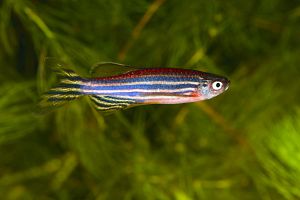 Our scientists have a deep and extensive knowledge of not only the regulatory aspects but also the design and conduct of aquatic ecotoxicology studies and programs.
Our comprehensive portfolio includes studies to assess the toxicity of test articles for a wide range of species, and all our aquatic ecotoxicology testing is fully supported by our integrated analytical services for the method validation and routine analysis.
Aquatic Ecotoxicology Studies
- Activated sludge respiration inhibition (OECD 209)
- Algal growth inhibition (freshwater and marine) (OECD 201)
- Acute and prolonged toxicity to Daphnia magna (OECD 202, OECD 211)
- Acute (96-hour) and prolonged toxicity to cold- and warm-water fish (e.g., rainbow trout, bluegill sunfish, carp, fathead minnow, and zebrafish) (OECD 203)
- Fish embryo toxicity test (FET test) (OECD 236)
- Fish, toxicity test on egg and sac-fry stage (OECD 212)
- Fish early life stage (OECD 210)
- Radiolabeled (or cold) bioaccumulation and/or metabolism in fish (OECD 305)
- Lemna sp. growth inhibition (OECD 221)
- Acute and prolonged sediment water toxicity test to Chironomus riparius (OECD 235, OECD 218, OECD 219)
- Sediment-water toxicity test with Lumbriculus (OECD 225)
Robust aquatic ecotoxicology data is a crucial part of successful registration. Any delays in the conduct of your study or program could cause you to miss your deadline and open the door for competitors to build market share. Our team is ready to support you and get you the data you need to submit a comprehensive dossier on time.
Reducing Risk in Agrochemical Development
Bringing novel solutions to market in the agrochemical industry is a high-risk journey filled with obstacles. Learn how to minimize risk.
Watch the Webinar
Frequently Asked Questions (FAQs) About Aquatic Ecotoxicology Testing
-
Why is aquatic ecotoxicology testing important?
Aquatic ecotoxicology testing ensures you are aware of the potential impact of a substance on aquatic organisms and ecosystems. Choosing a testing partner with proven experience in aquatic ecotoxicology can help you can make informed decisions for your business.
-
Which aquatic ecotoxicology studies are required to register an agrochemical product?
You may need a range of aquatic ecotoxicology studies in your program to assess the general adverse effects of your product (active substances and formulated products) on ecosystems, depending on the anticipated uses of your product and the type of active (e.g., herbicide or insecticide).
-
How should I assess the ecotoxicity of my pesticide?
You may need to perform a range of different studies. The exact program design will depend on several factors, including the class of active substance, the stability of the formulation, and the metabolites formed, amongst others.