
Terrestrial Ecotoxicology
Terrestrial ecotoxicology testing generates data, which is a fundamental requirement for registration submissions in a range of industries. We routinely perform specific regulatory ecotoxicology testing to determine the effects of agrochemicals on birds, bees, other non-target arthropods, soil organisms, and terrestrial plants. These tests can also apply to biocides, industrial chemicals, and veterinary/pharmaceutical products when there is a risk of environmental exposure.
Our comprehensive portfolio of terrestrial ecotoxicology studies includes:
- Avian acute oral, dietary, and reproduction in Japanese Quail or Bobwhite (OECD 205, OECD 206, OECD 223) (other avian species are available)
- Acute oral and contact toxicity to honeybees (OECD 213, OECD 214)
- Honeybee (Apis mellifera l.), chronic oral toxicity test (10-day feeding) (OECD 245)
- Acute contact and oral toxicity to bumblebees (OECD 246, OECD 247)
- Parasitic wasp (Aphidius rhopalosiphi) and predatory mite (Typhlodromus pyri) (basic and extended toxicity/reprotoxicity, including aged residues) (IOBC Guideline (2000))
- Collembolan reproduction in soil (Folsomia candida) (OECD 232)
- Soil Predatory Mite assay (Hypoaspis aculeifer) (OECD 226)
- Acute and reproduction toxicity to earthworms (OECD 207, OECD 222)
- Carbon and Nitrogen Transformation tests for soil microorganisms (OECD 216, OECD 217)
- Plants, seedling emergence and growth (OECD 208)
- Plants, vegetative vigor (OECD 227)
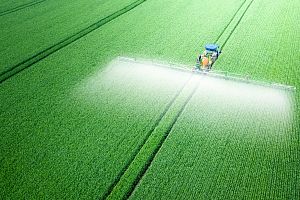
Reducing Risk in Agrochemical Development
Bringing novel solutions to market in the agrochemical industry is a high-risk journey filled with obstacles. Learn how to minimize risk. Watch the Webinar
We also provide a full analytical service for the method validation and routine analysis required in support of ecotoxicology studies (including for biopesticides, nanomaterials, inorganics, and other difficult materials).
Accurate terrestrial ecotoxicology data is crucial on your journey to registration. Missing your submission deadline could delay your time to market or give others more time to build market share. Work with a team that is ready to get the data you need to submit a comprehensive dossier on time.
Terrestrial and Avian Studies
-
Avian Toxicity
Avian toxicity studies are a standard requirement for plant protection products where wild birds may be exposed to the active substance or the product itself such as: drinking water, over-sprayed food items, residues in fish and earthworms (bioaccumulation), or by ingestion of coated seeds, granules, or slug-bait pellets. Other chemicals may also require assessments of avian toxicity, in particular biocides, with a risk of environmental exposure to wild birds.
The most common avian species used for this purpose are Bobwhite quail (Colinus virginianus), used mainly for USA EPA registrations, and Japanese quail (Coturnix japonica), used for EU and the rest of the world. Other avian species can be required for laboratory assessment of risks to wild birds, such as passerines (canary, zebra finch, etc.) or waterfowl (mallard duck) depending on the specific registration and the regulatory authority decisions for an application. Other avian testing requirements can include chickens, turkeys, or pigeons for specialist objectives.
Our quail facilities fully meet the EU requirements for housing of experimental avian species including extensive environmental enrichment to ensure animal health.
-
Bee Studies
Acute testing in honeybees and bumblebees is considered by regulatory authorities, such as EFSA and the USA EPA, to be fully acceptable for the identification of an intrinsic toxicity for test items as a key lower tier test which will be used in an overall assessment on pollinator effects.
Bumblebee Studies
Charles River has implemented bumblebee testing as part of our expanding portfolio, for both contact and oral exposure (OECD 246 and 247). Commonly, these tests are combined into a single GLP study, involving bumblebees from at least three different colonies for each study.Honeybee Studies
We also offer studies in adult worker honeybees with continual exposure to test items, to evaluate potential effects of prolonged exposures. Chemicals that raise a concern for pollinator toxicity will usually require further higher-tier testing, in field or semi-field studies. In addition, a variety of plant models, including Phacelia, are available for assessing which metabolites of a chemical can be translocated into pollen and nectar. We also offer GLP multi-site studies determining the magnitude of pesticide residues in honey. -
Non-Target Arthropods Other Than Bees
Another routine regulatory requirement is to identify products that may harm non-target invertebrates living on plants or in soil. The most common plant-dwelling invertebrates studied are Parasitic Wasp (Aphidius rhopalosiphi) and Predatory Mite (Typhlodromus pyri). Tests with these species are available in both basic and extended test form, with reproduction endpoints included. These tests are now supplemented with the aged-residue testing as a third-tier method.
-
Soil Organisms
Our scientists also have extensive experience in other soil assays, such as the earthworm (Eisenia fetida) acute and reproductive toxicity assays (OECD 207 and 222) and the Collembola (Folsomia candida) reproductivity assay (OECD 232), and the Soil Predatory Mite assay (Hypoaspis aculeifer) (OECD 226). The Carbon Transformation (OECD 217) and Nitrogen Transformation (OECD 216) tests for soil microorganisms are also available.
In addition to these long-standing assays, we’ve recently implemented the Soil Predatory Mite assay (Hypoaspis aculeifer) (OECD 226).
-
Terrestrial Plant Studies
During application to target plants, non-target plants or their seeds may be exposed by spray-drift or other accidental exposure. Regulators require testing on a range of non-target plants covering a range of taxonomic diverse species for seedling emergence (OECD 208) and/or vegetative vigor (OECD 227) or OCSPP 850.4100 for USA registrations.