
Experts in Environmental Fate Studies
Assessment of environmental fate is complex, with several tiers of testing that may be required. As eFate experts in the field, we can help you design and conduct an efficient program from our comprehensive selection of testing:
- Aerobic and anaerobic degradation in soils and sediment waters (OECD 307 & OECD 308)
- Aerobic mineralization in surface waters (OECD 309)
- Soil leaching (OECD 312)
- Ready biodegradation (OECD 301B/D/F + OECD 310)
- Inherent biodegradation (OECD 302B & OECD302C)
- Biodegradation simulation studies (OECD 303A + OECD 314B)
- Soil or sludge adsorption, desorption and mobility investigations (OECD 106)
- Hydrolytic stability and accelerated hydrolysis studies (OECD 111)
- Photolytic degradation – moist and dry soil surfaces, aqueous systems (OECD 316)
- Radiolabeled (or cold) bioaccumulation and/or metabolism in fish (OECD 305)
- Biodegradation of polymers and microplastics:

Re-examining DART Dose Level Selection for ECHA Submissions
View this webinar where we share our experiences conducting over 130 EOGRT studies and our ongoing discussions with ECHA
Watch the Webinar
EFate Study Conduct
Specially designed, environmentally controlled incubation rooms and incubators allow all environmental fate studies to be uniquely designed to accommodate the requirements of different test items. Our flexible laboratory spaces feature self-contained flow-through incubation systems to conduct both aerobic and anaerobic eFate studies and can accommodate different trapping systems, depending on study requirements. We source soils, sediments, and natural waters from around the world ensuring that we can meet the requirements of our clients.
Analytical Capabilities for Environmental Fate Studies
In radiolabeled eFate studies, we achieve quantitative and qualitative determination of parent test items and metabolites primarily using HPLC or TLC. HPLC analysis is carried out, with either online or offline radio detection including TopCount low-level counting.
We routinely perform confirmatory analysis and structure elucidation using state-of-the-art high-resolution LC-MS systems.
Accommodating Challenging Test Articles
Volatile Test Articles
Our flow through incubation systems can accommodate a number of different trapping systems, to trap volatile components. Sealed systems are available for investigations with volatile test items, as well as systems for collection and quantification of reduced radiolabeled volatile products.
Persistent Test Articles
For environmental fate studies where the test items appear persistent under standard laboratory conditions, we have the ability to run a number of modified studies.
- Modified OECD 308 –
- Introduction of a light/dark cycle, encouraging algal proliferation
- Study conducted outdoors, shows results of photolysis and biodegradation combined
- Modified OECD 309 –
- Introduction of a light/dark cycle, encouraging algal proliferation
- Introduction suspended sediment
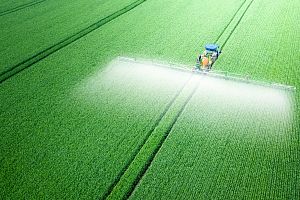
Reducing Risk in Agrochemical Development
Bringing novel solutions to market in the agrochemical industry is a high-risk journey filled with obstacles. Learn how to minimize risk.
Watch the Webinar
Your Environmental Fate Testing Partner
Our environmental fate studies team has the experience and equipment to manage the most challenging of test articles. Well-versed in evolving regulations, we can help you save time and money by determining which studies are necessary when, and advising on study designs that collect compliant data. Our study directors and scientific advisors can provide additional support for a standalone study or part of a bigger package. This can include scientific and/or regulatory support throughout the process, from design to report, and beyond.
Frequently Asked Questions (FAQs) About Environmental Fate Studies
-
What is environmental fate testing?
A program of regulatory environmental fate (eFate) studies is required for globally acceptable submissions for agrochemicals, biocides, chemicals (REACH regulations) and pharmaceutical risk assessments (human and veterinary). These studies are used to determine the fate and behavior of both the actives and their degradation products within commonly occurring environmental systems.
-
What are the current guidelines?
The guidelines you need to follow are dependent on the Regulatory Authority you wish to submit your registration to. For example, if you wish to submit within the EFSA jurisdiction, the data you require may differ from that required to register with the EPA. Our experts would be happy to advise you.