IDFP for Filamentous Fungi Identifications
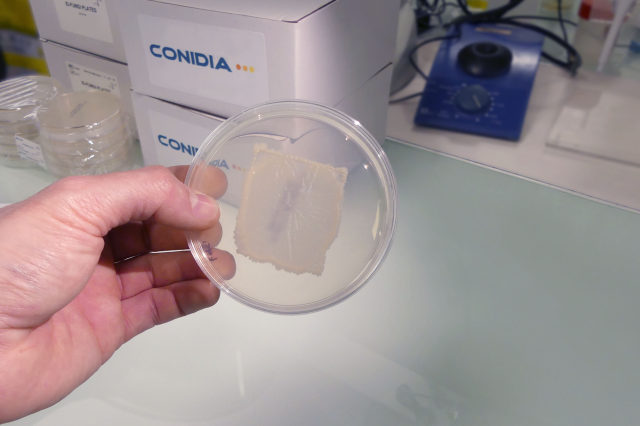
Detection and identification of fungal samples should be part of any pharmaceutical and personal care product manufacturer’s Contamination Control Strategy. Mold poses a risk to manufacturing, the final product, and the patient, and accurate identification results are critical for effective remediation. Conidia ID fungi plates (IDFP) have several advantages over traditional media for filamentous fungi sample preparations and fungal identifications.
Conidia ID Fungal Plate Technical Information
Learn how appropriate agar plates for fungi affect identification rates.
Download Now
Combined with our validated fungal databases for identification and optimized processes, we offer the complete solution for quality control laboratories in pharmaceutical, medical device, personal care, and other industries.
We have partnered with Conidia to allow our customers streamlined access to all necessary resources for fungal identification from one trusted vendor. Using Conidia agar plates for fungi, along with our robust sample preparation protocols, will yield the most accurate identification results.
-
IDFP SPECIFICATIONS
Product Description Product Code Conidia IDFP agar plates 20/pk AXC320
Still have questions or want more information?
Ask an Expert
Optimizing MALDI-TOF for Filamentous Fungi Identification
This webinar explains the challenges and solutions to adopting MALDI technology for identification of filamentous fungi with an emphasis on sample preparation and database development.
Watch the Webinar
Frequently Asked Questions (FAQs) About Agar Plates for Fungi
-
Why are Conidia agar plates for fungi recommended for sample submission?
The IDFP agar plates for fungi support sample processing by promoting faster fungal growth and preventing agar from being harvested with the fungal mycelia. This results in cleaner spectral generation and more efficient PCR, which leads to higher ID rates.
-
Why did Charles River partner with Conidia?
Over the last 26 years, Charles River’s Accugenix® laboratories have identified more microorganisms than any other company, which has allowed us to develop and refine validated, proprietary libraries and methods of interpretation that are unrivaled in the industry. Conidia was established in 2005 and is an independent specialist of yeasts and moulds.
Their aim is to provide dedicated solutions for microbiology focusing on innovative R&D protocols. Over the last 15 years Conidia has developed methods to ease detection and identification of microbiological structures in all types of environments: raw materials, final products, air, crops etc. Charles River is now a global distributor of Conidia IDFP for pharmaceutical and consumer care industries. -
How are fungi subcultured?
There are various ways to subculture fungi depending on the morphological type. Please reference our Sample Submission page to see sample preparation instructions.
-
Where can I find more resources and information about Conidia IDFP?
- Data Sheet: Conidia IDFP Safety
- Scientific Poster: Evaluation and Optimization of MALDI-TOF Mass Spectrometry for Identification of Filamentous Fungi for Environmental Monitoring
- Technical Sheet: Subculturing with Conidia (IDFP) for Fungal Microbial Identification
Identification of Molds Using MALDI-TOF (MSD/Merck Case Study)
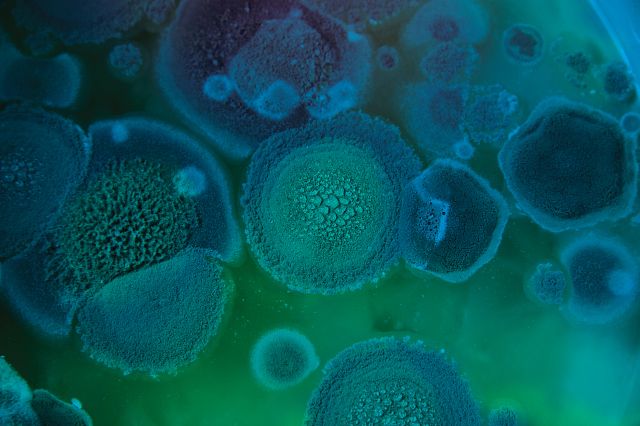
Discover how MALDI-TOF technology enables rapid, accurate identification of molds for contamination control and compliance. Learn from MSD why this method is transforming microbial ID in regulated environments.
Watch the Webinar