
About This Video
Cortical atrophy plays a key role in the pathophysiology of many neuropsychiatric diseases including depression, post-traumatic stress disorder, and substance use disorder. This webcast highlighted the innovative work inspired by the medicinal potential of psychedelic substances.
During this webcast, the speakers shared their recent discovery about psychedelics—namely that LSD, DMT, and ibogaine, are potent “psychoplastogens”, which are small molecules capable of rapidly promoting structural and functional neural plasticity in key circuits with therapeutic effects. While psychedelics have demonstrated therapeutic potential across several indications, their hallucinogenic effects drastically limit their clinical scalability.
To solve this problem, the team described how they engineered non-hallucinogenic psychoplastogens capable of producing sustained therapeutic behavioral effects after a single administration. Psychedelics and non-hallucinogenic psychoplastogens serve as key chemical tools in studies to understand the fundamental biochemical mechanisms that give rise to neural plasticity, in addition to developing safer and more effective neurotherapeutics.
Presenters
David E. Olsen, PhD
Associate Professor, UC Davis;
Co-founder and Chief Innovation Officer,
Delix Therapeutics

Retsina Meyer, PhD
Head of Corporate Strategy,
Delix Therapeutics

Chief Scientific Officer,
Delix Therapeutics
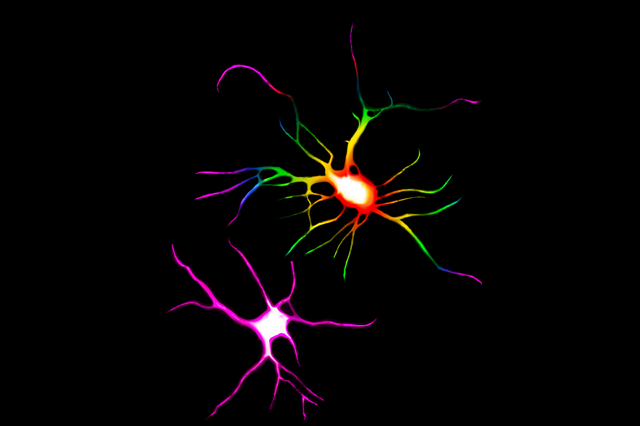
Photo Credit: Calvin Ly, Graduate Student in the Olson Lab, University of California, Davis.