Discovery
|
Regina Kelder
Adventures in FAB Protein Purification
A faster single-step platform for expressing antibody fragments is helping to speed up development of antibody therapeutics
Since the commercialization of the anti-rejection drug Muromonab-CD3 in 1986, the class of biopharmaceuticals known as monoclonal antibodies has mushroomed dramatically. Today there are more than 150 of these products either approved or under regulatory review in the US or EU for the treatment of cancer and other diseases.
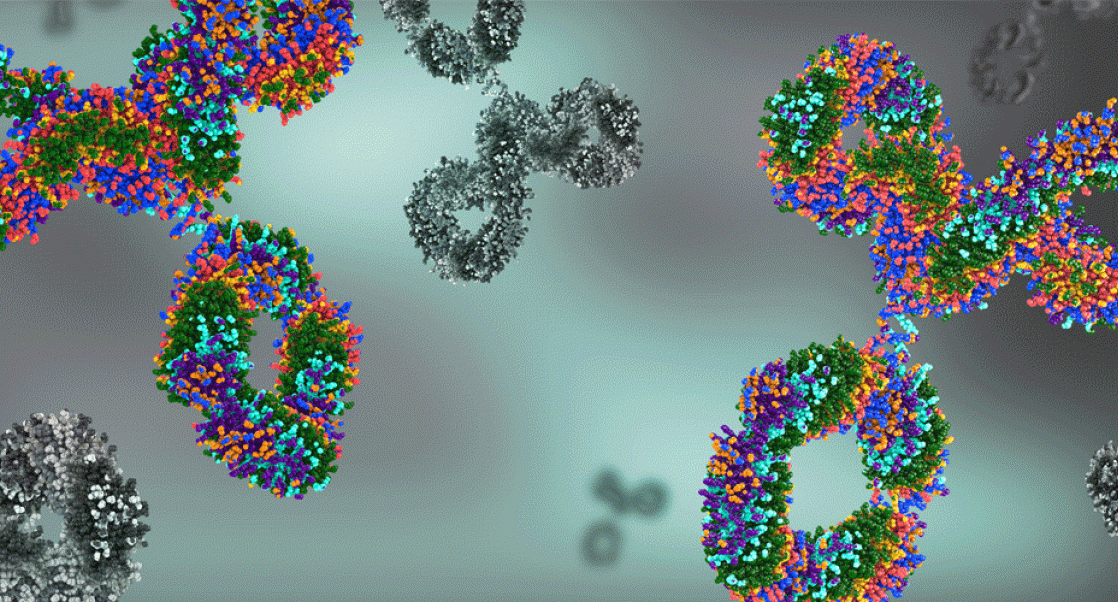
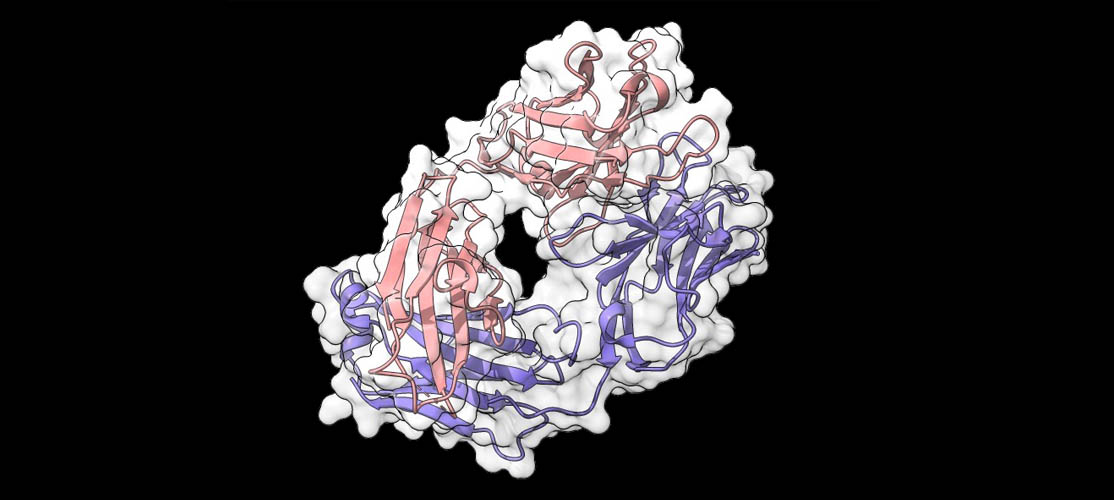
By and large, most monoclonal antibodies (mAbs) are based on leveraging the full length of these Y-shaped proteins. But what if you wanted to design a drug that used just a portion of the antibody? In fact, there are some innovative drugs on the market that include just the arm or antibody binding region that latches on to a target and destroys it. These antibody-based fragments or Fabs (shown above in image) can either bind to a single antigen, or in the case of bi-specific antibodies bind to two different antigens simultaneously, and the innovations don’t end there. There is also a whole new generation of antibodies in development that bind to three or more target molecules.
While it might make sense to use the whole antibody when fighting disease, there are actually several advantages to using a Fab vs. a full-length, says Katherine Carr, Senior Scientist and crystallography expert with Charles River Laboratories’ Early Discovery group in Cambridge, UK. “Fabs are smaller so they get to places inside a cell or tissue that a full-length antibody cannot. They also break down quicker in vivo and can be used to obtain crystal structures to elucidate the details of how the antibody binds to its antigen.”
But one significant challenge with Fabs is the purification process. Because you are only using a portion of the antibody you first have to express the entire antibody, and then digest it with an enzyme and purify out the Fab portion. Traditionally, labs have used a long digest (incubating overnight with an enzyme) and many liquid chromatography steps to purify their Fabs, taking several days.
The ideal solution is to express the Fab alone and use a resin that is completely specific to the target protein, enabling a one-step purification. This, in fact, is what the structural biology team are doing. Rachel Pooley from the Large Molecules group re-cloned the antibody to express just the Fab portion. To then purify the Fab we used a new innovative resin developed by Purolite, a Pennsylvania manufacturer of separation, extraction and purification technology. This resin is completely specific to the target protein enabling a single step purification process.
Last year, the Structural Biology and Large Molecules groups performed an internal study, and engineered Fabs based on the monoclonal antibody Herceptin, a 25-year-old cancer drug with significant research behind it. After spending many months trying to create the Fab using the more conventional method of digesting the full antibody, and ending up with low protein yields and high endotoxin levels, we switched to the Purolite platform and expressed and captured the Fab in a single step with an impressive 97.5% purification rate. “I was very happy with the results,” says Carr. “I had been trying to chop [the Fab] from the full antibody for months. Not only was the yield low, the purity was going down,” she said. “With this more modern method it took me only a week to express the Fab and a week to purify it.”
Additionally, the new resin can be regenerated very quickly with mild buffer conditions, making it ready within minutes for the next Fab purification, in this way we can purify multiple Fab proteins one after the other. This saves significant time which also keeps our endotoxin levels low, which is critical in antibody therapeutics.
We have now implemented this work stream allowing the team to get high purity single step purification, low endotoxin levels and rapid multiple purifications using the Purolite resin, which is, pardon the pun, just Fab.
Image courtesy of Charles River Discovery
Discovery Services
Now, more than ever, the research community is faced with an evolving landscape paved with new challenges. We know your work must continue for the patients who are waiting on new therapies. Our Discovery team is prepared and equipped to support you through these challenging times and keep your research moving forward.