

Cell & Gene Therapy
|
Anne Lodge, PhD
Immunology for Non-Immunologists: MHC and HLA Explained
This blog series, Immunology for Non-Immunologists, will focus on key concepts to help scientists and researchers without extensive immunology backgrounds understand the functions and use cases for Charles River Laboratories' immune cell products.
Our Immunology for Non-Immunologists post described how T cells recognize peptides bound to MHC molecules, and how changes to the peptide or MHC can affect T cell activation. This post explains the role of MHC in the antigen recognition process and how you need to account for MHC in your experiments.

Human Immune and Stem Cells Product Catalog
Charles River is a trusted provider of research-use and GMP-compliant human immune cells and stem cells for advanced therapies and basic research. Our portfolio also includes disease state biospecimens for disease-focused research.
Download Catalog
MHC, HLA & the Impact on Your Research
Major histocompatibility complex (MHC) molecules are a set of proteins on the cell surface that are responsible for antigen presentation to T cells, making them a major component of how the immune system recognizes foreign substances.
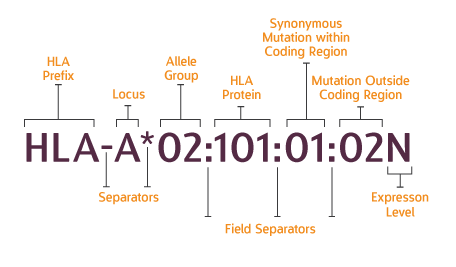
MHC is known by different names in different species. You may have heard of H-2 in mice or Human Leukocyte Antigens (HLA) in humans. For more on HLA typing, read our post on decoding the HLA system.
When HLA Type Matters
If you need to activate one of our antigen-specific T cells, the antigen-presenting cells you use must express the correct HLA allele for the experiment to work.
As a concrete example, take our CMV-specific T cells.
One CMV-specific T cell line recognizes peptide NLVPMVATV presented by HLA-A*0201. Any antigen-presenting cells used in an experiment must also express HLA-A*0201 to activate the CMV-specific T cells.
Another of our CMV-specific T cell lines recognizes peptide IPSINVHHY presented by HLA-B35. Your experiments must use antigen-presenting cells that also express HLA-B35.
Your experiments will still work if the antigen-presenting cells also express other HLA alleles in addition to the required allele. The only requirement is for the antigen-presenting cell to express the same HLA allele expressed in the antigen-specific T cell. If others are expressed, the antigen-specific T cell will simply ignore them.
When HLA Type Doesn’t Matter
If you’re following our recall antigen testing assay, you do not need to take HLA type into consideration. We designed this particular assay to work with cells from all donors.
The assay utilizes PBMC which contain antigen-presenting cell types as well as T cells. The antigen-presenting cells in the PBMC will process the tetanus toxoid or CMV antigens and present that antigen to the T cells in the culture.
Other Considerations for HLA
If you want to culture T cells with another cell type and don’t want to activate the T cells, your cell of choice must match all of the HLA alleles expressed by the T cells. If the HLA alleles do not match, you will trigger a Mixed Lymphocyte Reaction (MLR), which is the in vitro version of transplant rejection.
When T cells encounter HLA molecules that don’t match their own, they treat them as foreign antigens and trigger a strong immune response. To avoid an MLR, don’t mix T cells with cells from an unrelated donor with a different set of HLA alleles.
Browse Antigen-specific T Cells
If you have questions about using our products in your lab, just ask one of our scientists. No question is too big or too small; we’re here to help.