Microbial Solutions
|
Sahil Parikh
Rapid Microbial Methods for Contract Testing —It’s Not Just About the Speed
It’s time for contract testing laboratories to break from tradition and adopt rapid microbiology methods
Contract testing laboratories occupy a crucial space among several industries spanning pharma to cosmetics and now, cell and gene therapies. At any given time, contract labs act as a critical support partner, essential intermediary, or even replacement for entire QC departments for many organizations. Yet as crucial as they are to product development and manufacturing cycles, many are still largely reliant on traditional quality control testing methods. These traditional methods, while considered reliable, have posed notable challenges.
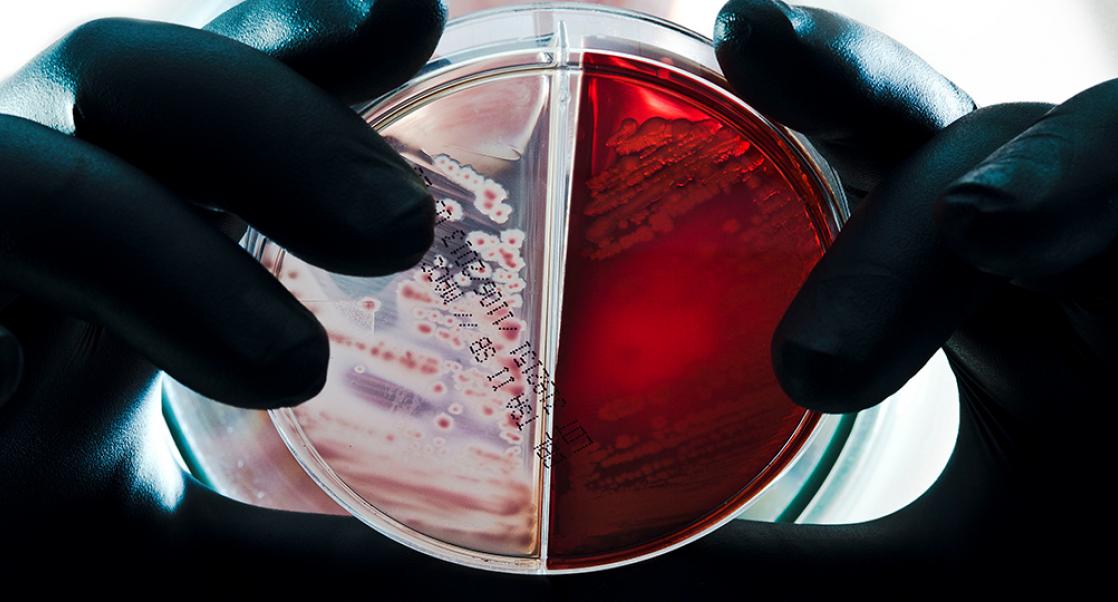
One of the main issues with these testing methodologies is the considerable time they take to produce results. In bioburden or microbial limits and sterility testing, the period spans from 3 to 14 days. This delay can disrupt the production process and delay a product's arrival to market. Increased incubation requirements and heightened product hold times also raise the risk levels. The longer the incubation period, the greater the repercussions of a failed batch - a potential nightmare for clients.
Complications don't stop at time consumption. Traditional testing methods bring a burden of variability and inaccuracies. This reliance on manual interpretation could lead to erroneous results, jeopardizing product safety and compromising your standing with the client. In this setting, the laboratory is burdened with additional pressure—a high demand for expert personnel and a hidden cost on resources. The prevailing misconception is that rapid methods are complex compared to traditional ones. That's not the case with Celsis.
Traditional methods can also eat up space. With longer incubation periods, the backlog of customer samples demanding multiple tests like endotoxin and sterility can create an overflow in your lab. Traditional methods require a considerable amount of laboratory space, causing potential overcrowding and delays. Increasing your lab’s throughput without expanding your facilities or investing in more incubators might seem an insurmountable challenge.
Perhaps the most pressing concern is the possibility of undetected contaminants, which can result in product recalls and patient safety risks. A single false negative can harm both your client's reputation and your own.
Despite these challenges, rapid microbiological methods, when utilized as a service offering, create a promising solution. Let's explore how.
The rapid microbiological methods like ATP bioluminescence significantly curtails the time to obtain results, increasing your lab's throughput and efficiency. The reward? More processed samples in less time, leading to improved customer satisfaction and increased client volume. The result: an upsurge in revenue and profitability.

Rapid Microbial Methods for Contract Testing Laboratories
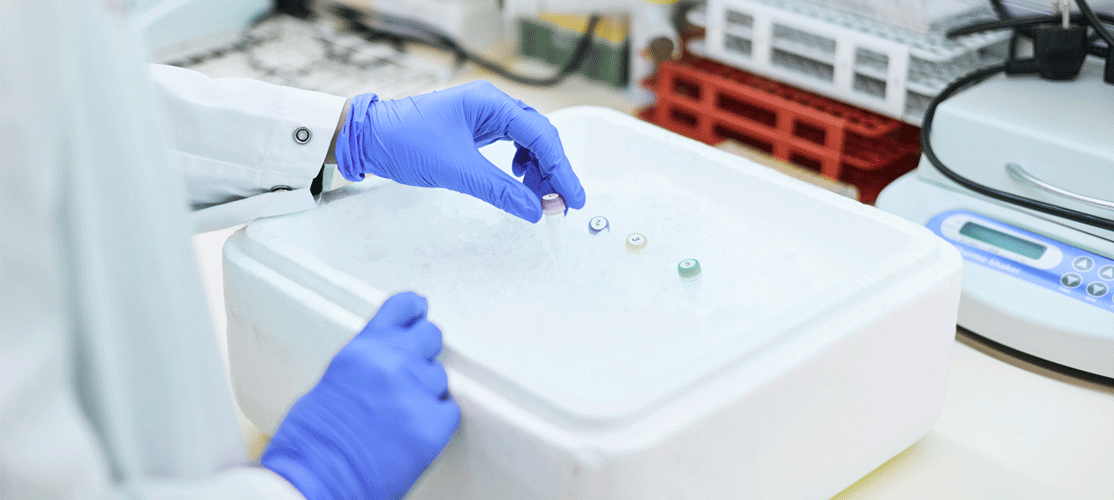
Modernize your lab with an advanced, ultra-fast automated solution that detects microbiological contamination in just 7 days for rapid sterility, and less than 2 days for microbial limits.
The adoption of rapid sterility test methods are not just an operational change; it's a strategic business project. By offering them, your lab will stand apart from those still reliant on traditional methods, adding an attractive feature to win new clients and retain the existing ones.
Moreover, rapid methods offer a higher degree of accuracy and reliability. The risk of false positives and negatives is significantly reduced, leading to higher client retention and a lower risk of expensive product recalls.
Flexibility is another key factor. The versatile applications of technologies using ATP bioluminescence range from sterility testing and bioburden applications for a wide variety of products, including cell and gene therapies, addressing specific client needs and providing a comprehensive range of services.
With rapid sterility testing, contract testing laboratories stand to gain in efficiency, competitive differentiation, improved accuracy, cost-effectiveness, and increased flexibility. These combined benefits lead to increased revenue and profitability, making the adoption of Celsis a compelling business case for contract testing laboratories.
Rapid methods like Celsis ATP bioluminescence is becoming a popular choice among pharmaceutical manufacturers and contract testing labs alike. It offers a user-friendly approach that handles various sample types and testing methods without sacrificing accuracy. By providing a practical and adaptable solution to common pain points, rapid methods can positively influence the way contract testing labs operate, enhancing the quality and efficiency of their services.