
Featured News
Accelerating Sterility Testing for Turbid Products
Discover how Celsis® ATP-bioluminescence is a viable solution for advanced drug delivery systems
Advanced Drug Delivery Systems (ADDS) are transforming pharmaceutical manufacturing by enhancing drug efficacy, targeting, and patient compliance. By encapsulating drugs within advanced matrices like liposomes, polymeric nanoparticles, and drug-eluting stents, ADDS minimize side effects, reduce dosing frequency, and improve therapeutic outcomes.
This innovative development opens new doors in treating diseases, offering more effective and convenient treatment options for patients. However, the unique characteristics that make these complex formulations advantageous can also pose challenges for traditional microbial detection methods; in fact, the presence of nanomaterials, high viscosity, and interactions with microorganisms in delivery systems can complicate their sterility testing.
Membrane filtration can be impeded by formulation viscosity or particulates. These formulations further impact media with the direct inoculation method, causing it to appear cloudy and requiring a time-consuming subculture for result confirmation. These limitations underscore the necessity for alternative testing approaches that can navigate the intricacies of ADDS.
Adapting to Advances in Drug Delivery Systems
A rapid and more robust approach to detecting microbial contamination in pharmaceutical products is possible by using Celsis® ATP-bioluminescence. This method harnesses the natural light-producing reaction of the firefly luciferase enzyme with ATP, which is present in all living cells, and offers the quick and accurate detection of viable microorganisms, especially in sterility testing of advanced drug delivery systems.
By adapting sample preparation techniques such as dilution or filtration, ATP-bioluminescence can be optimized to address unique formulation challenges. This automated detection method overcomes product-caused media turbidity to deliver objective results. The rapid turnaround time provides a significant advantage over traditional methods, delivering results within seven days, compared to the usual 14 days or more. This accelerated timeline facilitates faster decision-making and improved efficiency in pharmaceutical manufacturing.
A prominent global pharmaceutical company encountered a major hurdle in their sterility testing process for a naturally turbid product. Their intermediate sterility test, which required the full 14-day incubation with an additional seven-day subculture assessment, resulted in a lengthy 21-day testing duration. This extended timeline significantly influenced the company's production efficiency, expenses, and time it took to reach the market.
By partnering with us to gather method equivalency data, the company conducted a comprehensive technology evaluation to assess their portfolio and identify the most suitable rapid microbial detection method. After careful consideration of various factors, including the method’s ability to test both aqueous and solid products, its acceptance for the specific application, and its potential for broader use in development and commercial labs, the company selected the Celsis® ATP-bioluminescence platform as their rapid sterility testing solution.
As pharmaceutical manufacturers continue to make advances in drug delivery systems, the need for advanced sterility testing solutions is more pressing than ever. With its rapid turnaround time, robustness, and adaptability, ATP-bioluminescence offers a compelling solution for companies looking to optimize their testing workflows and ensure the highest standards of product safety and quality.
By embracing ATP-bioluminescence and investing in its implementation, the pharmaceutical industry not only ensures the safety and quality of advanced drug delivery systems, but also accelerates product development timelines and improves overall efficiency.
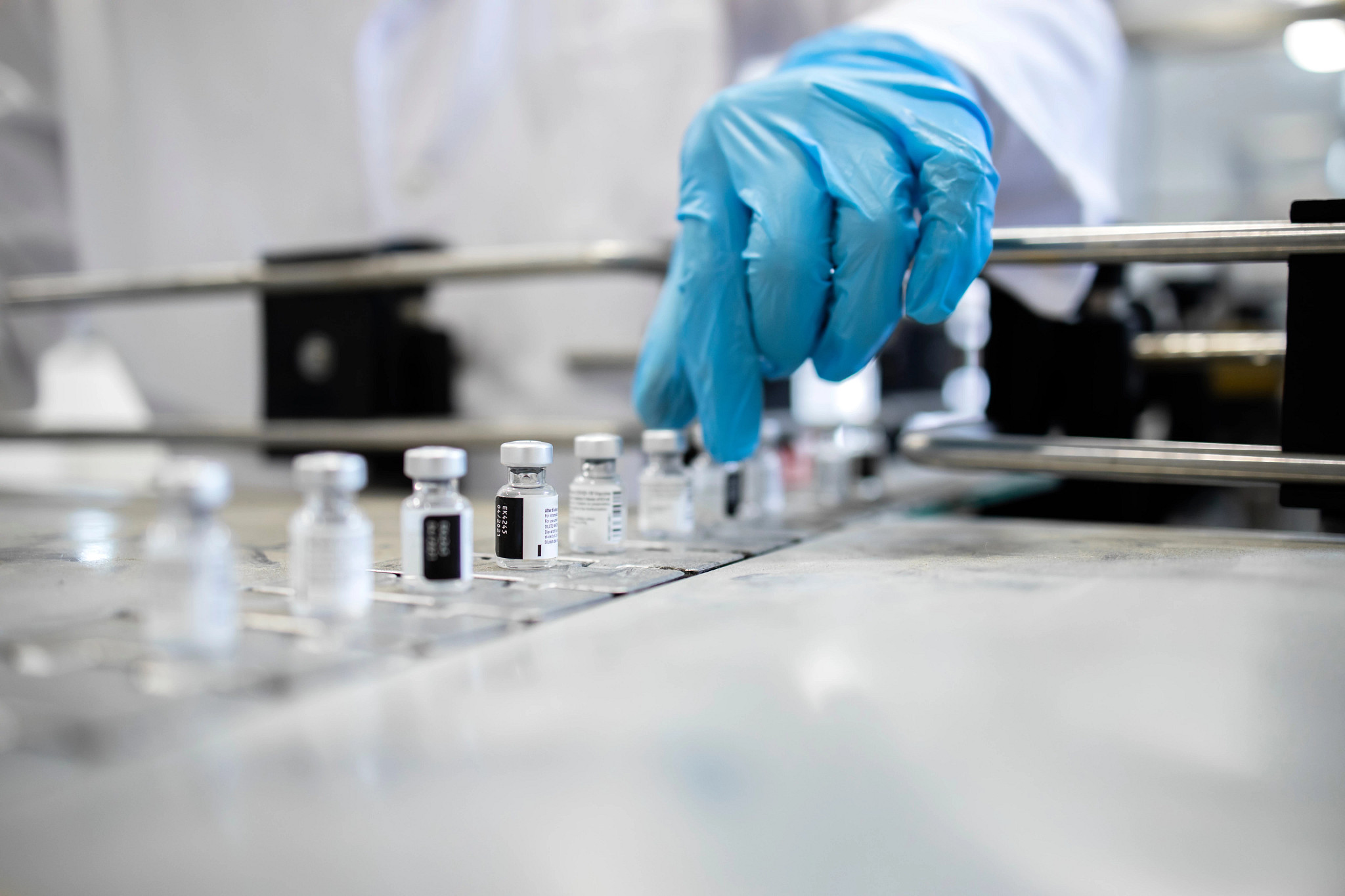
Dealing with Innovative Formulations that Cloud Sterility Testing?
Learn how updated sterility testing methods and drug delivery technologies address the unique challenges posed by modern pharmaceuticals, particularly those with complex compositions or inherent turbidity.
Discover the approach

The Micro Keeps You in The Know
You don't need an agar plate to grow your microbial knowledge. Get industry updates, articles and other resources delivered straight to your inbox each month.
Subscribe