
Automated Microbial Detection Systems
Celsis® rapid microbial detection systems are advanced adenosine triphosphate (ATP) monitoring instruments that provide a laboratory automation solution for detecting the presence or absence of microbiological contamination. Providing powerful capabilities in one of the industries' leading throughput-to-size ratio, Celsis rapid detection systems redefine expectations on what a rapid microbial method can deliver.

Explore the Celsis® Rapid Microbial Detection Brochure
Gain insight into Celsis® technologies, platform capabilities, implementation considerations, validation support, and microbial detection applications across a range of product types.
Access the Brochure
Rapid Microbial Detection Systems for Laboratory Automation
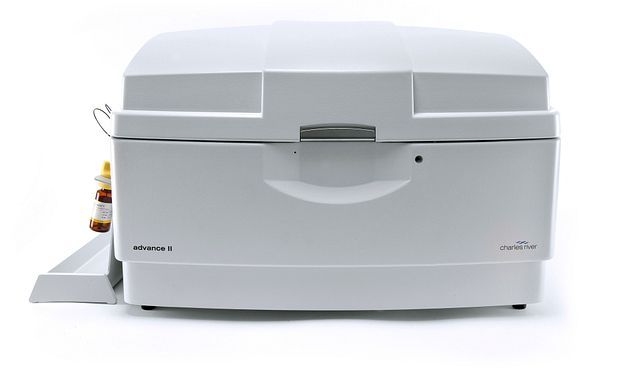
Celsis Advance II™ system delivers definitive rapid microbial testing results quickly for high throughput manufacturing and large volume testing. Capable of running 120 assays per hour, this system is ideally suited to handle the daily workloads and varying sample types encountered by QC labs.
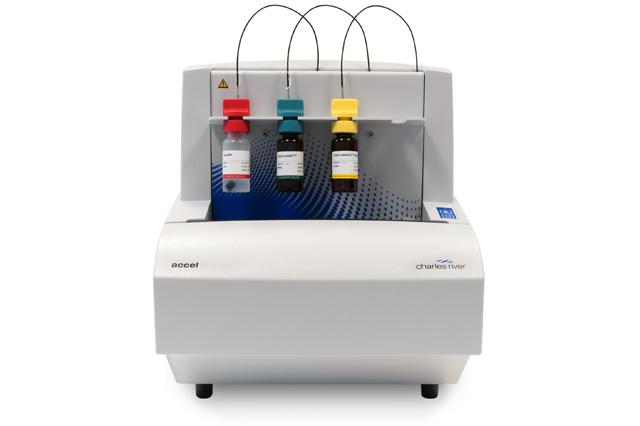
Celsis Accel® system is specifically tailored for small and mid-sized pharmaceutical, home, and beauty product manufacturing facilities with lower production and testing demands. Operating with a throughput of 30 assays per hour, it provides the robustness and user-friendly experience of the widely adopted Celsis Advance II platform, delivering exceptional performance in a compact package.
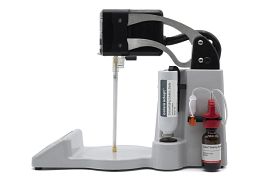
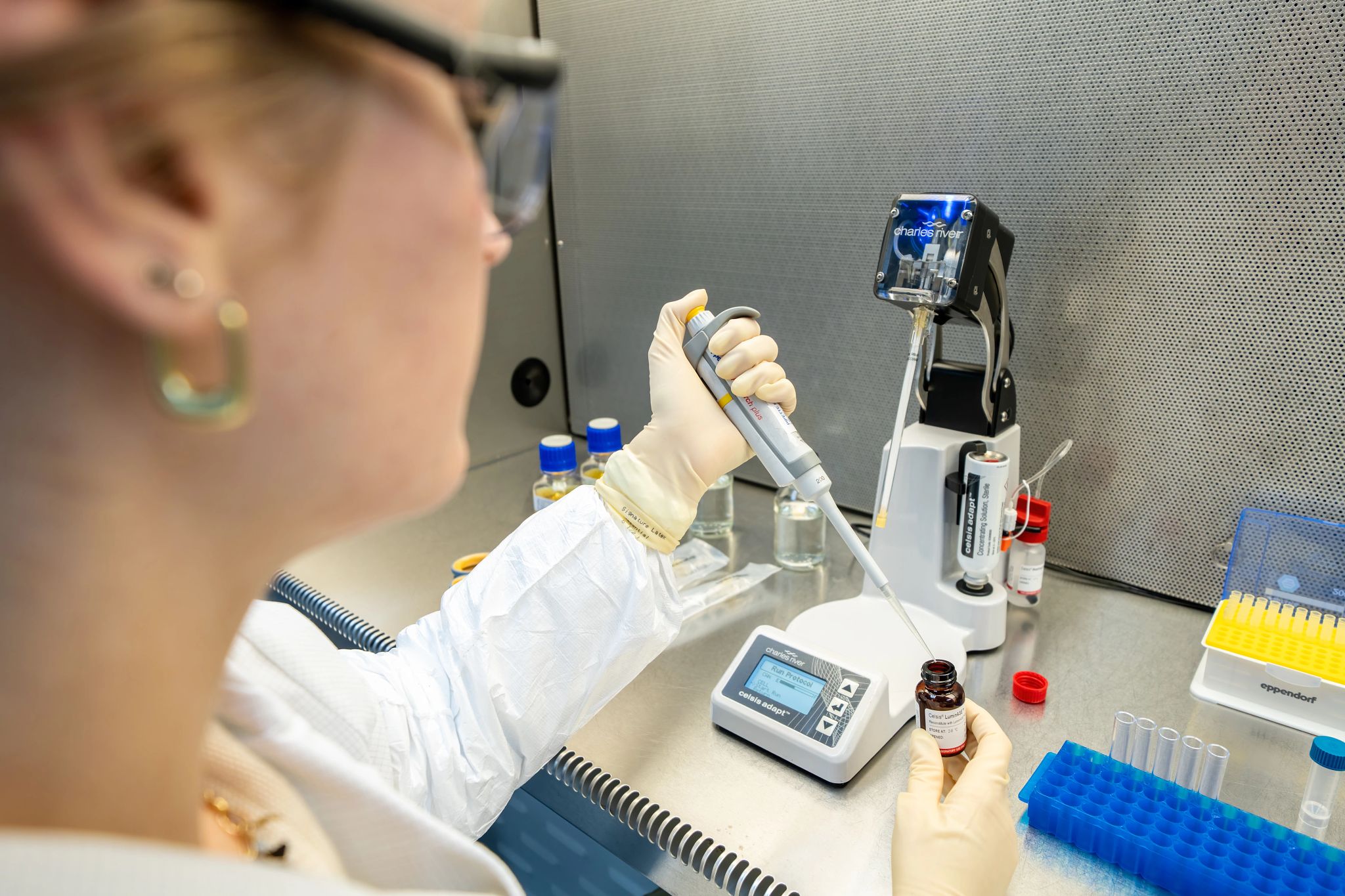
Celsis Adapt™ is an accessory instrument for Celsis rapid microbial detection systems that prepares and concentrates samples containing components that interfere with the background and ATP-bioluminescence detection signal, expanding the application portfolio for Celsis ATP luminometers.
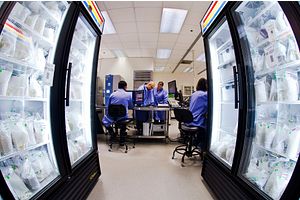
What is it Like to Use a Celsis® Instrument?
Learn how to perform Celsis ATP-bioluminescence assays on the Celsis Advance II instrument in this comprehensive virtual demonstration.
See Celsis In Action
Benefits of Automated Microbial Detection Systems
The benefits of having a platform of instruments and luminometers to modernize your QC testing are unparalleled:
- Reduces the risk of subjective readings and human error in data reporting
- Reduces lab waste, water usage, and energy consumption
- Earlier notice of contamination events and faster recovery time
- Remote and on-site system support from a trusted vendor
Celsis rapid microbial detection systems preserve current, validated, and standardized test preparation protocols while also automating the injection, timing, and analysis of samples once loaded into the system. This automation allows lab staff to perform other beneficial activities while the instrument handles the remainder of the assay and reporting the results.
Data integrity is a constant concern for laboratories, with increasing scrutiny and pressure by regulators to adopt better and more secure methods for handling data. Traditional test methods, which are prone to subjectivity in the interpretation of results, such as visual turbidity checks during sterility testing, or colony enumeration in plate count based bioburden tests, are at the forefront of regulatory questions. Since this is an enzyme-catalyzed reaction that only occurs in the presence of microbial ATP, there is no subjectivity in the positive or negative interpretation of the result.
Validate Sterility in Cell Therapies
Discover how ATP-bioluminescence helps overcome validation challenges in cell-based products. Insights from Labors LS and Charles River.
Access the Expert Article
Frequently Asked Questions (FAQs) About Laboratory Automation
-
What is laboratory automation in quality control?
Laboratory automation involves the usage of instruments, robotics, or software to control repetitive, standardized, or error-prone tasks. Since quality control testing involves operation under strictly controlled protocols, deviation from these protocols, whether accidental or intentional, poses an impact to the integrity of quality control test data and, ultimately, the decisions made based on that data.
Rapid microbial detection systems such as Celsis utilize automated processes to ensure the benefits of fast microbial detection results are combined with the benefits of laboratory automation.
-
How do Celsis instruments automate rapid microbial detection?
Celsis rapid microbial detection systems provide automated analysis of samples, handling the timed injection of ATP-bioluminescence reagents, measuring the reaction results, displaying results, and exporting of data.
-
What is the benefit of using Celsis laboratory automation systems?
The automated nature of the reagent handling and analysis used by Celsis rapid microbial detection systems means that additional human input is not necessary. Other rapid microbiology equipment suppliers require a laboratory technician to perform additional steps such as staining, incubating, or even visual analysis of results. Celsis automated microbial detection systems control the entire analysis once loaded into the instrument. The results are provided within one hour after loading, and do not require further analysis or confirmation by laboratory staff.
Lab automation greatly reduces the chance of human caused errors in the analysis, eliminates data integrity concerns over results interpretation, and maintains a high throughput environment in the laboratory by reducing additional work.
-
What is an ATP luminometer?
An ATP luminometer measures the amount of bioluminescent light generated and provides a presence/absence reading of microbial contamination in the sample. The Celsis Advance II ATP luminometer automatically records objective results in 21 CFR part 11 compliant software, reducing the human risk associated with subjective traditional methods.
-
How do ATP luminometers work?
ATP luminometers work by measuring the presence/absence of the ATP molecules within the sample. This reaction occurs when the luciferase enzyme converts luciferin into oxyluciferin to produce light in the presence of ATP. Only when ATP is present will this reaction occur. Results are recorded and provided in Relative Light Units (RLU). Celsis AMPiScreen® reagents contain an amplified-ATP assay, which is not constrained by the limited amount of metabolic ATP in the organism. It produces additional ATP to optimize the detection of present microorganisms.
-
What’s the difference between an ATP luminometer and an ATP analyzer?
ATP luminometers measure the light emitted from samples using a robust reagent-based assay and are typically compatible with a wide variety of sample types and preparation procedures. ATP analyzers are typically smaller, kit-based instruments which detect ATP in a specific sampling vehicle, such as a swab. They primarily work only with a very limited range of applications that are compatible with the sampling consumable.
