
Featured News
A More Predictive In Vitro Hepatocyte System for Toxicity and DDI Studies
Long-term, functionally stable human hepatocytes for improved DILI risk assessment and DDI prediction
Drug-induced liver injury (DILI) is one of the most common forms of drug-related toxicity and, as such, represents a major concern for drug developers. Early detection of hepatotoxic effects can allow drug developers to de-risk their program and avoid downstream complications. This benefit could be even more pronounced for identifying mechanisms potentially responsible for later-onset idiosyncratic hepatotoxicity, which accounts for most DILI-related market withdrawals.
While preclinical models remain indispensable in drug development, translating findings across species can be difficult and lead to misinterpretations. However, using the right in vitro tools can improve translatability and align with industry-wide efforts to reduce or replace animal use.
The most common in vitro approach for DILI assessment is using primary human hepatocytes (PHH), but their rapid dedifferentiation and loss of functions in culture limit the reliability and interpretation of results. To overcome this instability, several more complex in vitro systems have been proposed such as liver spheroid and organoid cultures, co-culturing hepatocytes with non-parenchymal cells and/or liver-sinusoidal endothelial cells, stem cell-derived (hiPSC) models, organ-on-chip, or their combinations.
While these indeed represent more in vivo-like systems, due to their complexity, most of them are time- and labor-consuming, methodologically complex, and demand expensive apparatus, posing a limitation for their widespread use. Another possibility, therefore, for obtaining a better in vitro assay is to improve the gold-standard 2D PHH model so that the hepatocytes sustain their functionally differentiated state for a prolonged period. To preserve hepatocyte-like cells, one possibility is to use the so-called 5C molecular cocktail, where the components (SB431542, forskolin, DAPT, IWT2, LN193189) inhibit epithelial-mesenchymal transition (EMT).
Currently, the potential incubation time of the most routinely used primary human hepatocytes (PHH) is only 4-24 hours, which is extendable only to 5-7 days with sandwich-culturing. However, their functional activity is declining. Certain modifications of culture protocols or adding small molecules to efficiently inhibit the dedifferentiation processes could improve this time significantly – in some cases, as much as 3-6 weeks. The use of long-culture hepatocyte models can improve in vitro to in vivo extrapolation (IVIVE), as the hepatotoxic effects and the toxicodynamic responses can be characterized both as a function of time and dose.
In their recent publication in Nature Scientific Reports, our ADME experts characterized an SPHH-based system treated with the 5C molecular cocktail to inhibit dedifferentiation processes. In this SPHH-5C system, expression and function of the major CYP450 isoforms (including CYP2C8, CYP2C9, CYP2B6, CYP3A4, CYP1A2, CYP2D6, and CYP2C19) and hepatic transporters (MDR1, MDR3, MRP2, BSEP, BCRP, NTCP, OCT1, and OATP1B1) were maintained for up to three weeks, with the sole exception being OAT2. Bile canaliculi could also be observed on day 21 and based on their efflux capacity toward fluorescent transporter substrates, their function was also sustained. The team further improved the assay system by using a novel substrate mix in uptake clearance measurements, reducing the number of hepatocytes required and making it suitable for high-throughput studies.
This SPHH-5C system thus represents an improved in vitro hepatic model, enabling the conduct of toxicity and DDI experiments for at least two weeks, suitable for long-term DDI, chronic, and/or repeated dosing toxicology studies. Furthermore, in a preliminary experiment, hepatocytes were successfully maintained for four weeks, suggesting the possibility of further extending culture time.
Stop guessing at hepatic clearance—measure what actually drives it. Use human‑relevant in vitro hepatic uptake assays to de‑risk compound progression and make confident DMPK decisions earlier.
Discover our Capabilities
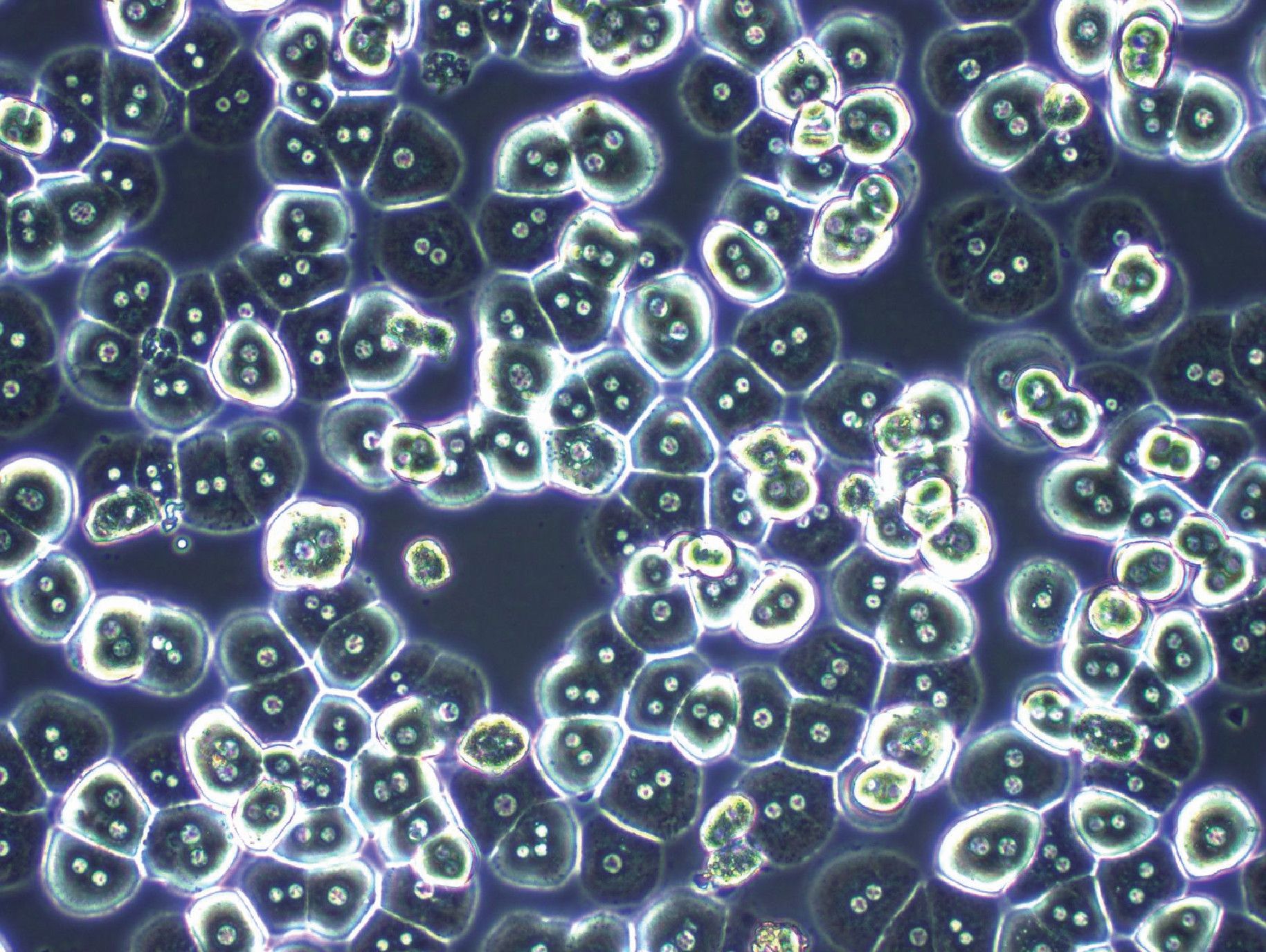
Join us for a discussion on the importance of long-term incubation systems in hepatotoxicity and DILI assessment, key strengths and limitations of commonly used in vitro human liver models, how long-term data using scalable 2D systems can support extended incubation without added complexity, and practical considerations for choosing between 2D or 3D models based on study goals.
Register for the Webinar