Anti-infectives In Vitro Testing
Charles River can quantify the effect of your antiviral and antimicrobial test compounds on the growth and infectivity of a wide range of bacteria and viruses using standardized assays. We work with many bacterial pathogens to help you to calculate the minimum inhibitory concentration (MIC), minimum bactericidal concentration (MBC), and time-kill values for your antibiotics, resistance modifiers, and virulence modulators. We offer cell-based assays, including internalization and killing and biofilms.
Our in vitro team can provide support for your in vivo efficacy studies to enumerate bacterial load in tissues following treatment. Our virologists are experienced with every stage of antiviral and vaccine development, including propagating viruses, determining viral titres, and testing the efficacy of your antivirals. We use cell culture viability assays and plaque assays to test lead compounds as part of in vitro viral screening programs or in support of in vivo models.
Novel In Vitro Strategies to De-Risk Small Molecule Candidate Selection
In this webinar, explore how novel technologies are elevating de-risking during drug discovery, and how and when to apply these approaches to your pipeline.
Watch Now
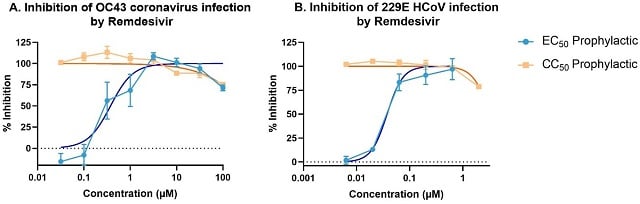
FEATURED SCREENExpedited In Vitro Antiviral ScreenExpedited in vitro assays can be used to screen novel and existing anti-viral therapies which are targeted against coronavirus and other viral strains that can be handled at a BSL2 safety level. The effective concentration of compound resulting in 50% reduction in viral infectivity on cells (EC50) can be assessed following determination of 50% cytoxicity concentration (CC50). Potential efficacy can be determined for many viral strains, including the HCoV-229E Alphacoronavirus and the HCoV-OC43 coronavirus strain, a BSL2 Betacoronavirus. These strains provide a useful screening tool for novel viral therapies directed at the COVID-19 strain which is a Betacoronavirus (BSL3, pandemic strain).
|
Antimicrobial in vitro bacterial assays include:
- MIC assays (minimum inhibitory concentration)
- MBC assays (minimum bactericidal concentration)
- Time-kill assays
- In vitro pharmacokinetic and pharmacodynamics assays
- Resistance testing
- Cell-based assays (internalization and killing and biofilm assays)
- Immune modulation assays (ELISA, Luminex, and FACS)
Antiviral in vitro assays include:
- COVID-19 protease inhibition assay
- TCID50 assay
- EC50 /CC50 assay
- Plaque assays
- HAI assays (hemagglutination inhibition)
- ELISA/Luminex
Artificial Body Fluids
To better mimic infection in humans, enhanced antimicrobial testing is available using artificial body fluids such as sputum or urine. The effective concentration ranges of an antibiotic or novel therapeutic can differ between laboratory broth and artificial body fluids. Using artificial fluids can better predict the success of a novel therapeutic in downstream in vivo efficacy studies and in patients.
Antimicrobial Screening with Ex Vivo Lung Tissue
Porcine lung tissue allows the ability to screen novel antimicrobials in a more natural environment for biofilm formation on a biotic surface. This can be combined with artificial sputum to better replicate the in vivo environment. Assays to monitor dispersal of biofilms with imaging and CFU readouts are available on request. We also have bacterial lung infection models available for studies.
Antifungal Assays
Validated minimum inhibitory concentration (MIC) and minimum fungicidal concentration (MFC) determination assays are available against a panel of fungi. Assays to monitor the ability of a novel therapeutic to enhance phagocytosis of live or inactivated fungi by flow cytometry, microscopy and real-time imaging are available on request.
In vitro testing of antimicrobial compounds can determine potential efficacy in an in vivo anti-infective model and provide important data to determine optimal dosing regimen and combination ratios.
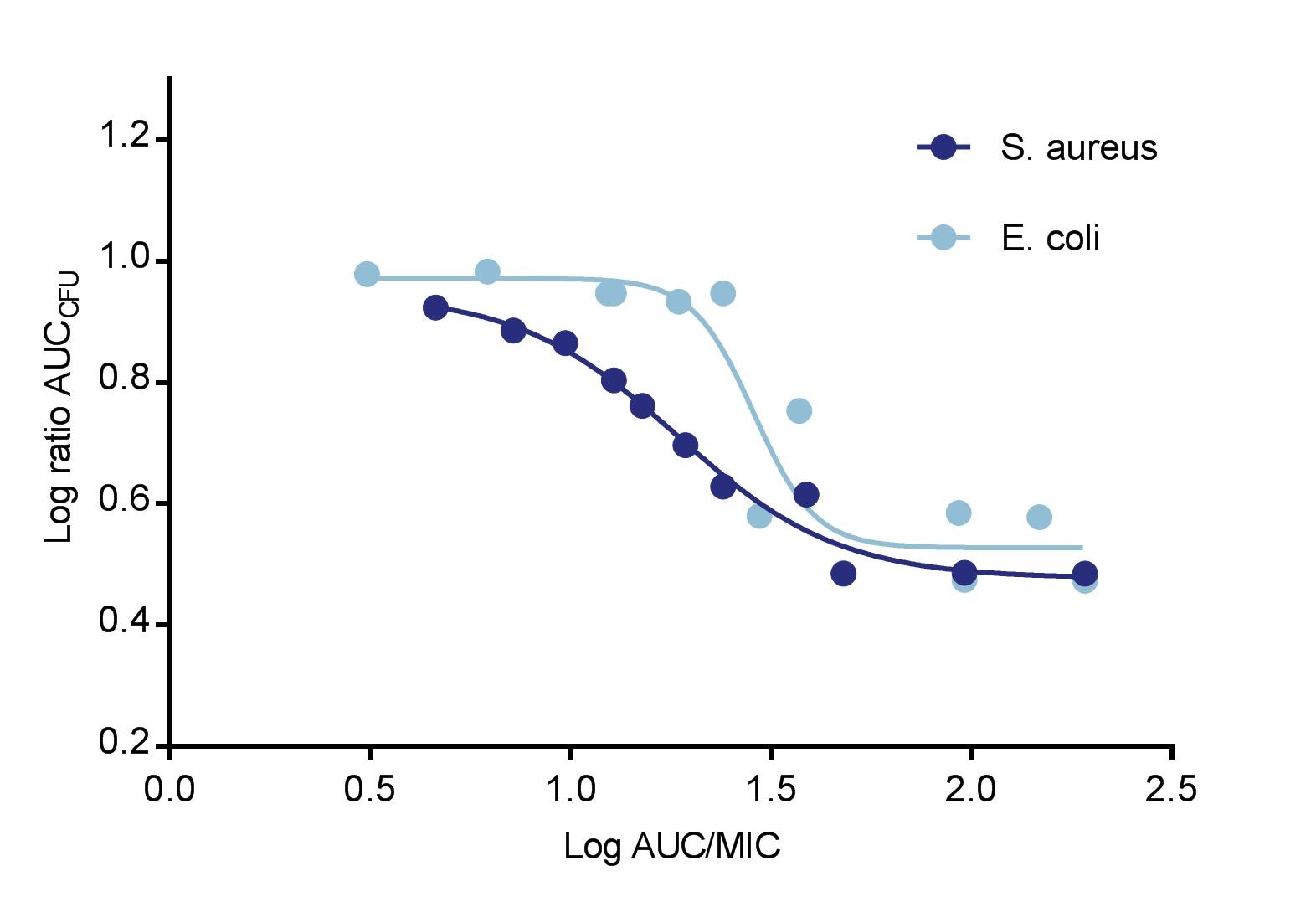
Figure 1: Determination of pharmacokinetic drivers in infection showing correlation of AUC against AUCCFU of E. coli and S. aureus
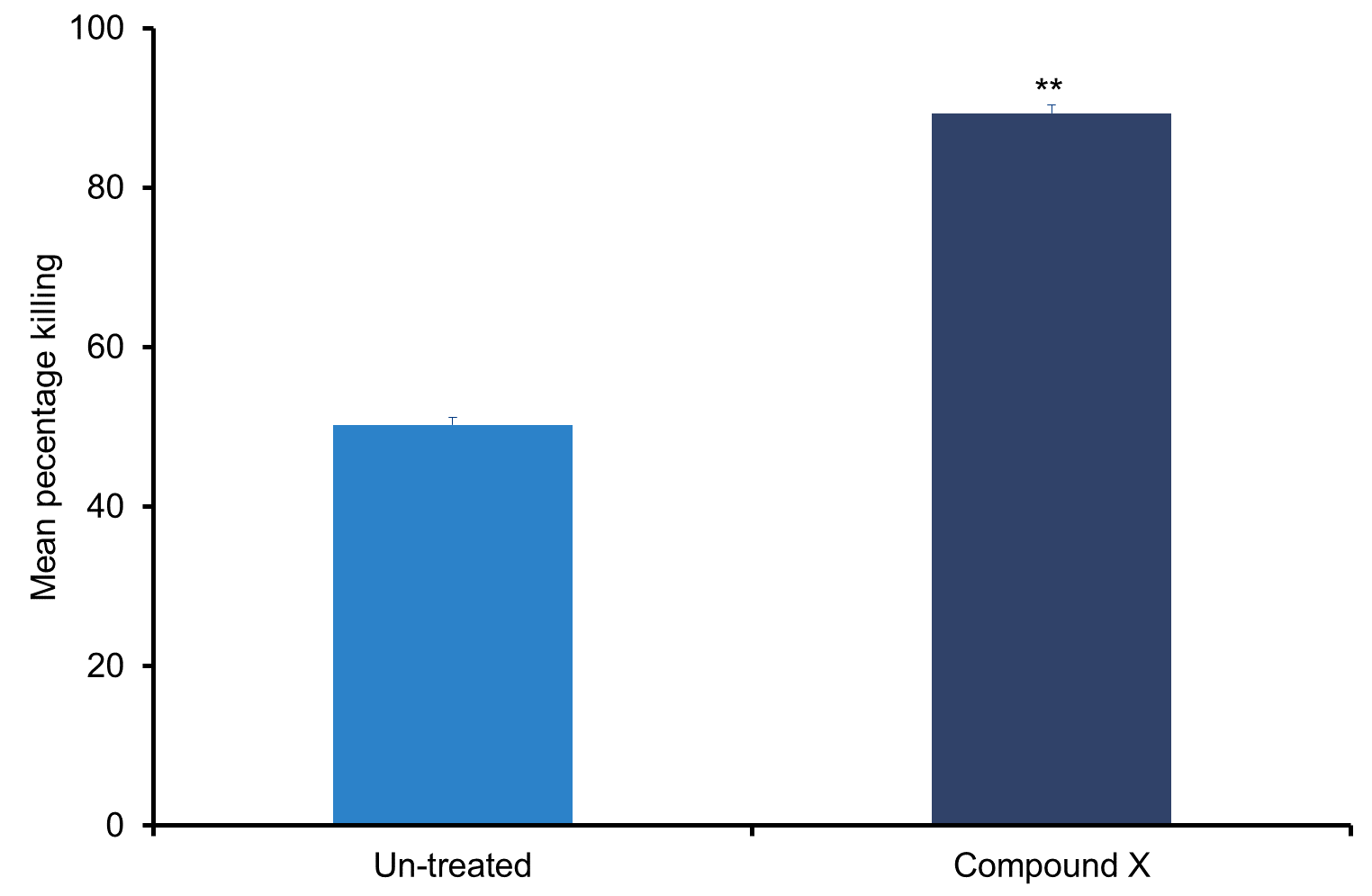
Figure 2: Increase in percentage killing of P. aeruginosa internalized in 16HBE cells following antimicrobial treatment compared with untreated control (**P<0.01, unpaired t-test)
Have another question or need advice on which model is right for you?
Frequently Asked Questions (FAQs) in Antiviral and Antimicrobial Testing:
-
How can in vitro testing help anti-infective research programs?
In vitro antiviral and antimicrobial testing can quantify the efficacy of anti-infectives, either in support of in vivo research models or in stand alone in vitro and cell culture assays. This anti-infective in vitro testing can increase biological relevance of infection models by monitoring clinically appropriate biomarkers.
-
Which in vitro assays should I use for my antiviral research program?
Charles River’s virologists can aid your antiviral and vaccine research programs by using in vitro and cell culture assays to determine viral titres and efficacy of test compounds. These assays include hemagglutination assays, plaque assays, TCID50 and EC50/CC50 assays as well as utilising ELISA and luminex platforms.
-
Which bacterial in vitro assays should I use for my antimicrobial research program?
Charles River works with a wide range of bacterial strains in in vitro assays to aid your research programs. Assays that are typically used include; minimum inhibitory concentration assays, minimum bactericidal concentration assays, time kill assays, PK/PD assays, resistance testing and cell based assays, including internalization, killing and biofilm assays.
-
What are MIC assays?
MIC or Minimum Inhibitory Concentration assay is a method used to determine the lowest concentration of a specific antibiotic that is required to visibly inhibit the growth of bacteria. This is often used early in drug discovery of anti-infectives to screen candidate drugs against bacteria of interest.