
CSDS Model for Antidepressant Drug Studies
The chronic social defeat stress (CSDS) paradigm induces depression by repeatedly exposing naïve mice to aggressor mice. After 15 days in this emotionally stressful environment, mice display robust depressive phenotypes, which are characteristic of human symptoms. The hallmark behaviors of this model include anhedonia, anxiety, and social-avoidance behavior as measured by:
- Reduced activity in an open field
- Reduced number of rears
- Increased immobility
- Impaired performance in a long-term memory test (contextual fear conditioning)
- Impaired performance in active avoidance test
Collectively, these endpoints provide a comprehensive model of depression to assess the efficacy of your antidepression therapy candidates. This flexible study paradigm allows either chronic or acute antidepressant treatments, as well as client-specified dosing programs, translating to better predictive value for your drug candidate’s intended use.
Chronic Social Defeat Stress Model Paradigm
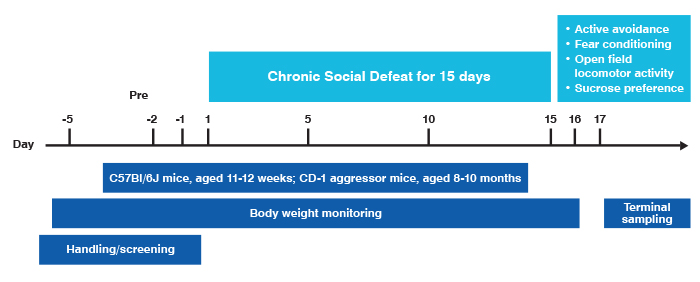
Example of the chronic social defeat stress study paradigm. Treatment regimen is study-dependent.
-
CSDS Model Validation Data
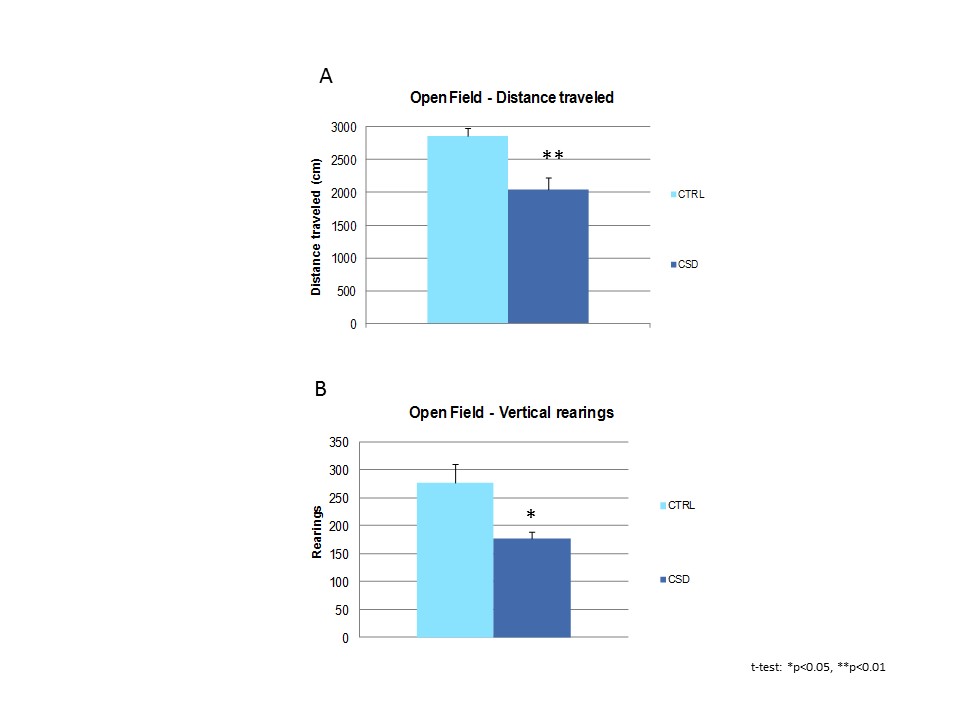
Chronic Social Defeat Stress (CSDS) mice are less active and demonstrate a reduction in rearing relative to control mice.
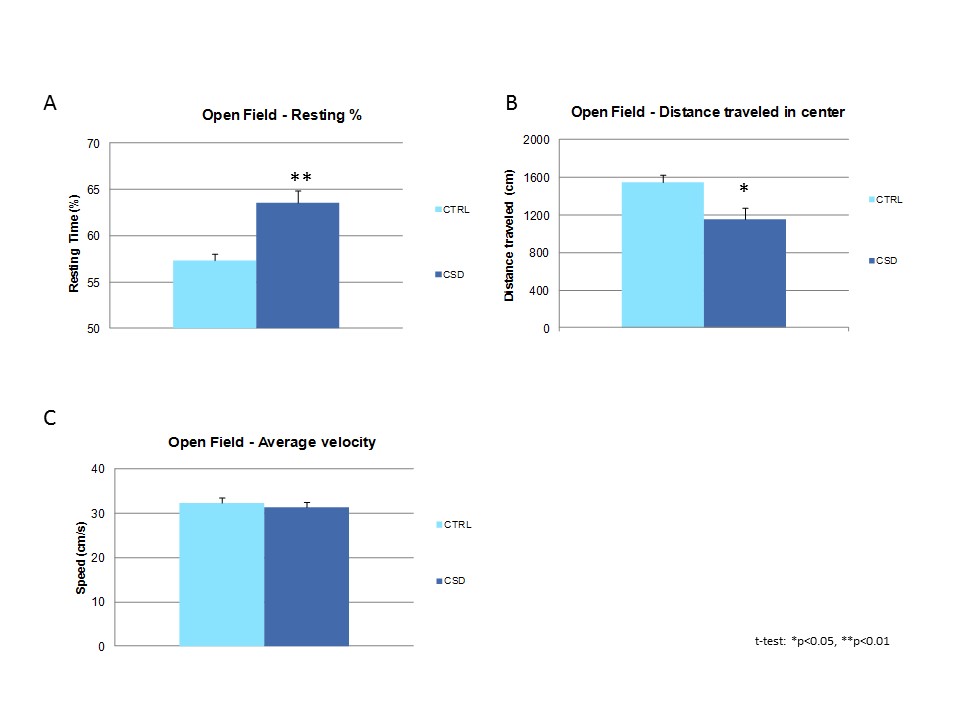
CSDS mice spend more time immobile in the open field than control mice (A). CSDS mice spend less time in the center of the open field (B), which suggests heightened anxiety. Mobile CSDS mice move at the same velocity as control mice (C), suggesting no motor impairment.
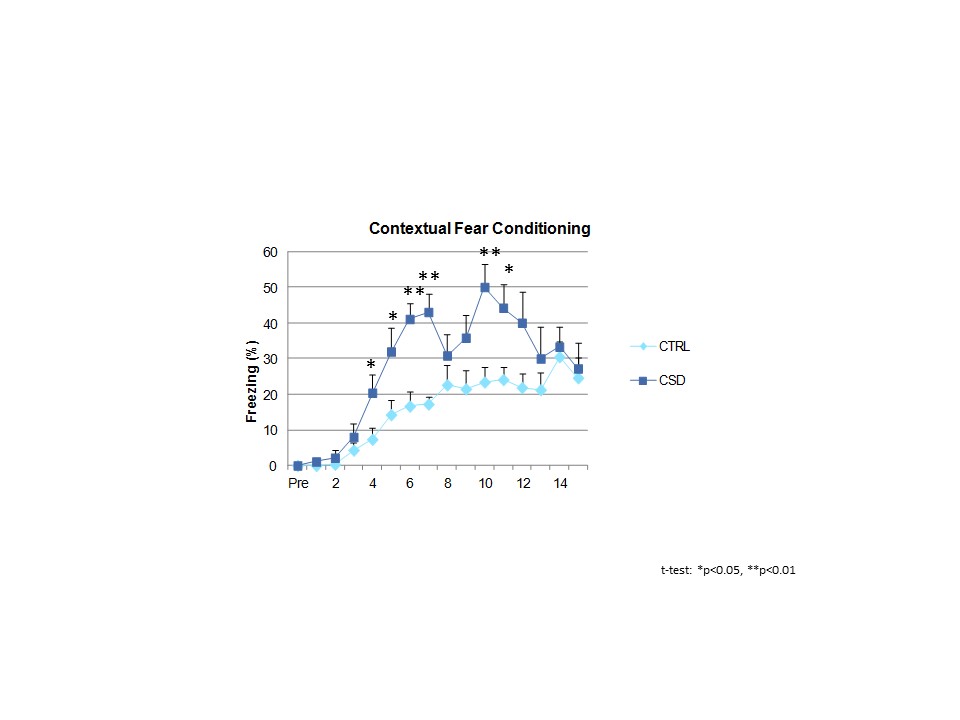
CSDS mice displayed impaired acquisition in a contextual fear conditioning paradigm.
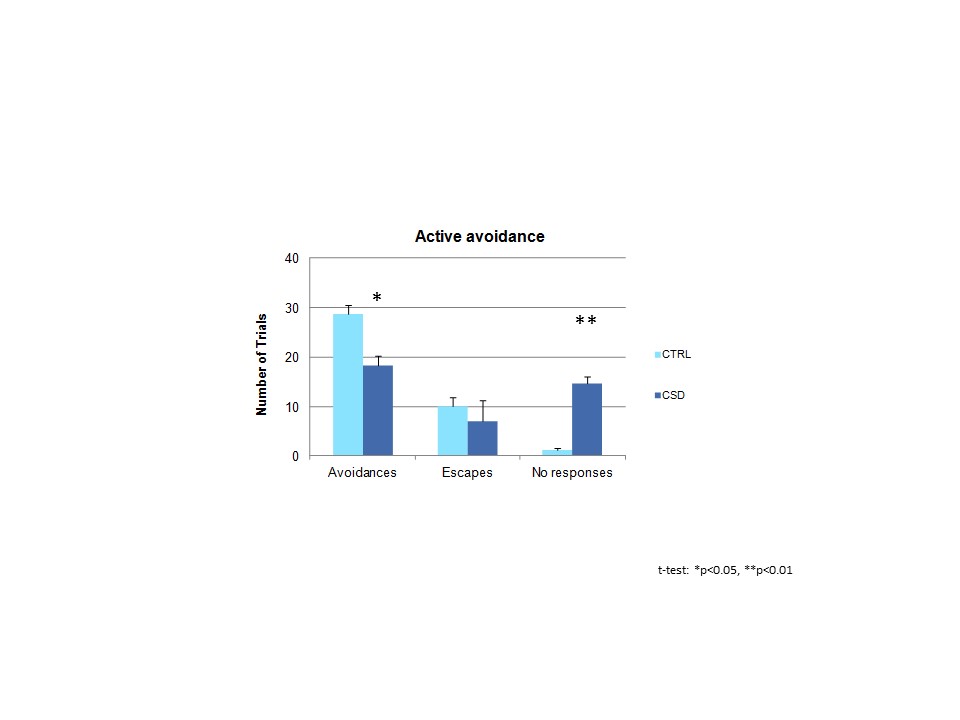
When tested in an active avoidance paradigm, CSDS mice had a significant reduction in the number of active avoidances and a significant increase in no-response trials.
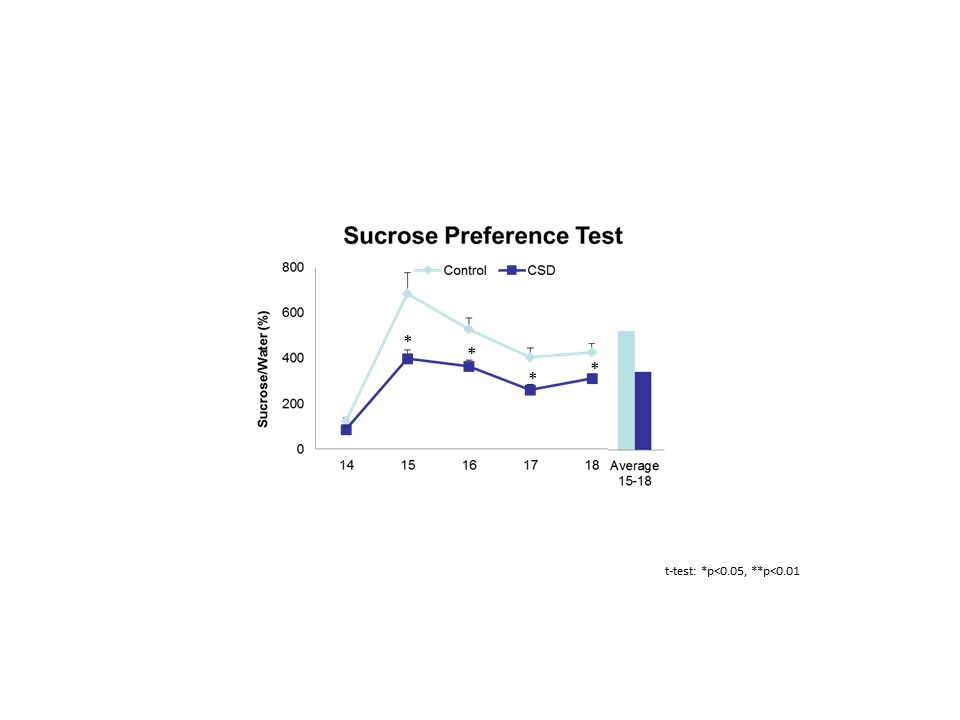
When tested in a sucrose preference test, CSDS mice had a reduced preference for sucrose (relative to water) as compared to control mice.