
- Quality Risk Management
- Contamination Control
- Environmental Monitoring
- Automation
- Aseptic Processing
Quality Risk Management
This new requirement in the EU GMP Annex 1 calls for manufacturers of sterile products to move to a quality risk management approach. This includes a specific requirement to assess the risk of contamination and take steps to eliminate/mitigate that risk. Accurate identification of microbial contaminants is an essential tool to assess the risk of the contamination for the product and patient, and to take steps to eliminate that risk.
Rapid Microbial Detection
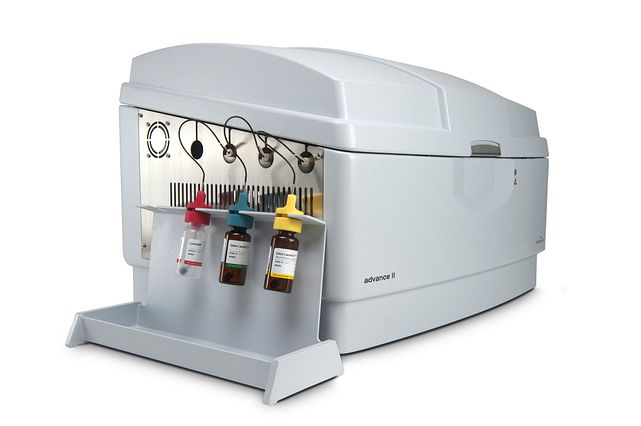
A PQS is not an end point test, but a comprehensive, holistic approach of ensuring contamination is prevented or detected and mitigated throughout the sterile production process. Therefore, ensuring you adopt a rapid microbiological method that is compatible with a wide variety of samples, test methods, and in-process tests is critical. Celsis® ATP Bioluminescence is one such method, capable of testing cell-based samples as early cell culture, media, water, and final product sterility, it provides the most versatile rapid solution in the industry.

Microbial Identification and Strain Typing
Once you detect a contamination, mitigating its impact hinges on first identifying it as quickly and confidently as possible. This can be accomplished by leveraging genotypic methods based on robust libraries like Accugenix®. And, since microbial flora in your environment can change over time, the free Tracking and Trending tool in our Customer Web Portal will allow you to trend reports and ensure that you are aware of any changes that may indicate a loss of control and respond accordingly.
Endotoxin Testing
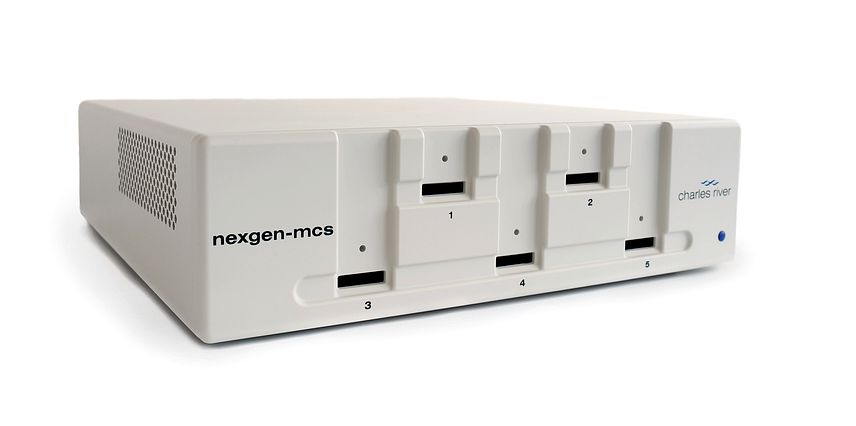
Annex 1 classifies both purified water (PW) and water for injection (WFI) as critical utilities if they come into direct contact with the product (e.g., water for washing or rinsing), materials that will ultimately become part of the product, contact surfaces, or otherwise directly impact the product. Discover how you can ensure your critical utility water systems are free from contamination, such as biofilm, with a highly reliable 15-minute LAL test for endotoxin.
Contamination Control
Do you understand the new Contamination Control Strategy (CCS) requirements and how they will impact your lab and your facility? The new approach will help companies ensure acceptable sterility assurance levels. Under the new EU GMP Annex 1, each process and product should be assessed to define all critical control points, covering viable (microbial) and non-viable (pyrogen as well as other potential particulate matter) areas for contamination risks. If you’re wondering how these changes could apply to your Quality Control and bioburden testing programs, you’re not alone. Contamination Control is a central topic and requires that your CCS document include quality risk management assessments and rationales.
Microbial Identification and Strain Typing
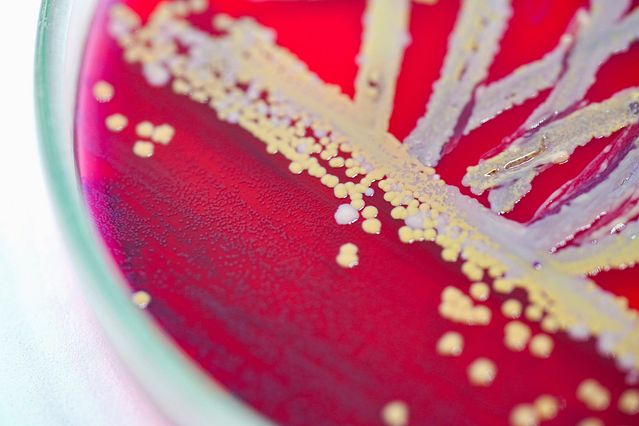
The EU GMP Annex 1 outlines many elements for CCS including: monitoring investigations, CAPA, trending, cleaning and disinfection, and risk assessments. All these elements require microbial identifications to be accurate. At Accugenix® we only use the latest technology to ensure our identification services provide the most accurate results. In addition, our comprehensive, relevant microbial databases and validated continuous update process make certain that a consistently high rate of species-level ID is achieved.
Rapid Microbial Detection
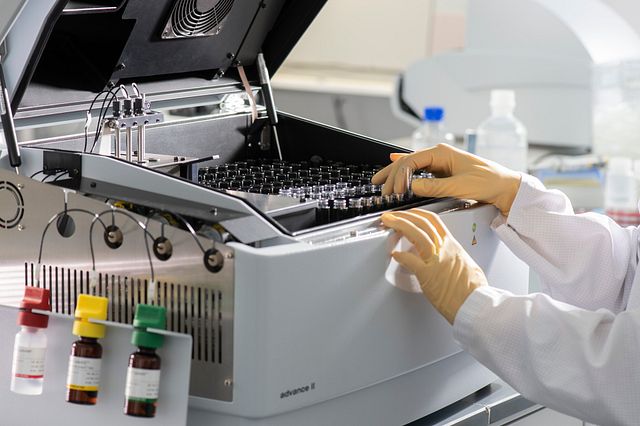
It's common to look for critical control points that are both at greater risk of contamination and also points where potential contamination would have the greatest impact. The Celsis® platform is flexible and can be utilized to accelerate QC micro results in environmental monitoring, cleaning, water bioburden, and in-process controls. Furthermore, Celsis® harmonizes multiple microbial tests to be included in the batch releases.
Endotoxin Testing
Creating a holistic and robust strategy to minimize the risk of endotoxin/pyrogen contamination is instrumental to confirming process performance, product quality, and safety. From active substance, excipient and drug product materials and components, facility and equipment operating conditions, in-process controls, and finished product specifications, assurance of contamination prevention remains critical. Whatever you're testing, our Endosafe® rapid testing systems have you covered.
Environmental and Personnel Monitoring
According to the EU GMP Annex 1, manufacturers of sterile products will have to create or adjust their environmental monitoring programs to include using risk-based methods to ensure prevention of microbial contamination in the final product. Microorganisms detected in the grade A and grade B areas should be identified to the species level.
Microbial Identification and Strain Typing
Environmental and personnel monitoring hinges on being able to confidently identify objectionable organisms. At Accugenix® we only use the latest technologies combined with our industry-leading, proprietary database to ensure we provide customers the highest rate of species-level identification, not only for common species but also those difficult to control organisms such as spore formers and molds.

Rapid Microbial Detection
In addition to testing product samples and in-process controls, rapid microbiological methods can also be utilized to test critical environmental monitoring samples, such as swab samples used during contamination investigations and remediation activities. Obtaining faster results to determine root cause and confirm corrective actions such as cleaning and sterilizations is critical. Due to the wide sample compatibility of Celsis® ATP Bioluminescence, a single RMM platform can be used for such applications.
Innovation & Automation
EM and micro QC data is predominantly maintained manually; personnel enter data, edit, and generate reports with spreadsheets. This leaves an opportunity for errors and, moreover, introduces risk to data integrity. In addition to concerns about the data itself, such routine tasks as EM data entry can take a lot of time and ignore the true function of the QC microbiologist. Annex 1 recommends the use of rapid and automated methods to expedite the detection of contamination and reduce the risk to product. Automation minimizes variation, time, and resources of performing investigations. Manual processes often lead to inefficiencies and human error within the lab, which can lead to costs in terms of both time and money, as well as pose a risk to product quality. Across our QC Microbial product portfolio, we provide exceptional implementation and validation support to ensure that end users will be successful.
Microbial Identification and Strain Typing
Innovation means modernizing processes throughout your workflow, including means to track the isolates found in your facility beyond just spreadsheets. Accugenix® Tracking & Trending offers secure user login and password protection, designed and implemented in compliance with GAMP5 standards for validation of automated systems. Tracking & Trending also reduces analyst time and hands-on involvement, minimizing opportunities for errors.

Rapid Microbial Detection
There are opportunities to eliminate subjectivity in many critical assays, such as final product sterility, which run a high risk of human error when trying to visually identify contamination. Furthermore, translation of results into even electronic records is subject to risk of transcription error. Utilizing an enzyme-based objective assay with automated results reporting like Celsis® ATP Bioluminescence replaces these risk areas and improves your level of data integrity with automation and secure data capture.
Endotoxin Testing
Our suite of rapid, flexible Endosafe® endotoxin testing systems allow you to scale your level of automation based on your lab needs and specifications for throughput, footprint, and walk-away testing ability. Paired with our LAL-powered, FDA-licensed cartridge technology, our systems provide fast, accurate, and reproduceable results, streamlining your manufacturing process and keeping your lab at the forefront of biomedical advances.
Aseptic Processing
One of the core guidelines of Annex 1 is the requirement to avoid microbial contamination throughout the complete aseptic process. Therefore, microorganisms isolated during the EM program or from in-process controls or contaminated units of the final product should be identified to the species level when practical, to assist in the determination of the likely source of the contaminant.
Microbial Identification and Strain Typing
Utilizing solutions that provide high rates of species-level ID ensuring compliance with EU GMP Annex 1. Along with our accurate methods and comprehensive databases, Accugenix® also provides additional tools, such as strain typing, that should be an integral part of routine surveillance monitoring programs to manage investigations.