
Celsis® Rapid Microbial Methods (RMMs) for Safer and Cleaner Product Release
Celsis® rapid microbial detection methods provide objective quality control (QC) results in half the time compared to traditional testing methods, allowing your QC microbiology team to quickly confirm the presence or absence of microbial contamination in samples using an automated, reagent-based assay. Whether testing at critical production process steps, screening incoming raw materials and water, or for final product release testing, Celsis rapid microbial detection systems can be used.
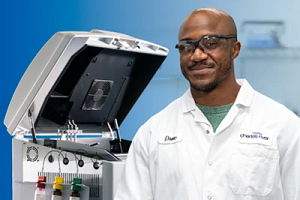
Explore the Celsis® Rapid Microbial Detection Brochure
Gain insight into Celsis® technologies, platform capabilities, implementation considerations, validation support, and microbial detection applications across a range of product types.
Access the Brochure
Explore Our Rapid Microbial Detection Portfolio
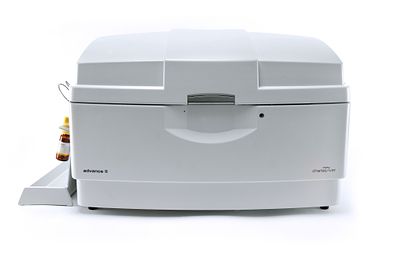
Rapid Microbial Detection Systems
Our suite of rapid microbial detection platforms is designed to deliver rapid microbial testing results quickly, regardless of sample type, volume, or industry, from small to high-throughput product manufacturing facilities.
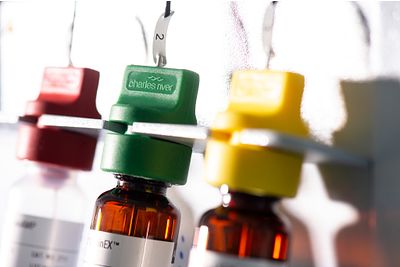
Rapid Microbial Detection Reagent Kits
Our extremely reliable and precise reagent kits are available in multiple options suited for sterile, non-sterile, and challenging product types.
Rapid Microbial Detection Accessories and Consumables
We provide all the necessary accessory products required for rapid microbial detection, along with their certificates of quality.
Rapid Microbial Detection Resources
Check out our rapid microbial detection customer testimonials, posters, webinars, and more.
Celsis® Lab Locations
Our expertise and capabilities across a global network of laboratories can address each unique product. We provide the ability to fully outsource method suitability in accordance with USP <73>, or complete alternative method validation in accordance with USP <1223>, PDA Technical Report 33, and Ph. Eur. 5.1.6.
- cGMP-registered in Charleston, South Carolina
- cGMP-certified laboratory in Dublin, Ireland
- cGMP-registered laboratory in Singapore
- Laboratory in Kaarst, Germany
Frequently Asked Questions (FAQs) about Rapid Microbial Detection
-
When can I use a rapid microbial method to test?
Rapid microbial methods are an ideal solution wherever there is a benefit in obtaining a faster time-to-result than the traditional method. However, the potential applications for rapid microbiology are much wider and more ubiquitous than this. Most traditional methods, involving enumeration or visual confirmation of contamination can be replaced with a rapid detection method. These include purified water, water for injection (WFI), microbial limits, bioburden counts typically expected to be 0 CFU, critical in-process steps, and for incoming raw materials.
-
Do rapid methods need to be validated before I can use them? If so, how do I validate them?
Yes, implementing a rapid microbial method is an alternative method to your traditional, compendial method, which was validated prior to use as well. Historically, this task was considered very difficult and a barrier to entry for QC microbiology labs not familiar with alternative rapid methods. However, regulatory agencies and industry consortiums have responded and have published additional guidance documentation to assist implementation. Additionally, technology suppliers have been encouraged to do so as well. We can provide guidance on how to implement Celsis, as well as additional services and support when feasible.
Additional industry guidance documents can be found using the following links:
-
What should I do if I get a positive result?
It is recommended that any detected microbial organisms be identified to the species level. The most reliable and accurate microbial identification method is DNA sequencing, which is the basis of our AccuGENX-ID® service. Another technology for identifying routine microbial samples is MALDI-TOF, which we offer as AccuPRO-ID®, or as Axcess®, our in-house solution. The key to the most accurate identification results is our proprietary validated microbial databases.
Spotlight
The Micro Keeps You in The Know
You don't need an agar plate to grow your microbial knowledge. Get industry updates, articles and other resources delivered straight to your inbox each month with this microbiology newsletter.
Subscribe