
Tired of Cumbersome Traditional EMPQ Processes?
Traditional EMPQ processes are labor-intensive, time-consuming, and often lack the depth of analysis required for comprehensive risk assessment. This gap presents a significant challenge for QC professionals tasked with ensuring regulatory compliance and product safety. QC professionals struggle with identifying the root cause of contamination due to poorly designed environmental monitoring (EM) programs, stemming from insufficient sampling, lack of historical data on organisms within the facility, and failure to establish a comprehensive baseline of indigenous organisms. The inability to distinguish between new and existing organisms complicates contamination investigations, making it difficult to identify changes or breaches in the facility’s contamination control measures.
In developing the Accugenix EMPQ identification and report services, we connected with our QC pharmaceutical customers to discover exactly what they were being challenged by in their processes:
- Complexity of Microbial Identification: Accurate identification of microorganisms is critical for assessing and mitigating contamination risks. Advanced molecular techniques are often required, increasing the complexity and cost of EMPQ processes
- Data Management: The sheer volume of data generated during EMPQ activities demands robust data management and analysis systems to derive meaningful insights
- Regulatory Compliance: Staying abreast of changes in regulatory standards and ensuring documentation complies with regulatory expectations
In response to this feedback, our team built a service that covered all these requests which resulted in a service providing:
- Speedy EMPQ Processes: By cutting down on the time and resources needed for in-house identification and data analysis, we free up QC teams to focus on core tasks
- Simplified Data Management: Our comprehensive reports reduce data overload, enabling clear, actionable insights
- Strategic Resource Allocation: Freeing up valuable resources to focus on innovation and growth, rather than being bogged down by EMPQ complexities
- Regulatory Peace of Mind: Our detailed documentation and evidence-based assessments support stringent compliance and audit readiness

Webinar: Elevating Cleanroom Validation through Risk-Based EMPQ Strategies
Investigate the relationship between cleanroom validation, a critical building block for developing a risk-based monitoring program, and EMPQ. Explore the pivotal role of site selection and valid microbial identification in crafting effective contamination control strategies. Available for a limited time.
Watch Now
Accugenix® EMPQ Identification Services
Our process begins with identification, using the latest MALDI-TOF mass spectrometry and microbial sequencing technologies to identify bacteria, yeasts, and molds with unparalleled precision. Each sample undergoes a rigorous identification process, providing you with a clear and accurate understanding of your cleanroom’s microbial profile. This approach ensures the highest accuracy in species identification, revealing critical insights into potential risks, including species resistant to disinfectants and radiation, and those associated with biofilm formation in water systems.
From identification to action:
- Species-Level Identification: Understand the specific microorganisms present in your environment, including their potential risks and resistances
- Biofilm Detection: Identify and address biofilm-associated genera, crucial for maintaining water system integrity
- Gram Stain Distribution and Spore formers: Gain insights into the gram characteristics and spore formation of identified species, aiding in contamination control strategies and cleaning and disinfection
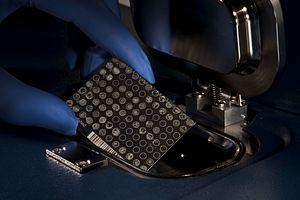
Seminar: Exploring MALDI-TOF Mass Spectrometry for Microbiology
Available for a limited time, this seminar confronts the strengths and limitations of MALDI-TOF mass spectrometry as a reliable, compliant, and scalable option in quality control and environmental monitoring.
Watch Now
Accugenix® EMPQ Report:
This report serves as a critical tool to affirm the efficacy of environmental monitoring validation strategies. It enables a more strategic approach to identifying, tracking, and mitigating microbial risks within manufacturing environments. Moreover, the reports comprehensive data analysis supports informed decision-making, ensuring that contamination control measures are both effective and compliant with regulatory standards.
This report alleviates common EMPQ challenges:
- Comprehensive Microbial Analysis: A detailed review of environmental monitoring validation findings, including identification of gram-positive/negative bacteria, fungi, biofilm-formers, and disinfectant-resistant organisms. This level of detail supports targeted contamination control strategies.
- Data Overload: QC teams often face challenges in managing and interpreting vast amounts of data generated from EMPQ activities. We simplify this by offering a consolidated analysis, significantly reducing the risk of errors and oversights that can arise from manual data handling.
- Time and Resource Constraints: Operational inefficiency of in-house data analysis, freeing up valuable time and resources within QC departments. This allows teams to focus on other critical aspects of quality assurance and control.
- Reliable and Validated Information: Information that is sourced from reliable references, ensuring that QC professionals have access to environmental monitoring validation data for decision-making. This reliability is crucial for maintaining product safety and regulatory compliance.
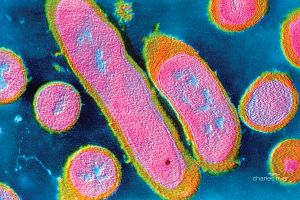
Bring Rare Bugs Around the World to Your Screen
Turn your device into a gallery of microbial science with 12 wallpapers featuring rare organisms identified across our global laboratory network.
Download Wallpapers
Frequently Asked Questions (FAQ) About EMPQ:
-
What is featured in an Accugenix EMPQ report?
- Rate of species identifications and higher taxonomic levels
- Identifications due to Accugenix library entries
- Top 50 frequently occurring organisms
- Species* identifications eligible for ProSeq
- General room specific overview
- Identified genera by frequency of occurrence
- Identified Species by frequency of occurrence
- General habitats of identified microorganisms
- Gram stain distribution
- Species with potential resistance to disinfectants and/or radiation
- Other observations that are linked to certain identified genera
-
What is an EMPQ?
EMPQ serves as an environmental monitoring validation step, ensuring that cleanrooms and other controlled environments meet specific microbial and particulate standards necessary for the prevention of contamination in the production process. This process is essential for maintaining product safety and compliance with regulatory standards.
Yet, traditional EMPQ processes often fall short, mired in labor-intensive, time-consuming methodologies that lack the depth of analysis for comprehensive risk assessment. These challenges are compounded for seasoned professionals in leadership roles within small organizations, where resources are scarce, and the stakes are high.
A step-by-step overview of the EMPQ process:
- Baseline Monitoring: Identifies the initial microbial flora following construction or major modifications, before the area is sanitized
- Static Monitoring: Assesses the environment under no activity to evaluate the effectiveness of cleaning and sanitization procedures
- Dynamic No-Manufacture Monitoring: Monitors the environment with personnel present but without active manufacturing, to gauge human-associated contamination risks
- Dynamic Manufacture Monitoring: Conducted during production activities to evaluate the cleanroom’s performance under operational stress
- At Rest/Recovery Monitoring: Measures the environment’s ability to return to baseline conditions post-operation, assessing recovery efficiency
-
Why perform an EMPQ?
The role of EMPQ in QC is to establish and maintain control over the microbial environment, minimizing the risk of product contamination. It provides a framework for systematic environmental monitoring, enabling companies to detect and address contamination sources proactively. EMPQ facilitates root cause analysis by ensuring that EM programs are well-designed, with appropriate sampling strategies and a well-documented history of facility organisms. This level of control is critical for long-term facility management and ensures compliance with regulatory standards.
An EMPQ is conducted in facilities that are newly constructed or have undergone significant renovations. This initial EMPQ involves baseline sampling post construction clean to understand the microbiota present before introducing controlled processes and disinfection protocols. This process establishes a baseline understanding of the microbial environment, which varies based on geography, building materials, and construction practices. This variability requires a comprehensive and tailored approach to sampling and analysis. The high cost increases the pressure from leadership to get the room up and running. This approach aids in the development of a routine environmental monitoring (Routine EM) as part of an effective contamination control strategy tailored to the specific environmental conditions of each facility.
Routine EM is performed periodically in operational facilities to ensure ongoing compliance with established contamination control standards. This process faces the challenge of maintaining stringent contamination control measures over time, addressing changes in the operational environment, and adapting to new regulations or production requirements. This approach applies high-throughput technologies to quickly identify shifts in microbial populations or the emergence of new contaminants. This enables proactive adjustments to cleaning and disinfection protocols, ensuring that facilities remain compliant with evolving industry standards and regulations.
-
What are the regulatory expectations for EMPQ?
The ability to manufacture products hinges on the cleanliness and qualification of the production environment. Failure to adhere to EMPQ standards not only risks regulatory approval but can also result in product contamination, leading to significant financial losses and regulatory scrutiny.
Key regulatory references include:
- EU GMP Annex 1: Manufacture of Sterile Medicinal Products: regulations for the qualification of cleanrooms and clean air equipment
- 21 CFR 211.113(a): “Appropriate written procedures, designed to prevent objectionable microorganisms in drug products not required to be sterile, shall be established and followed.”
- USP <1116>: Highlights that microbial control levels cannot be universally prescribed for all manufacturing environments, advocating for risk-based analysis to determine monitoring locations, frequencies, and acceptable microbial levels
- ISO 14644-1:2015: Provides standards for air cleanliness classification, which helps in determining the sampling requirements based on room size and operational conditions

Your Guide to Fast, Accurate Microbial Identification
With so many ID methods and providers out there, it’s tough to choose. We’ll guide you through how each test delivers results, so you can find the best fit for you.
Check it out