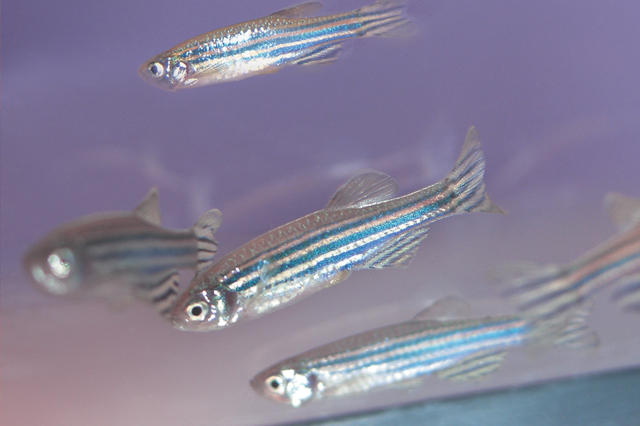
Diagnostic Zebrafish and Xenopus Services
The introduction of unintended variables into your aquatic colonies could confound your research. Poor water quality can cause stress on animals, possibly leading to opportunistic infections and severe health conditions within your tanks. Routinely checking water quality is a small step toward avoiding these issues, but a more comprehensive aquatics health monitoring program may be advised.
Animal Welfare Indicators
- Color/pigment
- Respiratory rate
- Swimming/Behavioral patterns
- Growth rate
- Body condition
- External morph. abnormalities
- Reproductive performance
- Food consumption
Water Parameters
- Temperature
- pH
- Conductivity
- Alkalinity
- Hardness
- Dissolved gas
- Nitrogen waste
Our zebrafish and xenopus diagnostic testing services proactively monitor the health of your aquatic colonies. Our services include:
Access to Laboratory Testing Management® (LTM™), Our Online Data Management Platform
- Free sample collection and shipping supplies
- Free sample submission through LTM™ Ship (does not include live fish submission)
- Submit and track your lab samples and analyze the results of your aquatics health monitoring
Flexible and Custom Program Options
- Qualified PCR assays for zoonotic, opportunistic, and pathogenic bacteria, parasites, and viruses
- Pooled sample submission (up to five fish) per PCR test. Alternative sample types accepted, including detritus, biofilm swabs, and tank water PES filter material
- Necropsy and histology workups support diagnostic investigation
Resources
Download our overview of testing frequency, assay panels, sample types, and health surveillance methodology for aquatic research models.
Keep your aquatics operations afloat with expert insights on resource optimization, animal welfare best practices, and effective health monitoring in this webinar.
Frequently Asked Questions (FAQs) About Aquatic Health Monitoring
-
What are some common indicators that there may be concerns about the welfare of my zebrafish or xenopus colony?
Aquatic health monitoring starts with observing your colonies. Changes that may indicate poor health include:
- Color or pigment changes
- Respiratory rate changes (opercular movement)
- Changes in swimming patterns and/or behavior
- Body condition changes and abnormalities
- Changes in reproductive performance
- Changes in food consumption
- Measured water quality changes
-
What animal welfare conditions can lead to poor health in aquatic models and how can I mitigate infection?
- Water quality – Monitor temp, pH, conductivity, alkalinity, hardness, dissolved gases, and nitrogen waste
- Feed – Monitor nutrient quality, overall consumption, and QC feed lots
- Tank Population – Do not overcrowd and provide enrichment
- Stress – Monitor social stressors, pigmentation, respiratory rate, swimming/behavior changes, growth rate, physical body condition, reproductive performance, and food consumption
- Quarantine – Establish a quarantine protocol by taking precaution with all incoming animals to maintain proper biosecurity
- Health Monitoring – Establish proper testing measures to help discern if any of the above factors is an issue in your system or to detect an infectious outbreak
- Water quality – Monitor temp, pH, conductivity, alkalinity, hardness, dissolved gases, and nitrogen waste
-
Does rack or housing type affect my health monitoring program design?
The type of housing and colony management being used may affect, as well as dictate, how your diagnostic program should be designed. You should consider the following factors when planning a health monitoring program:
- Water filtration (recirculating versus flow-through)
- The number of systems
- Breeding and long-term housing versus short-term study use
- The source of your animals (purchased through a vendor or collaborator shared)
- Incoming health status (rederived embryos versus quarantine-only adult animals)
-
How can I get a comprehensive overall view of the health status of my aquatic colony?
You can incorporate a holistic approach by using various sample types. For example, testing whole or sick fish can let you know the precise agents affecting animals in your tanks. Testing tank biomass/detritus can let you know if things are lurking in your system that could pose as opportunistic or zoonotic infections.
-
Why are zebrafish used in research?
- Genetic Similarity – Zebrafish share a significant portion of their genes with humans, making them valuable for studying human genetics and diseases.
- Transparency – Zebrafish embryos are transparent, allowing researchers to observe their internal organs and processes in real-time.
- Rapid Development – Zebrafish embryos develop quickly, with many organs forming within the first few days of life. This rapid development makes them ideal for studying embryonic development and screening for developmental abnormalities.
- High Reproduction Rate – The regenerative abilities and small size of zebrafish are also benefits to researchers.
- Genetic Similarity – Zebrafish share a significant portion of their genes with humans, making them valuable for studying human genetics and diseases.