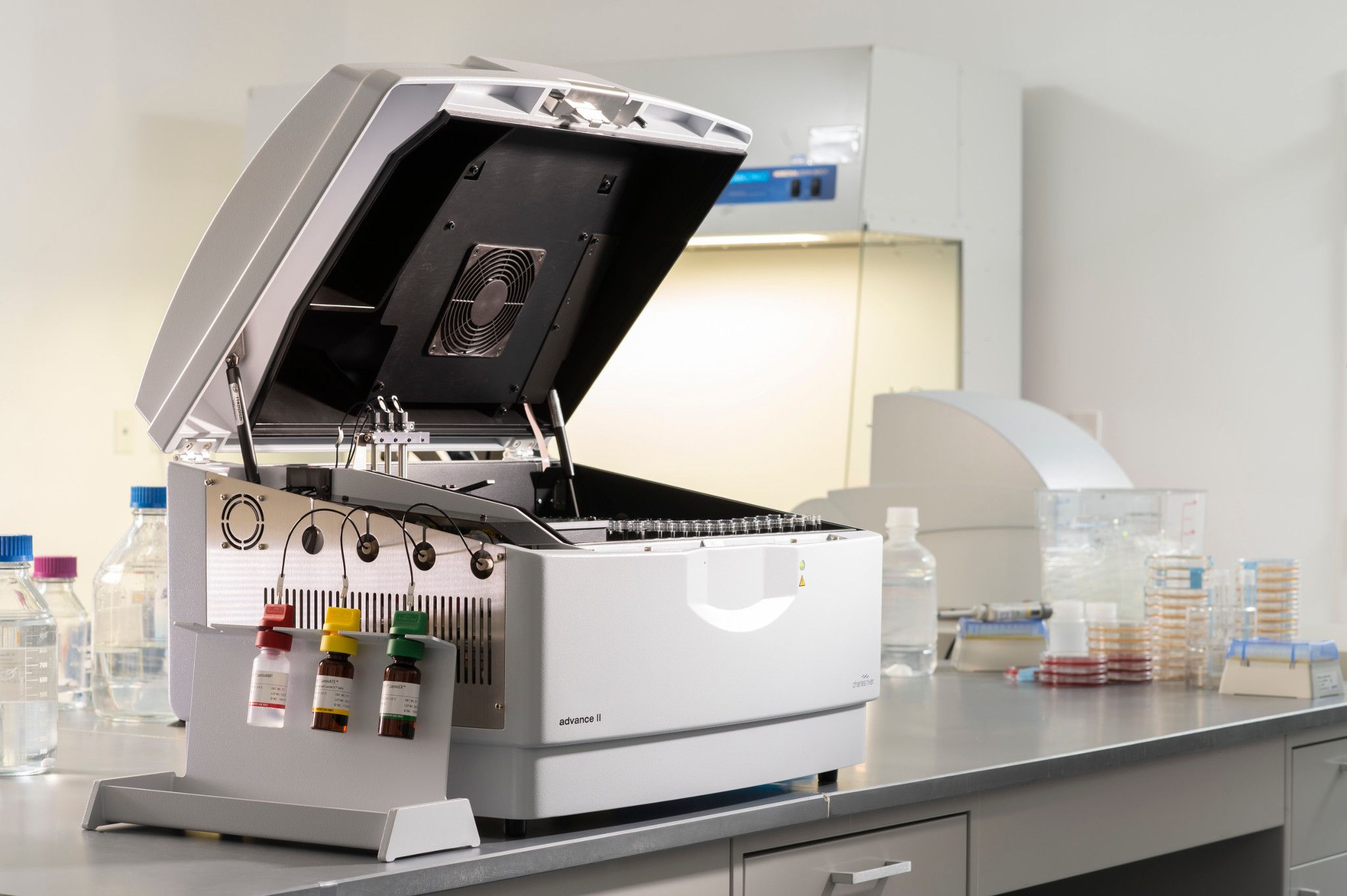
A Closer Look at USP <73> and <1071>
USP <73>: ATP-Bioluminescence-Based Microbiological Methods for the Detection of Contamination in Short-Life Products
USP Chapter <73> positions ATP-bioluminescence as a compendial test for detecting microbial contamination in short-life products. The chapter highlights the long-standing use of ATP-based methods in pharma, over-the-counter, and cosmetics, while providing basic steps for implementation.
USP <1071>: Rapid Microbial Test for Release of Sterile Short-Life Products: A Risk-Based Approach
USP Chapter <1071> supports multiple RMMs, including ATP-bioluminescence, for detecting contamination, rapid sterility, and bioburden testing. It emphasizes quick detection while maintaining compliance, outlining method validation and suitability testing for the regulatory submission process.
Exploring Top RMM Solutions for Your Business
When selecting an RMM, it is critical to consider the regulatory expectation of detecting microbial contamination that is relevant to the product, the manufacturing process, and the patient.
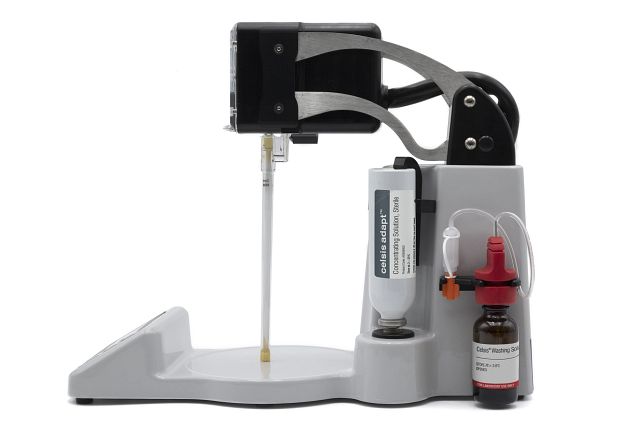
Key Considerations for Selecting an RMM:
Detection: Accurately detect microbial contamination with high sensitivity that’s unmatched by other rapid methods.
Time to Result: Enables critical and accurate release decisions that directly impact patient safety.
- Celsis Adapt Cell Equivalency Fact Sheet
- Determination of Incubation Time and Application of USP <73>
Automated Results: Simple, confident, compliant, and reproducible testing.
Explore Additional Resources to Discover How Celsis can Support Your Needs:
- Celsis Adapt Sample Concentrator System
- Celsis Adapt Product Sheet
- Rapid Sterility Test Systems for Advanced Therapies
- Implementation of a Comprehensive Rapid Microbial Contamination Control Platform for Testing of Sterile Pharmaceuticals and Cell-Based Therapies Using ATP- Bioluminescence
- Demonstration of ATP-Bioluminescence for Detection of Microbial Contamination in T-Cells Using Celsis Adapt
- Demonstrating Method Suitability for an ATP-Bioluminescence Rapid Microbial Detection Method for Biologic Products
- The Future of Sterility Testing for Short Shelf-Life Products
- A Rapid Microbiological Method Case Study for Advanced Therapy Medicinal Products
- Optimizing Contamination Control in Cell & Gene Therapy
- Enhancing Rapid Microbiology QC in Cell & Gene Therapy
With the right tools and guidance, transitioning to Celsis under USP <73> can be seamless and impactful.
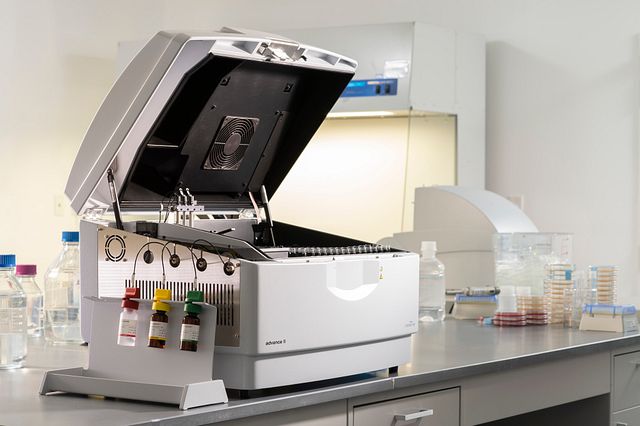
Webinar: Accelerate Sterility Testing with USP <73>
In this webinar, Labor LS and Charles River industry experts discuss how ATP-bioluminescence is shaping the future of short-life products. Explore real-world insights and validation strategies.
Watch the Replay
Partnering for Success with a Rapid Microbial Detection Method Aligned with USP <73> and USP <1071>
Transitioning to rapid microbial detection methods for short-life products requires a scientifically robust data package, including:

- Primary Validation: Since ATP-bioluminescence is described in a general method chapter, users may leverage primary validation data generated by Charles River without needing to repeat it per UPS <1071>.
- Method Suitability: The method described in the USP <73> general chapter must demonstrate the growth of the test microorganisms listed and a selection of test strains relevant to the product/manufacturing process.
- Determination of the Incubation Time of the Product to be Examined: Identifying the appropriate incubation period for the product to be examined, which is determined in the method suitability test based on the slowest growing organism.
We provide the ability to fully outsource method suitability and determination of the incubation time of the product to be examined in accordance with USP <73> or complete alternative method validation in accordance with USP <1223>. Testing is performed at our cGMP-certified laboratory in Charleston, South Carolina, our cGMP-certified laboratory in Dublin, Ireland, our cGMP-compliant laboratory in Singapore, or at our multi-accredited testing facility in Ballina, Ireland.
In the past two years, we worked with over 40 manufacturing and service laboratory networks to facilitate validation and accelerate their timeline to routine testing.
Contact us to learn how you can expedite your Celsis implementation and satisfy the updated requirements of USP <73>.
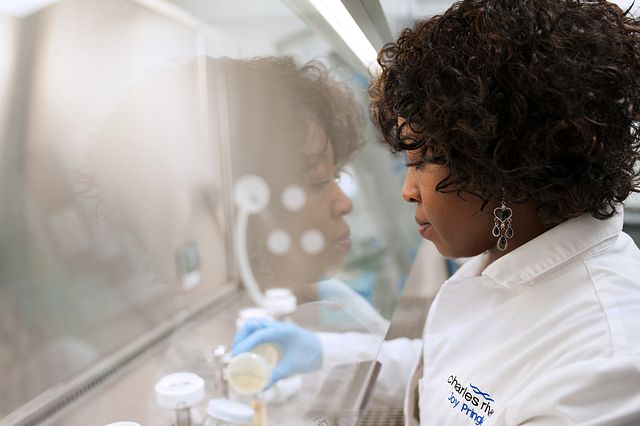
Webinar: Get Regulatory-Ready: Prepare Your QC Lab for Upgrades
Gain insight on pre-implementation considerations from a former FDA unit supervisor and analyze a case study of a laboratory that changed its final sterility release test. Designed as a “prep-before-you-step” guide, industry experts will share critical knowledge that will empower you to make informed, compliant, and efficient lab improvements.
Watch Now
USP <73> & USP <1071> FAQs
-
Do I still need to validate my product?
When USP <73> is applicable, following the method suitability and determination of incubation time described in the chapter, in the presence of product, is considered adequate. We provide the primary method validation for Celsis.
-
How long will validation take?
The new chapter of USP <73> means that for short-life products, validation as per USP <1223> is no longer needed. Following USP <73>, it is anticipated that method suitability and incubation time could be completed in under 2 months. If you choose Charles River to execute your USP <73> study, we will provide an approved report within 60 days.
-
Do I still need to submit to the FDA?
There are many variations of how sterility tests are registered for products, as such, there should be discussion with your regulatory experts.
-
I have a product launched in multiple markets. How does USP <73> affect me?
USP <73> only applies in the US. For products that are exported to the US, USP <73> applies.
-
What are the USP guidelines for sterility testing?
USP chapters below <1000> are general chapters. General chapters may contain descriptions of tests and procedures, general information on the interpretation of compendial requirements, or general guidance on official substances or official products. USP <71> provides sterility test descriptions. USP <72> and <73> provide contamination detection test descriptions for short-life products via respiration-based methods and ATP-bioluminescence technology, respectively. The USP publishes general information chapters which have reference numbers greater than a <1000>, including <1071> and <1223>. The chapters in this section are informational, and aside from excerpts given herein from federal acts and regulations that may be applicable, they contain no standards, tests, assays, nor other mandatory specifications with respect to any pharmacopeial articles.
-
What is USP <73>?
USP <73> is a general chapter in the US Pharmacopeia that outlines a procedure for microbial testing using ATP-bioluminescence. It focuses on the rapid detection of microbial contamination in short-life products by measuring adenosine triphosphate (ATP), an indicator of living cells. This chapter outlines method suitability requirements, ensuring the alternative method’s reliability and compliance with regulatory standards.
-
What is USP <1071>?
USP <1071> establishes the framework for adopting Rapid Microbial Tests (RMTs), including PCR, flow cytometry, and ATP-bioluminescence for sterility and bioburden testing. It highlights validation processes and regulatory pathways to streamline their implementation in quality control. The terminology RMT is used in <1071> to refer to RMMs such as ATP-bioluminescence.
-
How does this differ from USP <71>?
USP <71> describes a sterility testing method that can be applied to all sterile products. The determination of the presence of microbial contamination is made by visual inspection following a 14-day incubation period. USP <73> applies to short-life products only.
-
How does this differ from USP <72>?
USP <72> describes a respiration-based microbiology method. USP <73> refers to ATP-bioluminescence technology, which includes Celsis.
-
Does this change USP <1223>?
USP <73> applies to short-life products only. USP <1223> has a broader scope relating to alternative microbiological methods when the general chapter doesn’t apply.
-
When can I start?
The early adoption publication was released on February 3, 2025, and it officially became available on August 1, 2025.