
Featured News
How to Choose the Right Contract Vivarium Organization for Your Research
Once you have determined that renting vivarium space is the right option for you, the next step is to choose the right contract vivarium organization with which to partner.
Working within a contract vivarium means being a part of a high-tech ecosystem built for speed, precision, and scientific confidence. With modern caging systems, surgical-grade suites, compliance-ready environments, and integrated digital systems, researchers can focus on what they do best – the science – without the worry of infrastructure and logistics.
Whether you need a handful of cages in shared rooms or a private suite that can house thousands, contract vivarium laboratories tailor your space to your needs and budget. They offer a turnkey solution that can adapt to your changing needs.
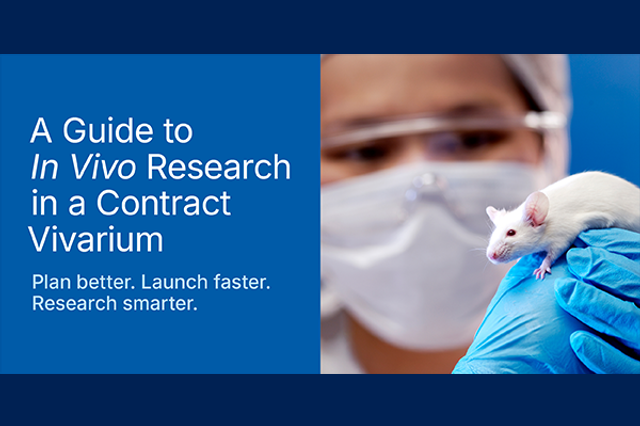
GUIDEBOOK
Plan Better, Launch Faster, and Resource Smarter
This comprehensive guide details how to plan for, transition into, and conduct reproducible, cost-effective studies within a contract vivarium.
One of the biggest advantages of a contract vivarium model is its built-in flexibility, allowing researchers to start small and scale up with ease with flexible space configurations. Whether you need to launch a proof-of-concept study or plan a multi-phase program, look for a contract vivarium that can pivot with your changing scientific demands and has flexible contract options for short- or long-term commitment.
8 Ways to Identify a Strong Contract Vivarium Partner
1. It is Compliant with Regulations
Your contract vivarium partner should operate at the highest ethical and scientific standards. If the data you generate isn't collected in a compliant setting, it may not be regulatory-ready. Avoid rework or rejections by choosing a vivarium that aligns with clinical-stage readiness. Ask about AAALAC accreditation and animal welfare standards.
2. Its Infrastructure is Flexible and Scalable
As your pipeline evolves, your space needs may shift. The right in vivo contract vivarium partner will scale or shift with you. Whether you're running early proof-of-concept studies or IND-enabling work, your needs will change. Your partner should offer flexibility without friction.
3. It is Operated by Skilled Support Staff
Beyond the space itself, your biggest asset is the team that supports your research. A facility is only as strong as its support team. Operational excellence enables scientific confidence.
4. It Can Work with Your Study Timelines
In today's competitive landscape, timing is critical. Delays are costly. A nimble contract vivarium partner helps you onboard, initiate studies, and respond to shifting needs quickly.
5. It is Secure
Your preclinical data is more than a deliverable—it’s the foundation of your IP. Your IP is your company, especially for startups and early-stage innovators. Don’t take any chances with it.
6. It is Conveniently Located
Convenience can improve collaboration and oversight, especially for hands-on studies. Being close to your in vivo vivarium can streamline communication, reduce travel costs, and improve real-time decision-making.
7. It Maintains High Standards
Your contract vivarium partner should operate at the highest ethical and scientific standards. A contract vivarium partner's reputation for quality and consistency is your insurance policy against project risk.
8. It Offers Integrated Services
Working with a contract vivarium that offers a range of integrated research products and services can save time and minimize coordination efforts.
Checklist: What to Ask of a Potential Contract Vivarium Partner
-
1. Scientific Accreditation & Regulatory Compliance
Your contract vivarium partner should operate at the highest ethical and scientific standards.
Key Questions to Ask Why it Matters ✔ Are the in vivo vivarium programs AAALAC-accredited?
✔ Are animal care and IACUC processes transparent and well-documented?
✔ Do they operate with low-stress animal handling?
✔ What pathogen monitoring system do they use?If the data you generate isn't collected in a compliant setting, it may not be regulatory-ready.
Avoid rework or rejections by choosing a vivarium that aligns with clinical-stage readiness. -
2. Flexible & Scalable Infrastructure
As your pipeline evolves, your space needs may shift. The right in vivo contract vivarium partner will scale or shift with you.
What to Look For Why it Matters ✔ Modular space: private suites, shared facilities, or both
✔ Flexible rental options
✔ The ability to add or reduce space easilyWhether you're running early proof-of-concept studies or IND-enabling work, your needs will change. Your partner should offer flexibility without friction. -
3. On-Site Expertise and Operational Support
Beyond the space itself, your biggest asset is the team that supports your research.
Things to Check Why it Matters ✔ Are there experienced veterinarians and technicians on-site?
✔ Can you speak to scientific discovery experts in your therapeutic area (e.g., oncology and immunology)?
✔ How are study deviations or emergencies handled?
✔ What integrated services, products, and equipment are available, and is there preferred pricing?A facility is only as strong as its support team. Operational excellence enables scientific confidence. -
4. Speed to Study Start
In today's competitive landscape, timing is critical.
Things You Should Consider Why it Matters ✔ How quickly can you move in and initiate research?
✔ Are protocols, templates, and IACUC committee member guidance available?
✔ Is access to services digitally enabled for fast self-management?Delays are costly. A nimble vivarium partner helps you go from concept to execution fast. -
5. Data Security & Intellectual Property Protection
Your preclinical data is more than a deliverable; it's the foundation of your IP.
Confirm These Things Before Proceeding Why it Matters ✔ Controlled facility access and secure data storage
✔ Clear IP ownership agreements (you own your work)
✔ NDAs or confidentiality protocols in placeYour IP is your company, especially for startups and early-stage innovators. Don’t take any chances with it. -
6. Location & Accessibility
Convenience can improve collaboration and oversight, especially for hands-on studies.
What You Should Ask Why it Matters ✔ Is the vivarium close to your R&D team, headquarters, or in the biohub?
✔ Can you access it on demand?
✔ Is it part of a larger biotech ecosystem?Being close to your in vivo vivarium can streamline communication, reduce travel costs, and improve real-time decision-making. -
7. Reputation, Reliability, and Client Success
Your vivarium partner should operate at the highest ethical and scientific standards.
What to Check Why it Matters ✔ Does the vivarium have a historical track record of client success and helping to scale research?
✔ Do they serve both startups and established pharma teams?
✔ What do other clients say about their experience using the vivarium?
✔ Do they have long-term partnerships in the industry?A vivarium partner's reputation for quality and consistency is your insurance policy against project risk. -
8. Integrated Services
Researchers should ask about in-house animal service capabilities, partner networks, digital platforms, and whether custom packages can be designed to suit specific research needs.
What to Check Why it Matters ✔ Does the vivarium offer animal model sourcing, colony management, breeding, genotyping, and in-life procedures?
✔ How about pathology, imaging, and bioanalysis?
✔ Can you speak with a scientific drug development expert for guidance on next steps?
✔ Are custom service packages that bundle integrated services available?Easy-to-access and customizable services within the contract vivarium environment enable researchers to save time, minimize coordination across vendors, and maintain tighter control over study variables. It streamlines workflows and helps to prevent unforeseen delays.