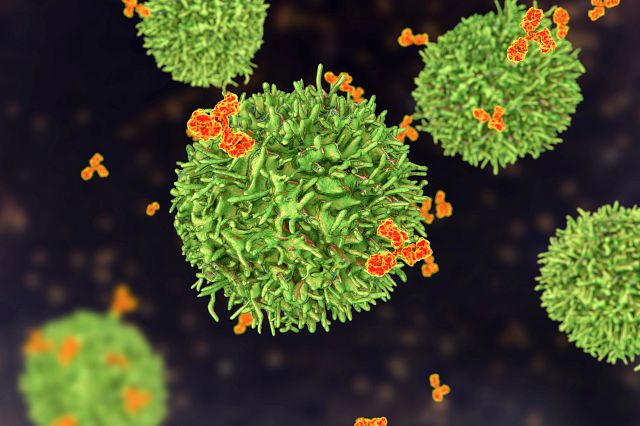
VHH Nanobody Discovery Service Libraries
A single-domain antibody (sdAb), also known as a nanobody or VHH antibody, is a heavy-chain-only antibody traditionally derived from llamas. In contrast to immunization approaches, VHH phage display with synthetic libraries allows for the rapid identification of binders, even against challenging epitopes, while still yielding hits of exquisite specificity and affinity. Our VHH library services for nanobody discovery feature three computationally designed options:
- VHHantage™: High-diversity library combining human frameworks with rationally designed, fully human CDRs for therapeutic candidates
- LlamdA®: Ultra-high diversity CDRs at 10^13 based on original llama frameworks suitable for therapeutic or non-therapeutic applications. Built for reduced CMC liabilities to speed time to the clinic.
- HuLlamdA®: With the same ultra-high diversity as the LlamdA® lilbrary, this humanized version offers low risk CDRs based on human frameworks to limit potential immunogenicity.
We use all three of our nanobody libraries in parallel to provide clients with up to 100 VHH clones for evaluation within as few as six weeks.
Nanobody Phage Display Libraries: Specificity, Speed, and Stability
Working with optimized services and ultra-diverse libraries offers several features to maximize your success:
- Frameworks optimized for maximum developability. Therapeutic antibodies must exhibit favorable pharmaceutical properties, including high thermostability and low aggregation propensity to facilitate manufacturing and storage, as well as to promote long serum half-life. We use established frameworks with low-risk humanization changes, staying close to those of clinically approved nanobodies while maintaining the high diversity of llama CDRs to drive high affinity binding.
- Target selectivity through robust panning. We can stringently select for binders that distinguish between closely related protein family members, or avoid off-target binding. This is critical especially when control over unwanted immune cell activation is needed.
- Discovering cross-species binders. We can introduce murine and cynomolgus cross-reactivity, as well as identify new leads that are species cross-reactive.
- Rapid hit identification and translation. Within six weeks, our nanobody libraries enable the delivery of diverse panels of unique binders with a range of affinities. Hits can be assessed to determine the appropriate affinity and specificity required for successful translation. Clients may also leverage our antibody engineering and optimization, antibody characterization, and custom antibody development services to speed their antibody hit's journey to the clinic.
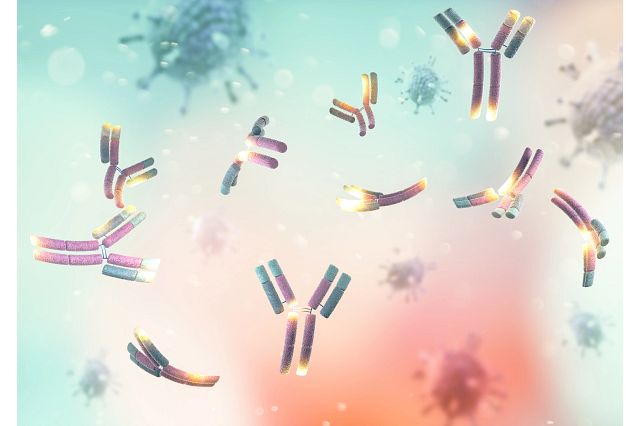
Zero to Antibody Hero: Laying the Groundwork for Preclinical Success
Are you doing everything you can to de-risk your antibody candidates? What does it take to go to preclinical development with a high degree of confidence? View this webinar to follow the journey of an antibody ‘candidate hero’ as it progresses through the early discovery gauntlet.
Watch the Webinar
Our Single Domain Antibody Library is Optimal for CAR-T Applications
Nanobody phage display libraries can be used to develop VHH, CAR-T, and bispecific antibody therapeutics. For CAR-T programs, clients have reported <5% tonic signaling among VHH-based ectodomains. Studies showed that improvements in CAR stability translated to improved CAR surface expression, enhanced in vitro cytotoxicity, unwanted toxicities, and reduction in tonic signaling. Binders identified using our VHH services can easily be engineered into whole CAR constructs.
Frequently Asked Questions (FAQs) About VHH Libraries and Services for Nanobody Discovery
-
What’s the typical workflow using your VHH library for nanobody discovery?
We start panning on soluble protein, nanodiscs, cells and/or peptides after all reagents have passed an initial QC. After several rounds of panning, we pick single bacterial colonies that each express a unique nanobody that has been enriched for binding to the antigen. Sanger sequencing of hits and screening is customized to your project, and can include high-throughput binding, including cell binding assay by FACS or a primary functional screen.
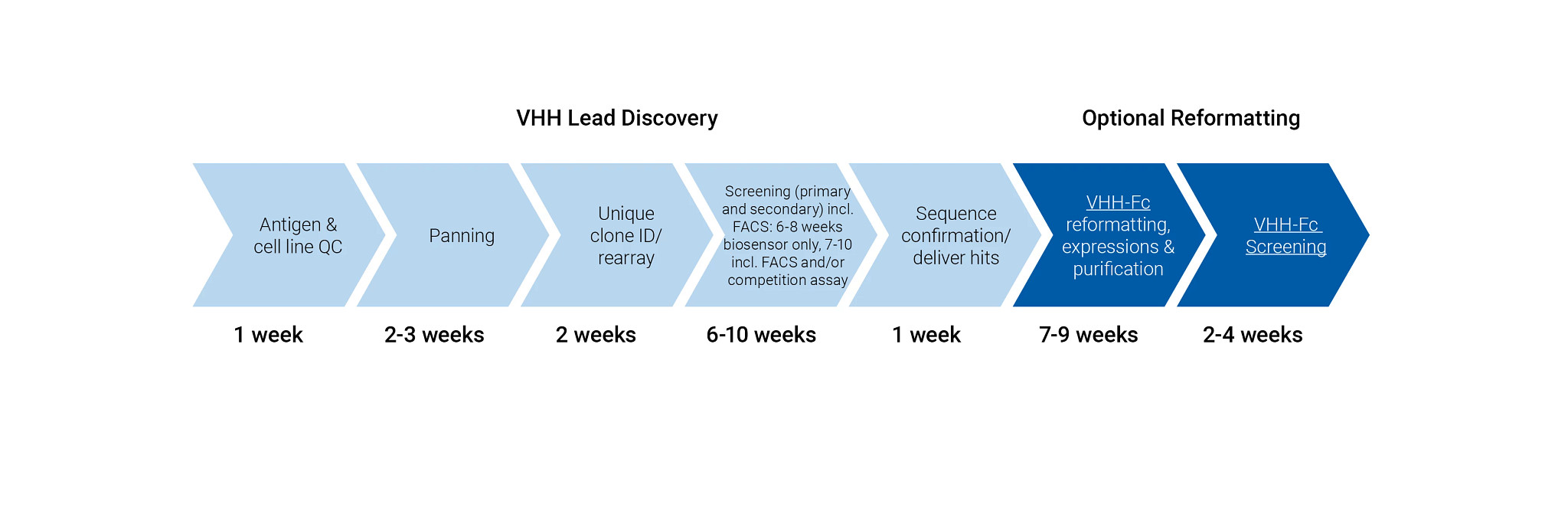
Deliverables include all sequence and binding data (with on/off rates and affinity estimates, when available) for up to unique assayed clones. Following evaluation of the top 100, a final panel is identified for full UP transfer.
We can reformat any selected hit for expression as VHH-Fc, bi-specifics or other desired formats. These molecules are then expressed, purified, and confirmed for binding, either in cell-based format or kinetically.
-
Can I find hits that are suitable for preclinical studies AND fit for clinic?
Yes. Since we can discover mouse/cyno/human cross-reactive lead candidates, there is no need to create a surrogate antibody, saving you time and decreasing your risk.
-
How can I accelerate antibody discovery and development?
It's possible to obtain target-specific and pre-humanized VHH nanobodies using the 3 VHH antibody libraries in as few as six to eight weeks. In addition, Charles River offers a comprehensive antibody discovery and development platform. By utilizing our end-to-end services, you can reduce time and cost for your biologic project. We proudly offer:
-
Is there a need to do llama immunization when using the VHH antibody libraries?
No. Although the VHHantage™, LlamdA®, and HuLlamdA® libraries are naïve style libraries – i.e., they were synthetically designed to contain antibody sequences inspired by animals without specific target class specificity - they reproducibly yield hits of sufficient diversity and affinity that spending the time and resources to develop an immune library is not necessary. Typical affinities coming from the libraries are in the double and single digit nanomolar region; usually not requiring additional affinity maturation steps.
-
Is a VHH library for nanobody discovery suitable for bispecifics, CAR-T, ADCs, and diagnostics?
Yes, biophysically stable nanobodies provide a flexible starting point for many downstream applications and multiple final formatting options.We also provide off-the-shelf and custom cloning vectors to include sites such as sortase (LPXTG) or free-Cysteine to facilitate early conjugation studies to LNPs, fluorophores, oligonucleotides, or cytotoxic payloads.