Prevent Contaminants from Entering Your Vivarium and Affecting Your Research
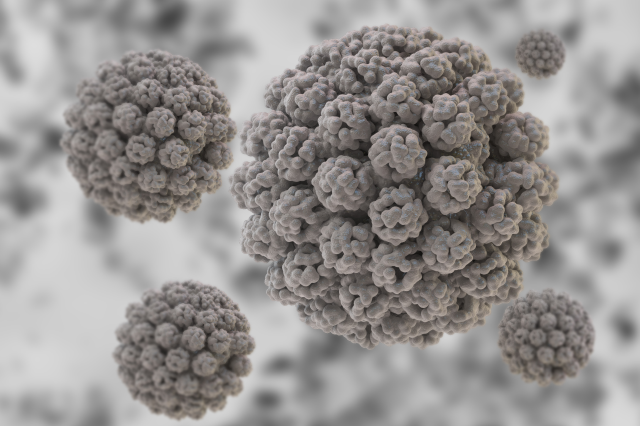
Microbial contaminants of rodent or human origin are often accidentally introduced into laboratory animals as part of a regular investigative procedure. Cell line and biologics testing helps you maintain confidence in your data and vivarium biosecurity by verifying the integrity of your products. To prevent negative impacts, precautionary cell line screening should be performed on biologic materials before release, confirming that they are free of infectious agents and originating from the appropriate host species. Unwanted agents such as C. bovis, mycoplasmas, murine parvoviruses (MPVs), and human herpesviruses (EBV and HHVs) can easily impact an entire colony, causing experimental delays and costly decontamination.
What Does this Mean for the Investigator?
Infectious contaminants can negatively affect xenograft growth, experimental outcomes, and reproducibility, delaying timelines and increasing research costs.
What Does this Mean for the Vivarium Staff?
These pathogens can cause disease, impact animal welfare, and lead to potential outbreaks in animals and humans while increasing operational costs.
Which Biological Materials May Contain Harmful Agents?
| • Rodent- or human-derived cell lines • Transplantable tumors • Tissues • Serum • Growth media | • Embryonic stem cells • Bodily fluids (e.g., sperm, ascites) • Basement membrane matrix (e.g., Matrigel) • Antibody preparations passed through rodents |

Smarter Staffing and Training Solutions to Empower Your Research Team
This webinar will provide best practices and tips for smarter onboarding and how to leverage outsourced staffing and training services. Join our experts as they offer insights to help optimize your internal team.
Watch the Replay
Quality Assurances for Your Research Process
Transplantable tumors, hybridomas, cell lines, blood products, and other biologic materials can be sources of both murine and human viruses that contaminate rodents or pose risks to laboratory personnel; rapid and effective assays are available to monitor microbiologic contamination and should be considered before introducing such material into animals.
Source: Guide for the Care and Use of Laboratory Animals, Eight Edition, National Research Council
How Does Our Sample Collection Kit and Process Work?
Our sample collection kit – which can be requested using our Shipping Supply Request form from LTM Supplies – is provided free of charge. It simplifies the process of screening while using the latest technology to accurately test for pathogens. The kits contain:
- Tubes with Buffer
Tubes are pre-filled with a stabilizing buffer which maintains sample integrity during shipping. View the qualification summary from studies completed by our scientists. - Clear Instructions
Easy-to-follow guide outlining what’s involved in the sample collection process. - Small Sample Requirements
One 500uL aliquot (100mg tissue) is sufficient for all PCR assays, including both the Rodent and Human CLEAR panels. - No Dry Ice Needed for Shipping
Save time and money by shipping in ambient temperatures while preserving sample quality. Receive complimentary overnight shipping in North America. - Continual Customer Support
From sample collection to understanding your results, we will partner with you to meet your unique needs.
TAG CENTER
Do You Have a TAGCenter?
Learn More
WEBINAR
Protecting Your Lab Against Prevalent Pathogens
Watch Now
WHITE PAPER
What Does a Decade of PCR Data Show?
Read Now
Technology and Testing in Our Cell Line Screening Kits
| Free Collection Kits | Cell line collection kits are provided at no charge and may be ordered from LTM supplies |
| Commonly Screened non-GLP Biologics | Cell lines – primary and continuous, cell line products - such as basement membrane matrix proteins, feeder cells (e.g., splenocytes, thymocytes), ascites, purified antibodies, tissues (e.g. tumors, PDX), ES cells, serum, and sperm. |
| Rodent CLEAR PCR Panels | List of the most prevalent rodent agents screened in non-GLP research biologics – customizable with add-on assays |
| Human CLEAR PCR Panels | List of the most prevalent human agents screened in non-GLP research biologics – customizable with add-on assays. |
| Interspecies Identity CLEAR PCR Panel | Standalone panel used for testing research biologics for contamination between cell lines – covers rat, mouse, human, NHP, CHO and Golden Syrian Hamster |
| PCR Testing Technology | Assays are run using TaqMan® PCR technology |
| Qualified by Charles River Scientists | These cell line testing kits were specifically selected to provide maximum stability of your non-GLP research biologics in transit. See details in our qualification summary |
Frequently Asked Questions (FAQs) about Non-GLP Cell Line and Research Biologics Screening
-
Why is cell line screening an integral part of research biologics?
Cell line screening ensures that research biologics are free from contaminants and infectious agents which can compromise reproducibility, delay timelines, and harm animal welfare – safeguarding the integrity of your research.
-
What are the consequences of not testing cell lines?
Not screening cell lines increases the risk of introducing pathogens into your research environment, potentially leading to unhealthy animal models and results that can’t be reproduced, as well as experimental delays and financial losses.
-
What are the benefits of non-GLP cell line screening?
Non-GLP cell line testing supports your research and validates data, providing cost-effective cell line screening for your research without the expenses and timelines associated with GLP compliance.
-
How do I submit my samples to Charles River?
Simply create an order electronically through the Laboratory Testing Management® (LTM™) system – we will deliver your collection kit and provide complimentary shipping with LTM™ Ship (excluding live animals in the continental US).
-
What contaminants does cell line testing detect?
Cell line screening detects pathogens such as viruses, bacteria, and interspecies material, which can affect xenograft take, growth rates, and experimental outcomes. Learn more about our available rodent infectious agent panels and human infectious agent panels.
-
How does cell line testing protect research animals and support the 3R’s?
By identifying infectious agents early in the research process, cell line screening prevents animal models from contracting diseases that can harm animals and disrupt studies.
-
Which non-GLP sample sources are tested?
Cell lines – primary and continuous, cell line products, such as basement membrane matrix proteins, feeder cells (e.g., splenocytes, thymocytes), ascites, purified antibodies, tumors tissue and pellets – are all acceptable submissions.
-
Is there a minimum cell count requirement?
No minimum number of cells is required; however, due to the potential for inhibition due to a large quantity of genomic DNA, please note if the concentration is higher than 5x10⁷ cells/mL.
-
What if I am using media containing antibiotics?
We highly recommend shipping samples that have been passaged without antibiotics at least once prior to submission.