
Infectious Diseases Research - Our Services
Charles River has a strong integrated drug discovery program in infectious diseases with identification and assessment of novel antimicrobials, antivirals, and vaccines using established in vitro assays and in vivo models. Our in-house expertise enables us to work with you to optimally design experiments to determine the efficacy of anti-infectives. We can support you in early proof of concept and the selection of your key candidate drugs.
- Disease Areas
- Discovery Services
- Research Models and Services
- Translational Immune Biomarkers
- Safety Services
In vivo infection pharmacology models can be carried out with or without an array of ex vivo and in vitro readouts tailored to the host response and/or pathogen, as appropriate.

Sepsis
There are numerous ways to establish and study sepsis. Different models include induction of sepsis by different routes of infection such as intravenous infection, lung infection, and others.

Influenza
Models of viral infection can be adapted to both immunization and anti-viral efficacy studies. A variety of in-life in vivo readouts and ex vivo, in vitro readouts can be added to understand the efficacy of the test therapeutic.
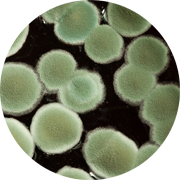
Urinary Tract Infection
The establishment of a successful UTI model to produce a suitable therapeutic window and evaluate the efficacy of an anti-microbial therapeutic is highly dependent on selecting the right infecting bacterial strain. Charles River can provide in-house validated bacterial strains or a custom design with the sponsors’ selected pathogen.
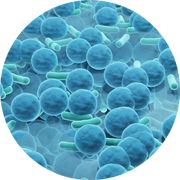
Wound/Skin Infection
As with all infections, the strain and inoculum can define the success of the model. Charles River offers both deep wound and superficial skin/wound infections. In vivo imaging is particularly beneficial for this model, allowing in-life tracking of bacterial dissemination or clearance.
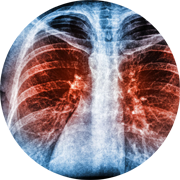
Bacterial Lung Infection
Clinically relevant infection models (e.g., lung infection) allow common pathogens to be evaluated against anti-microbials. Both acute and chronic infections can be established alongside in vivo imaging and a variety of ex vivo readouts.
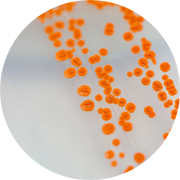
Neutropenic Thigh Infection
A thigh infection can be an early pharmacology model, if a novel therapeutic has a broad reach and potential to work against a variety of pathogens. While less clinically relevant for certain pathogens, a neutropenic thigh infection model is a quick way to assess efficacy. As with other in vivo infection pharmacology models, in-life and ex vivo endpoints can be added.

Gastrointestinal Infections
The cecal ligation and puncture model can be used to establish a gut infection which naturally progresses to sepsis. By modifying the location of the ligation, the severity of infection can be altered. Gastrointestinal infections can also be established by oral administration of pathogens.
RSV
A mouse in vivo model is coming soon.
In Vitro Biology and Microbiology
Anti-microbial Screening
For the determination of minimum inhibitory concentration values (MIC), MBC, and time-kill kinetics against industry standards and a range of isolates, together with pathogen specific in vitro biology assays.
Anti-viral Screening
For the determination of therapeutic cytotoxicity (CC50) prior to establishing anti-viral effects on a wide range of viral pathogens in vitro (EC50).
Anti-fungal Screening
For determining MIC and MBCs against hazard group 2 pathogens like Candida and Aspergillus species.
In Vivo Pharmacology
A range of infectious disease in vivo pharmacology models are available from acute infections, such as thigh infections, to longer chronic infections with clinically relevant pathogens.
Vaccine Development
To fully support efficacy testing of novel vaccines, a variety of administration regimes can be investigated with the relevant pathogen.
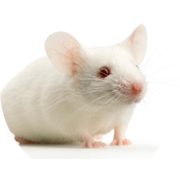
Animal Models
Explore our infectious disease model portfolio to select the right model for your next study.
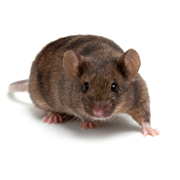
Model Creation Services
Our expert staff can guide you from concept to transgenic model creation and deliver the animal models you require for your current and future studies.
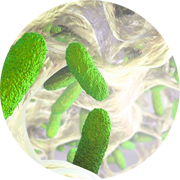
Rodent Infectious Agent Testing
Understanding the infectious agents that can contaminate your research animal facility allows you to develop a plan to manage or prevent an outbreak. Lab animal infectious agent testing can detect different viruses, bacteria/fungi, and parasites prevalent in laboratory rodents and rabbits.

Animal Health Surveillance
Our animal diagnostic laboratory delivers sensitive and specific testing to screen your animal facility, research biologics, and different species of animal models.

Colony Management, Embryology, and Breeding Services
If an existing genetic model is a better fit for your research, we can help get it clean, rapidly expand a colony, and deliver cohorts to meet your needs.

We support you in identifying biomarkers modulated by target engagement with the test compound, whether they are readouts of the infectious agent, or the immune response invoked. These can subsequently be employed as PD biomarkers in early-phase clinical trials to confirm proof-of-mechanism in humans.
Our scientific team will support your safety assessment program through the following:
Endpoints and Capabilities
• BSL2 laboratory and vivarium space
• Bacterial enumeration in tissues and organs
• Inoculation routes, including but not limited to intratracheal, nasal, intravaginal, and intramuscular
• BSL2 challenge studies (with a few exceptions based on review of the challenge material)
• Frozen bacterial stocks and ATCC availability
• Antigen-specific responses (titering and isotyping)
• Phagocytosis
• T helper cell (Th1/Th2) ex vivo analysis