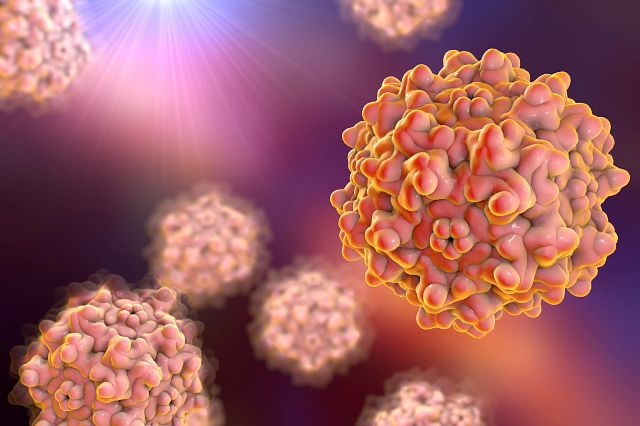
基因治疗病毒载体生产制造服务
作为病毒载体 CDMO,我们明白没有一种单一生产策略能够对所有 CGMP 病毒载体制造项目都最为适用。我们提供多种生产方法的灵活性和专业知识,帮助决定哪种工艺最能满足您的需求。如果您尚未准备好进行 CGMP 病毒载体制造,请参阅我们的研究级病毒载体包装服务了解更多信息。
我们经验丰富,并致力于将您的病毒载体基因治疗项目放大到适合患者的临床产品所需的质量。了解我们的病毒载体生产平台系列:
病毒载体生产平台
-
了解我们的病毒载体工艺开发服务
生产阶段 目的 提供的服务 上游 优化规模放大和生产的参数,包括培养和转染条件 - 使用按比例缩小的模型(iCELLis® Nano、T 型烧瓶、摇瓶、10L 搅拌釜反应器)进行工艺优化
- 细胞系改造和调整
- 介质/补料筛选和优化
- 转染/感染优化
- 高密度细胞培养和转染/感染
- 收获、裂解和纯化
下游 优化产品回收、纯化和配方程序 - 柱色谱和膜色谱(亲和、离子交换、尺寸排阻、混合模式、自动色谱平台)
- 生物工艺过滤(切向流、中空纤维、深度过滤)
- 超速离心
CGMP 质量控制服务 确保最终 CGMP 药物产品的安全性、效力、纯度和特性 - 配方研究
- 样品瓶兼容性研究
- 病毒清除研究
- 病毒稳定性研究
- 长期稳定性研究
- 检测方法开发
1.上游阶段涉及材料扩大和生产所包括的所有程序的优化。
2.下游阶段包括与回收、纯化和最终产品浓度相关的流程优化。
3.工艺开发的最后阶段包括与产品安全性、效力、纯度和特性相关的检测方法开发。 -
Upstream Production
We adopt a fully single-use upstream production process using our robust platform in adherent HEK293T cells.
-
Downstream Purification
Vector material is harvested, clarified, and (depending on the scale) purified by ultracentrifugation or affinity chromatography and ultracentrifugation using fully single-use materials. The platform process couples high recovery with high purity.
-
Aseptic Fill Finish
Several aliquot sizes are available, depending on batch size, to suit your application.
-
In-House Analytics
In addition to providing genome titer determination, as a market leader in analytics, we offer a range of optional QC tests such as endotoxin, bioburden/sterility, and SDS-PAGE.

Insights to Support your CGT Program
Optimize your viral vector manufacturing strategy with case studies covering the transition from adherent to suspension culture, the "QC Tax", and EU vs. US regulatory standards.
Watch On Demand
From Concept to Cure
Cell and gene therapies have the potential to transform patient care by providing life-changing treatments for genetic illnesses. Our viral vector CDMO team offers end-to-end workflows from early discovery including viral vector research products and services through GMP manufacturing to commercial scale. We work with you every step of the way to ensure your therapeutic meets the highest standards of quality, regulatory compliance, and safety.
Frequently Asked Questions (FAQs) About Viral Vector Manufacturing
-
What is the time frame for generating clinical-grade viral vectors?
The production of clinical-grade viral vectors can traditionally take 10-15 months to complete, as there are many steps involved in the process to ensure the quality and safety of the final product.
Charles River’s established nAAVigation® (AAV) and Lentivation™ (LVV) production platforms have the capability to cut a viral vector gene therapy program timeline to GMP by more than half versus traditional process development, translating to fewer than eight months for AAV and seven months for lentiviral vector.
The first stage of any campaign is process developbment, in which various parameters involving the source plasmids, producer cell lines, and purification methods are optimized and then scaled up to generate the increased amounts of material required for clinical trials.
Production Stage Purpose Process Development Services Upstream Optimization of parameters for scale-up and production, including culture and transfection conditions - Process optimization using scale-down models (T-flask, shake flask, 10L stir tank reactor)
- Cell growth optimization
- Media/feed screening and optimization
- Transfection/infection optimization
- High-density cell culture and transfection/infection
- Harvest, lysis, and clarification
Downstream Optimization of product recovery, purification, and formulation procedures - Column and membrane chromatography (affinity, ion exchange, size exclusion, mixed-mode, automated chromatography platforms)
- Bioprocess filtration (tangential flow, hollow fiber, depth filtration)
- Ultracentrifugation
GMP QC Services Ensures safety, potency, purity, and identity of final GMP drug product - Formulation studies
- Vial compatibility studies
- Viral clearance studies
- Viral stability studies
- Long-term stability studies
- Assay development
Once the scale up is complete a series of runs are performed to determine if the process and procedures yield the expected amount of virus and if the runs comply with regulatory guidelines. Quality control testing is conducted during this time to confirm the final product’s identity and purity, and finally, sterility and stability testing are performed to determine if the final product is deemed ready for use in patients.
-
How to choose a viral vector production platform?
Many factors affect the decision of what type of viral vector to use in your experiment. Some considerations include how well the virus infects target cells, whether it integrates into the host genome, what size insert it can accommodate, and whether it will elicit an immune response. Our viral vector CDMO experts have the know-how to help you decide which platform is right for your specific needs. Speak with the team to explore your needs and to start your viral vector manufacturing journey.
Get your copy of our Viral Delivery Guide and choose the right viral vector for your research.