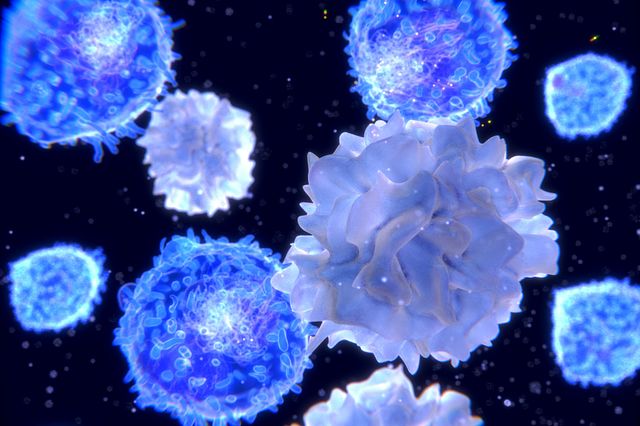
With over 75 years of experience, we have a unique and unsurpassed portfolio to support the development and execution of cellular therapy programs from animal model selection to discovery and safety evaluations, through clinical and commercial-scale development and manufacturing. Our facilities in the United States, Canada, United Kingdom, Finland, Netherlands, and Germany form a global scientific network, allowing us to provide our clients with flexible, comprehensive solutions to maximize resources and optimize results.
Scaling Up for Success: Preparing Your Gene or Gene-Modified Cell Therapy for IND Filing
Scaling up both manufacturing programs and processes of gene and gene-modified cell therapies in preparation for IND filing presents significant challenges. This webinar addresses the benefits of a full-funnel approach, which will help you meet regulatory requirements from the very beginning, as well as other key development considerations.
Watch the Webinar
- Animal Models
- Discovery
- Efficacy & Safety Assessment
- Regulatory & Clinical Translation
- Manufacturing Services and Products
- Biologics Testing Solutions
- Microbial ID
- Endotoxin Testing
- Microbial Detection
Careful choice of a species is a must for cellular therapy programs, one that is both appropriate for proof of concept studies and pharmacologically sensitive that will serve as a progressive host for the specific therapeutic in development in consideration of the intended clinical route of administration. Multiple Charles River locations offer immunodeficient rodent models, large animal models, neonates, surgically altered models, and tumor/syngeneic models for both pilot and safety assessment studies for a range of therapeutic areas including but not limited to inflammation, bone disease, neuroscience research, and metabolic disease. Our surgeons have vast experience in surgical cell implantation methods which mimic clinical routes of administration (e.g., injection into the brain or spinal cord using stereotaxic devices or intraocular instillations).

Case Study: Evaluating Multiple Vectors in a Single Eye
A custom surgical technique to create four independent subretinal injection sites within a single eye for a gene vector.
Download Case Study
Related Cell Therapy Services & Products
- Genetically Engineered Animal Models & Services
- Immunodeficient Mice & Rats
- Surgical Models
- Syngeneic Mouse Models
Related Resources
Related Insights
In vivo stem cell engraftment: Learn how engrafting various types of stem cells into animal models can predict translation to human patients.
In vivo and in vitro pharmacology models: Understand how a cell therapy might treat a specific disease area, for example in vitro and in vivo CAR-T testing.
In vivo imaging: Translational preclinical imaging methods that bridge preclinical studies in small animals and clinical endpoints.
Engineered antibody libraries: To develop immune cell therapies.
Stem cell platforms: Improve translation and reduce risk of clinical failure with disease-relevant human induced pluripotent stem cells (iPSCs) derived cells.
Cell Microarray Technology: To uncover exploitable drug targets and screen for potential off-targets.
Critical elements of a preclinical program strategy for a cellular therapy product include a well-characterized product, clinically relevant and robust animal models that allow for characterization of exposure and effects expected in humans, and reliable and sensitive methods of cell detection. These tools are used in characterization, proof of concept, pilot and definitive biodistribution studies, as well as toxicity evaluations. While using available guidance and objectives from traditional toxicology programs in planning safety studies, we advise taking a multidisciplinary approach and partnering with us to build a team of our toxicology experts, immunologists, discovery scientists, and regulatory advisors who will work closely with regulatory reviewers at the Center for Biologics Evaluation (CBER) and other regulatory authorities to ensure program success.
Related Cell Therapy Services & Products
- In Vivo Pharmacology Studies
- Molecular Imaging
- Molecular Biology
- Molecular Pathology
- Immunohistochemistry & In Situ Hybridization
- Toxicology Services
- Immunogenicity Assays
Related Resources
- How to Design & Execute Successful CAR T Cell Therapy Programs (Available in The Source℠)
- A Pathologist’s Perspective on Developing and Evaluating Stem Cell Therapeutic Products (Available in The Source℠)
- Use of pluripotent stem cells and stem cells derived neurons in support of drug discovery and target validation (Available in The Source℠)
- Graft versus host disease in CD34+ human hematopoietic stem cell treated NSG mice
- In Vitro Cytotoxicity Testing of CAR T Cells
Related Insights
Our scientific experts, including a former FDA reviewing pharmacologist at the Centers for Drug Evaluation and Biologics Evaluation (CDER & CBER), have a deep understanding of regulatory expectations to help design the best strategy to advance a cellular therapy program. Having this scientific support is particularly crucial for cell therapy product development, as reviewers at CBER/FDA highly encourage pre-IND meetings from the Office of Cell, Gene, and Tissue Therapy at the start of each program to discuss current standards of practice in relation to the specific cellular therapy being developed. Not only can they assist with IND filing, but they can also help to identify clinical trial risk mitigation steps, establish clinical biomarkers to address translation gaps, and prepare for BLA filing.
Related Cell Therapy Services & Products
Related Resources
- Cell therapy CDMO services
- Plasmid DNA CDMO services
- Viral vector CDMO services
- Molecular cloning services
- Viral vector packaging services for research discovery
- Plasmid and viral vector products
Testing
In order to develop a cellular therapy program that meets regulatory expectations, the cell source, type, and degree of manipulation must be considered to establish well characterized cell product manufacturing practices and controls that assure product quality and consistency, essential to safety studies. Charles River’s characterization capabilities include identity and composition, viability and stability as well as purity and sterility. To properly identify the cells, a series of translation biomarkers must be developed, including morphology, surface, and genetic markers–qualified and optimized for the cell target that reveal pharmacologic actions that are then used for lot release and serve as tools for evaluating in vivo safety study results.
In addition, all manufacturers of cell therapy products are required to assess the ability of the manufacturing process to generate a product safe for human use. Therefore, a viral clearance study is performed to evaluate key steps of the manufacturing process to ensure that it is effective at removing or inactivating viruses. Our scientists have extensive experience in the design and performance of viral clearance studies and we take a customized approach in the selection of process steps and model viruses, scaling-down of purification processes, and subsequent design of study protocols to ensure a successful program is established and reported to meet timelines.
Related Services
Related Insights
Inaccurate identification of microorganisms, within your facility, can halt cell therapy product production during parametric release. AccuGENX-ID® utilizes Sanger sequencing technology, our BacSeq bacterial identification of the 16S rRNA gene and FunITS fungal identification of the ITS2 region. These services offer reliable and accurate results in as little as six hours.
Similar to our AccuGENX-ID® methods for bacterial and fungal identification, our AccuGENX-ST® sequence typing uses standard molecular biological methods to characterize your isolates to the strain level. The resulting DNA sequences, or sequence types, are compared to others in a database and the relationships, similarities and/or differences, are displayed in a phylogenetic tree. Providing accurate strain level characteristics allows you to definitively track the source of contamination and/or verify and track known production strains within your facility.
Endosafe® cartridge technology offers features that will particularly benefit Cell and Gene Therapy labs due to the nature and volume of samples produced by cell and gene therapies. Endosafe cartridge technology can be used with our handheld, portable rapid endotoxin testing Endosafe® nexgen-PTS™ or our multi-cartridge system, Endosafe® nexgen-MCS™, for results in 15 minutes. Because the archived standard curve is included in the LAL endotoxin testing cartridge, the nexgen-PTS or nexgen-MCS is easy to use and technician variability is reduced meaning lower retest rates saving you time and resources. The Endosafe cartridge technology offers swift results, which allows cell and gene therapy firms to release life-saving cell therapy products quickly.
Article: Complete intra-laboratory validation of a LAL assay for bacterial endotoxin determination in EBV-specific cytotoxic T lymphocytes
Fondazione RiMED - IRCCS-ISMETT Hospital describes their unique and complete validation approach for assessment of endotoxins in ATMP release tests using the Endosafe®-PTS™.
Read Now
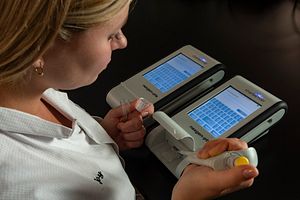
Poster: Validation Of Endotoxin Testing For CAR T-cell Manufacturing Quality Control
See how the Endosafe® nexgen-PTS™ is used to detect endotoxins in CAR T-cell products. Poster was presented at the International Society Gene & Cell Therapy 2020 meeting.
Download Now
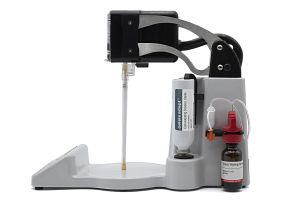 As short shelf-life therapies and advanced therapy medicinal products (ATMPs), such as cell and gene therapies, continue to grow in importance, so does the need for a test method as advanced as these therapies. The Celsis Adapt™ Concentrator and Celsis Adapt™ Cell Reagent Kit can overcome the unique challenges to accelerate cell, gene, and ATMP production and commercialization.
When considering the additional applications for Celsis® ATP bioluminescence, including rapid sterility testing for product release in just three days, companies can now utilize a single rapid microbiological method for their entire production process.