
Preclinical GLP Toxicology Studies
Preclinical toxicology studies are an essential part of drug development as they help to evaluate the potential safety and toxicity of a drug candidate before it is tested in human clinical trials. These studies play a pivotal role in identifying the appropriate dose range for a drug candidate and can provide information about potential side effects and adverse reactions. Preclinical toxicology studies help determine the potential risks and benefits of a drug candidate and can provide a basis for regulatory approval.
Successful toxicology studies demand the contributions of skilled study directors, toxicologists, pathologists, veterinarians, surgeons, regulatory specialists, and support personnel. With a strong mechanistic understanding of toxicology, our team can efficiently determine potential risk factors early in the drug development or agrochemical registration process. Many of our scientists have served on, or are currently participating in, regulatory and industry body working groups, shaping the future of our studies. Because we are on the front lines, we ensure that our products, services, and processes keep pace with the rapid evolution of science, technology, and the ever-changing needs of your product development.
New SEND Guidance Notice:
As of July 15, 2020, the Food and Drug Administration (FDA) Center for Biologics Evaluation and Research (CBER) has released a Federal Register Notice announcing the requirement of support of CDISC Standard for the Exchange of Nonclinical Data (SEND). Learn More about this notice.

Lay Proper Toxicology Groundwork for a Successful Preclinical IND Submission
Amid the shifting sands of preclinical drug development, general toxicology research remains the cornerstone of a successful IND program. Your sprint to market requires a solid foundation of informed planning and forward thinking. This webinar delves into the factors to consider when you’re laying the groundwork for your product’s safety profile.
Watch Now
Do you have the toxicology services necessary to move my project forward? Simply, Yes.
Your drug development needs are unique and customized preclinical programs are the new normal. Our experts have more than just general toxicology knowledge, explore all the specialty toxicology services available to you.
The staff and Study Director collaborated, offering recommendations throughout the study duration ensuring and enhancing the excellent study conduct and outcomes. Regular communication and several site visits provided insight and assurance. This was further confirmed when FDA conducted a targeted inspection of our study with no findings.”
Charles D. Miller DVM, PhD, VetSafe, LLC
Toxicology Services
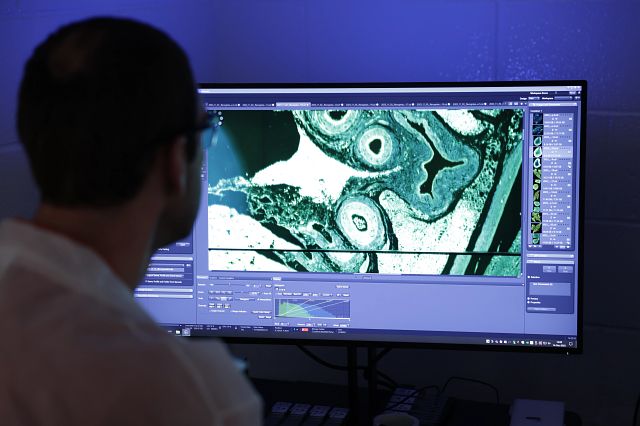
Unlock Faster, Smarter Toxicology Decisions
Learn how real-time toxicology data and digital pathology drive accelerated decision-making and reduce costly delays.
Watch the Webinar
Routes of Administration
- Dermal
- Implant
- Inhalation
- Intraarticular
- Intranasal
- Intrathecal
- Intravaginal and intrapenile
- Intravesicular
- Ocular
- Oral (gavage, diet and capsule)
- Parenteral (intravenous, subcutaneous, intradermal, intramuscular and intraperitoneal)
- Rectal
- Infusion (bolus, intermittent, continuous)
Support Services
- Scientific and strategic consulting
- Specialized statistical analyses
- Toxicokinetics and pharmacokinetics

WEBINAR: Maximize Safer, Targeted Biologic Development with Smarter NAMs-Based Off-Target Screening
This webinar showcases how the Retrogenix® platform empowers smarter, earlier decisions across biologic formats. You’ll also learn how this platform, recently accepted into the FDA’s ISTAND Pilot Program, aligns with evolving regulatory support for NAMs and the shift toward reduced animal use.
Watch the Replay
Frequently Asked Questions (FAQs) About GLP Toxicology Studies
-
What are GLP toxicology studies?
GLP toxicology studies, also known as Good Laboratory Practice toxicology studies, are standardized studies that are conducted according to specific guidelines and regulations. The duration of a GLP toxicology study can vary depending on a number of factors, including the type of study being conducted and the species of animal being used.
-
How do toxicology services support drug development?
The data generated are evaluated in order to scientifically extrapolate potential effects in humans. The evaluation of risk relative to human safety is assessed not only by the degree and type of toxicity, but also by potential reversibility or irreversibility of effects. For studies supporting the development of human therapeutics, the scientific interpretation of these data is used to select, the most appropriate dose levels for utilization in human clinical trials.
-
How do toxicologists help drug developers identify risks earlier in development?
Nonclinical study results provide data that are used to identify, evaluate, and manage risk. This is achieved by designing and conducting studies that maximize data assessment to identify areas of concern in the toxicity profile. This allows for reasonable extrapolation to humans (risk versus benefit). When areas of concern are identified, additional studies or investigations may be needed prior to the first administration to humans, or to register a new chemical substance or agrochemical active entity.
-
How long are GLP toxicology studies?
Generally, a GLP toxicology study can last anywhere from several weeks to several months, with most studies lasting three to six months. The duration of the study will depend on the specific goals and objectives of the study, as well as the type and amount of data that needs to be collected.
For example, a short-term GLP toxicology study, such as an acute toxicity study, may last for just a few weeks, while a long-term GLP toxicology study, such as a carcinogenicity study, may last for several months or even years. Ultimately, the duration of a GLP toxicology study will be determined by the specific research objectives and the regulatory requirements for the study.
-
What is the purpose of preclinical toxicology studies?
The purpose of preclinical toxicology studies is to evaluate the potential harmful effects of a chemical, drug, or other substance on living organisms. These studies are an essential part of drug development and other research areas, as they help to identify potential safety concerns and assess the toxicity of a substance.
Preclinical toxicology studies can be conducted using a variety of different methods, including in vitro techniques, animal models, and human clinical trials. The specific goals and objectives of a toxicology study will depend on the substance being tested and the research question being explored.
For example, a toxicology study may be conducted to assess the potential short-term or long-term effects of a substance on the health of an organism, to evaluate the potential harmful effects of a substance on the development or reproduction of an organism, or to assess the potential for a substance to cause genetic damage.
Overall, the purpose of preclinical toxicology studies is to provide crucial information and insights that can help to ensure the safety and effectiveness of new drugs and other products.
-
What are the different types of toxicity studies?
There are several different types of toxicity studies that are used to assess the safety and toxicity of a substance, including:
- Acute toxicity studies: These studies are designed to evaluate the potential harmful effects of a substance on an organism after a single exposure or a short series of exposures.
- Subchronic toxicity studies: These studies are designed to evaluate the potential harmful effects of a substance on an organism after repeated exposure over a longer period of time, typically between 90 and 180 days.
- Chronic toxicity studies: These studies are designed to evaluate the potential harmful effects of a substance on an organism after long-term exposure, typically over the course of several months or even years.
- Developmental toxicity studies: These studies are designed to evaluate the potential harmful effects of a substance on the development of an organism, such as a fetus or an embryo.
- Reproductive toxicity studies: These studies are designed to evaluate the potential harmful effects of a substance on the reproductive capabilities of an organism.
- Genotoxicity studies: These studies are designed to evaluate the potential harmful effects of a substance on an organism's genetic material.
Overall, these different types of toxicity studies are used to assess the safety and toxicity of a substance from different perspectives and over different time scales.