Formalin Test in Mice and Rats
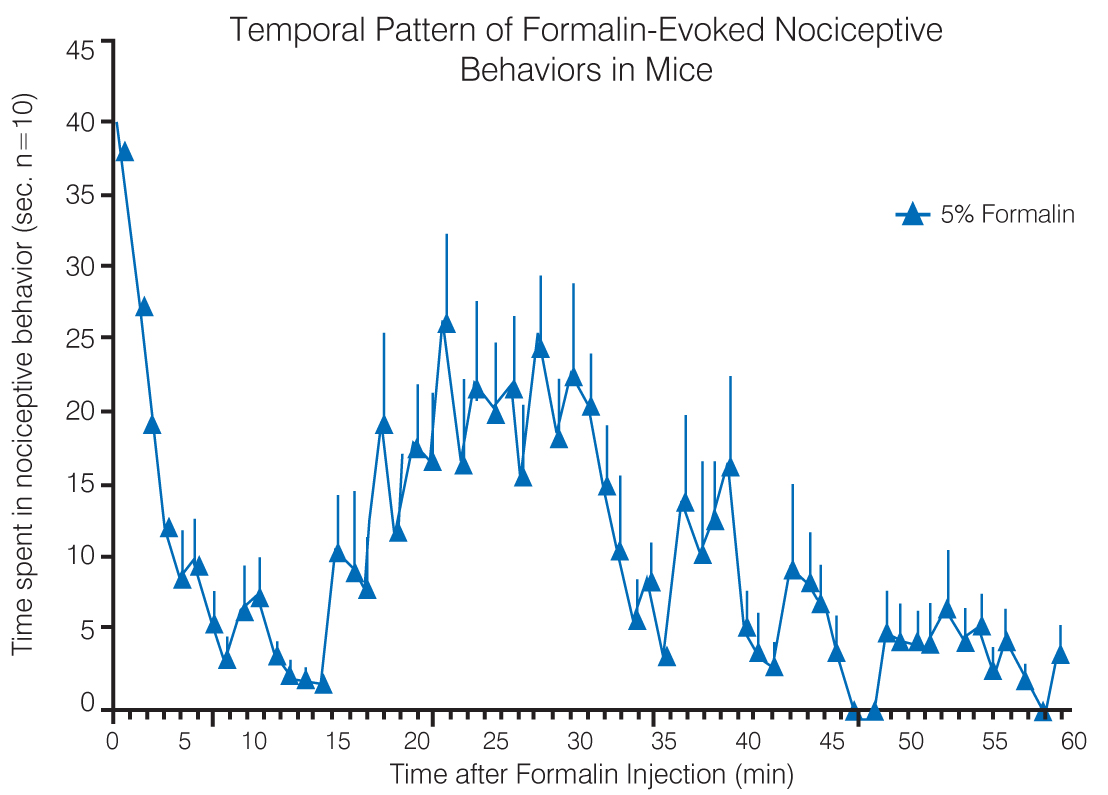
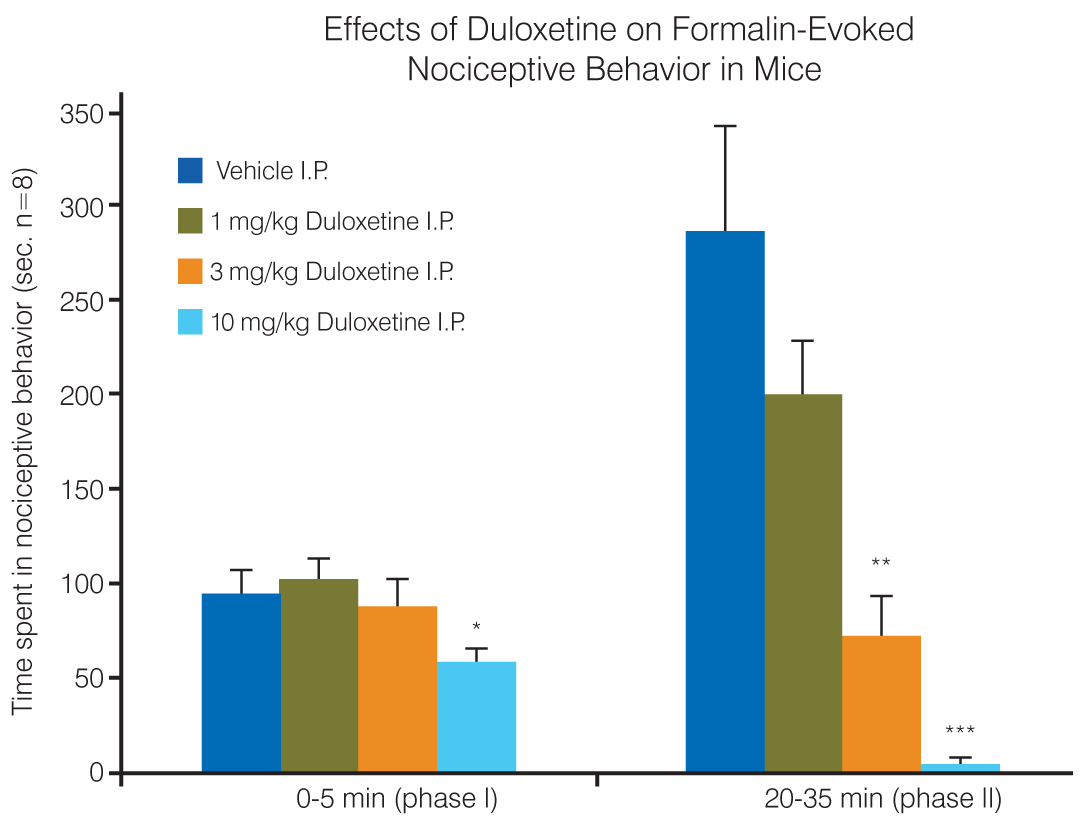
The rodent formalin test is widely utilized as an acute and rapid in vivo screening study for evaluating the potential analgesic effects of novel chemical entities. Injection of formalin into the rodent’s hind paw induces biphasic nociceptive behavioral responses. The early-phase response is considered to arise from direct activation of the small primary afferents, while the late-phase nociceptive response is considered to arise through sensitization of central nervous system neurons within the dorsal horn, a phenomenon considered to be involved in neuropathic pain. Thus, the second phase of the model could be utilized as an acute screen for molecules targeting neuropathic pain.
Charles River offers this study in both mice and rats to screen your novel compounds. The study is executed by video recording of formalin-induced nociceptive behavior followed by off-line scoring of the video data, which increases throughput and reduces observer biases.
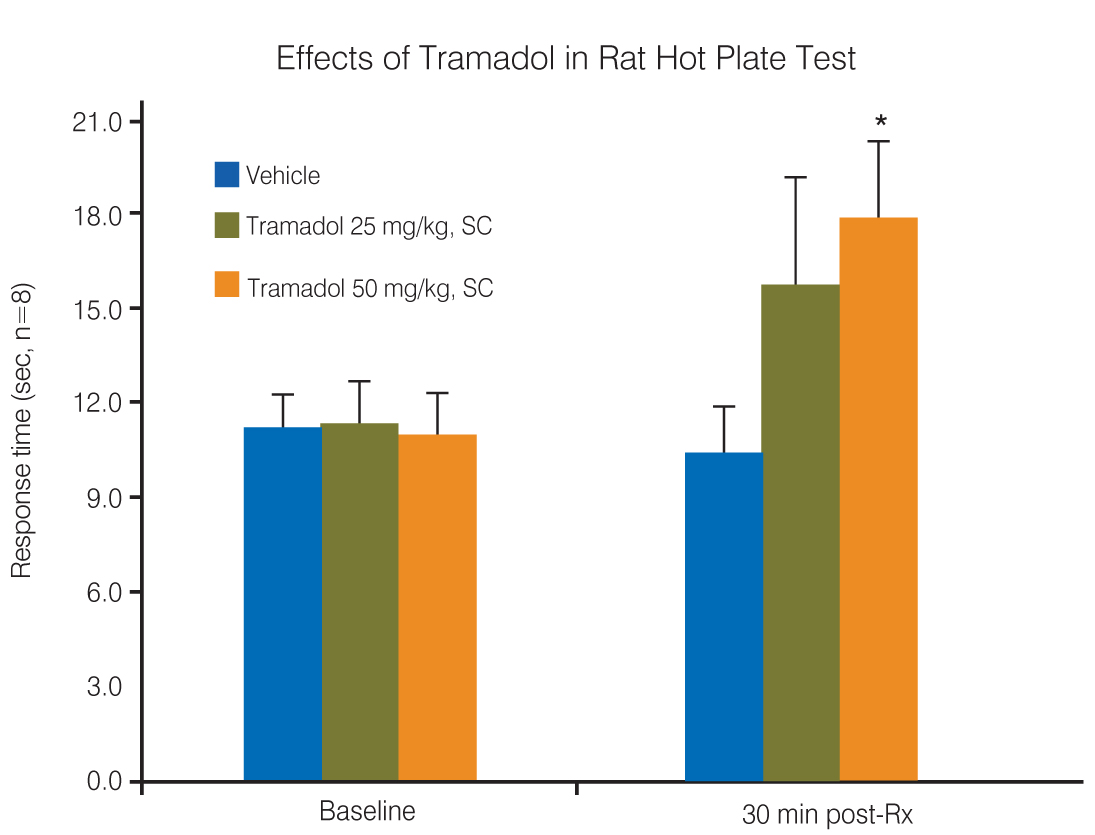
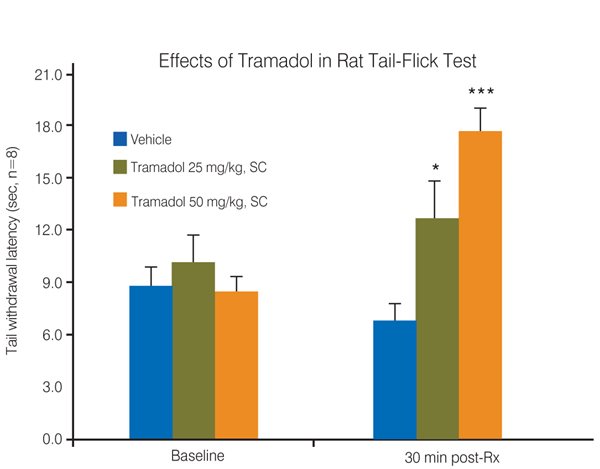
Formalin-induced Pain Model Study Data
How can we support your nociceptive pain research?
Frequently Asked Questions (FAQs) About the Rodent Formalin Test
-
How sensitive is the formalin test? How many stages of pain response can be distinguished?
When measuring sensitivity as intensity of response, the formalin concentration determines response level to a small extent. 1%, 3% or 5% formalin can be used— 5% formalin induces a very intense response in phase 1. Pain responses are in two phases with an interphase with no or very low pain response.