Animal Models of Pain to Test Novel Analgesics
Charles River conducts several hundred disease model studies on candidates targeting various types of pain including acute pain, inflammatory pain, and neuropathic pain. We have developed a variety of clinically relevant pain models that have been validated using existing and novel methods to effectively test new therapeutic candidates.
Exploratory Toxicology for Neuroscience Drug Discovery
This eBook describes strategies across the early stages of drug discovery to support confidence in your lead small molecule candidate and to ensure you proceed through the drug development process with the most promising candidate.
Download eBook
Acute and chronic pain management therapies are a major segment in neurological drug discovery, and many types of pain are still devoid of effective treatment. In 2016, 11 new pain-focused candidates were identified and continue to be each year. Interestingly, therapies that effectively block acute pain often produce poor results in chronic pain conditions, so it is essential to test candidates in pain studies using relevant models for acute and chronic pain.
Acute Pain Models/Nociceptive Pain Models
Acute pain is defined as a normal physiological response to external noxious stimuli and serves as a protective early warning system for the body. Acute phasic pain where the stimulus can be withdrawn is typically measured using the following well-studied protocols:
- Tail flick test
- Hargreaves thermal test
- Hot plate test
- Paw pressure test
- Pin-prick test
Acute tonic pain where there are short stimuli is typically measured using the following tests:
- Formalin test
- Acetic acid writhing test
- Capsaicin test
-
Acute/Nociceptive Pain Validation Data
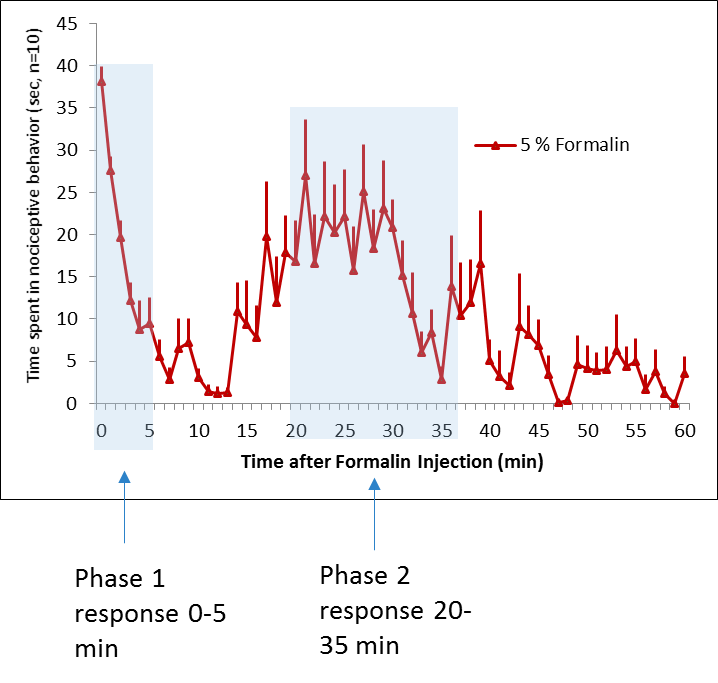
Figure 1: Bi-phasic nocifensive behavioral response in response to formalin exposure in an acute pain model.
Chronic Pain Models/Inflammatory Pain Models
Inflammatory pain is usually caused by tissue injury, arthritis, or tumor growth. Tissues that are damaged due to infection, tumor growth, or injury typically show an inflammatory response, which triggers a pain reaction. Pro-inflammatory molecules activate nociceptors evoking responses such as allodynia and hyperalgesia. Inflammatory pain models target both acute and chronic inflammatory pain depending on the stimulus that includes carrageenan and capsaicin.
- Chronic joint pain models including MIA, gout pain, and arthritic pain
- Acute inflammatory pain models
- Complete Freund’s Adjuvant (CFA)
- Carrageenan inflammation model (paw edema)
- Zymosan paw edema
- Intra-colonic capsaicin
- Peripheral neuroinflammation model using CFA induce neuroinflammation
-
Chronic/Inflammatory Pain Validation Data
Figure 2: Effect of diclofenac on the rat CFA Neuroinflammation model measure using heat hyperalgesia
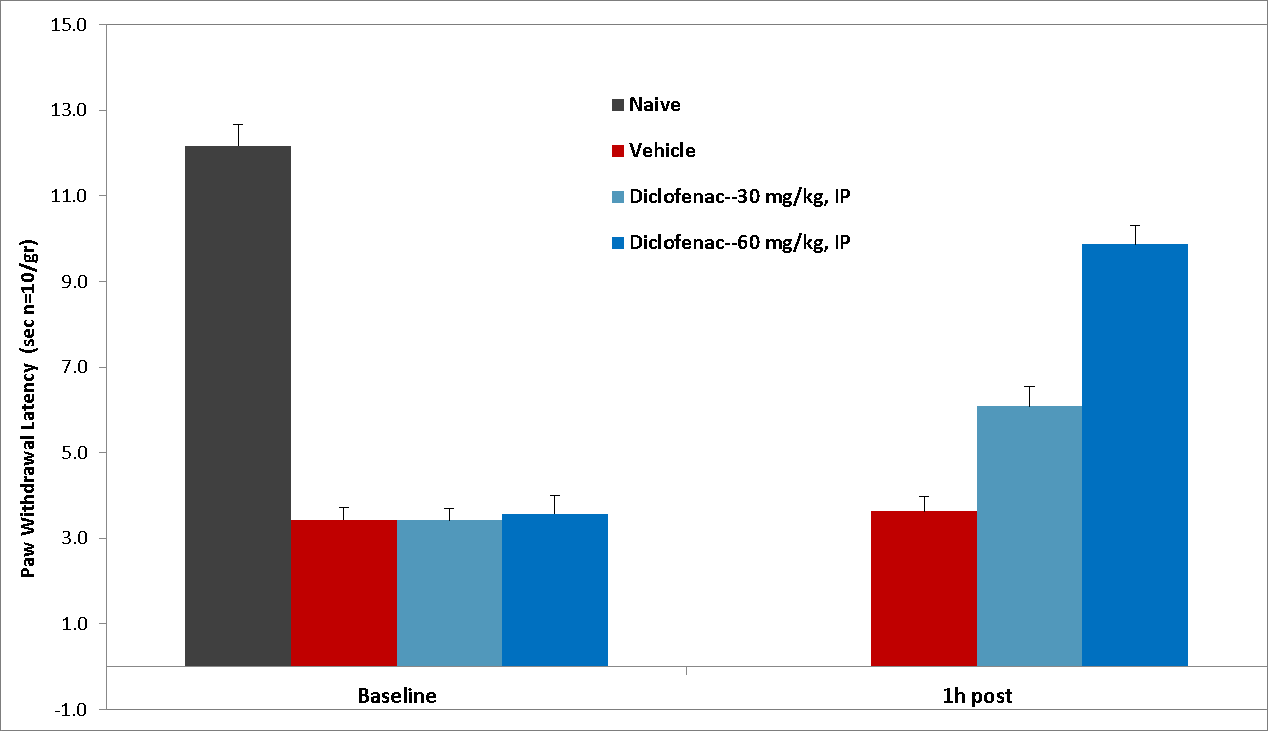
Diclofenac increases the paw withdrawal latency in a dose dependent manner.
-
Peripheral Neuroinflammation Model
Studies in Rat Neuritis Model of Peripheral Neuroinflammation
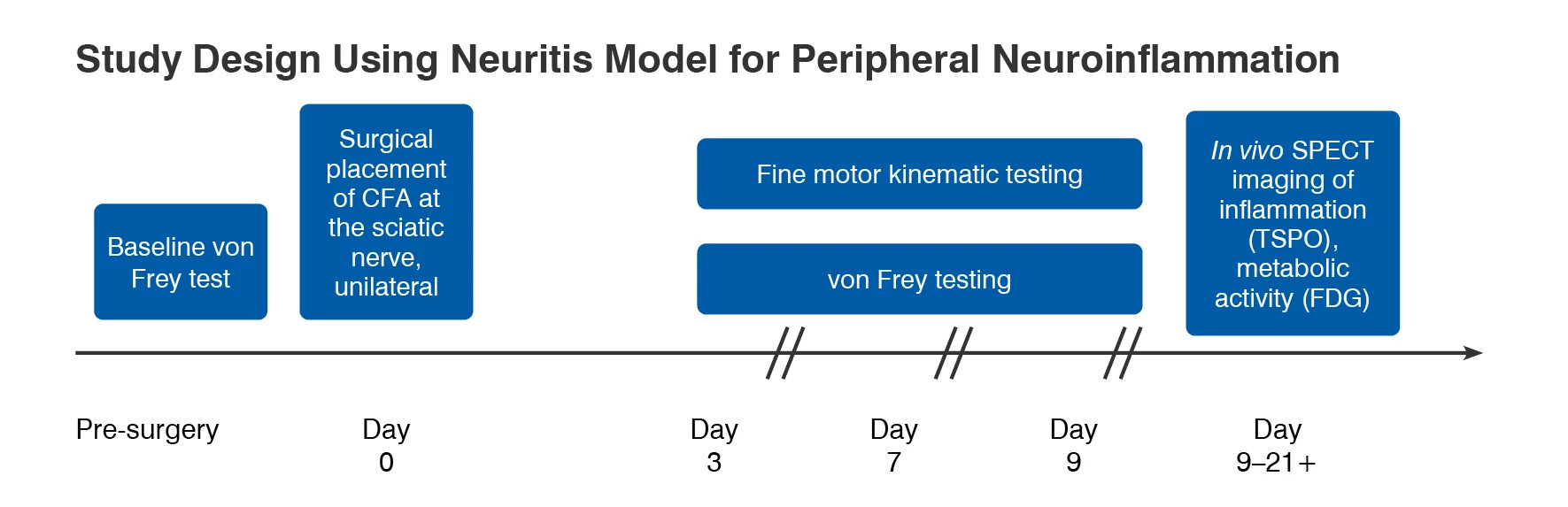
Our rat model of peripheral neuroinflammation is used to screen novel compounds against tactile and thermal allodynia. In this model, neuroinflammation and neuropathic pain can be induced unilaterally using complete Freud’s adjuvant (CFA). Tactile allodynia is monitored over nine days with classical and electronic von Frey filament tests. Additional endpoint tests can be conducted to enhance the data set:
- Thermal allodynia (plantar test, cold plate)
- Motor capabilities (fine motor kinematic gait analysis)
- Longitudinal PET imaging of the sciatic nerve area to study inflammation (TSPO-SPECT) and metabolic activation (FDG-PET)
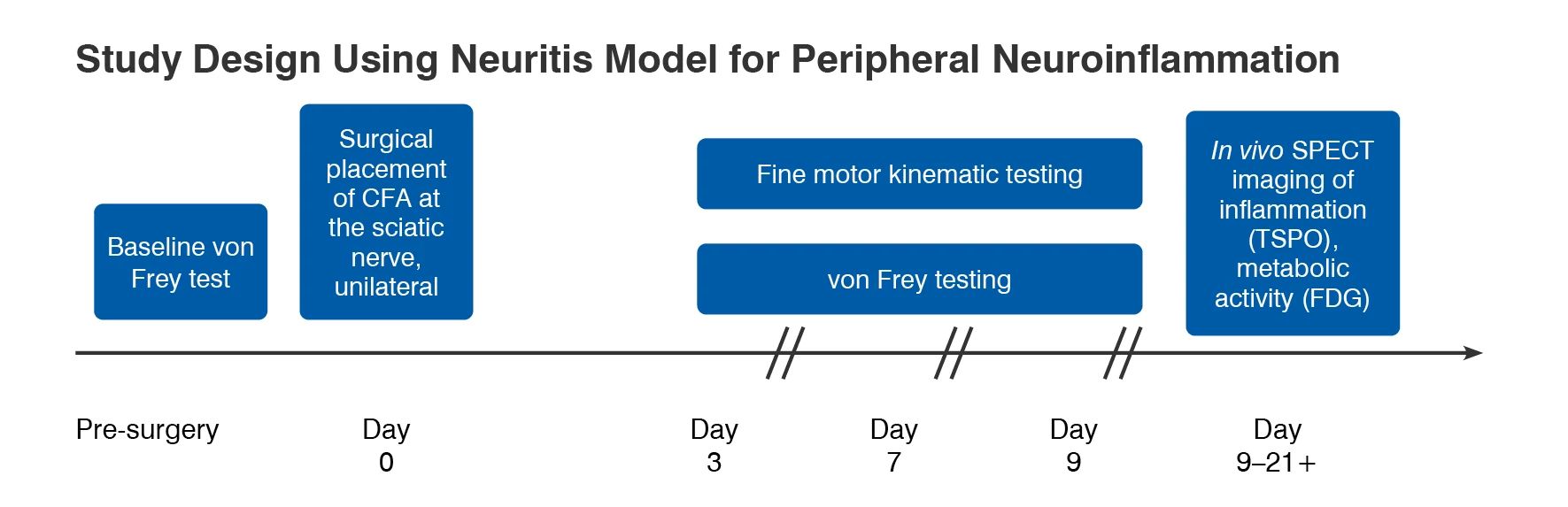
Duration is dependent upon study goals.
Neuritis Model for Peripheral Neuroinflammation Study Data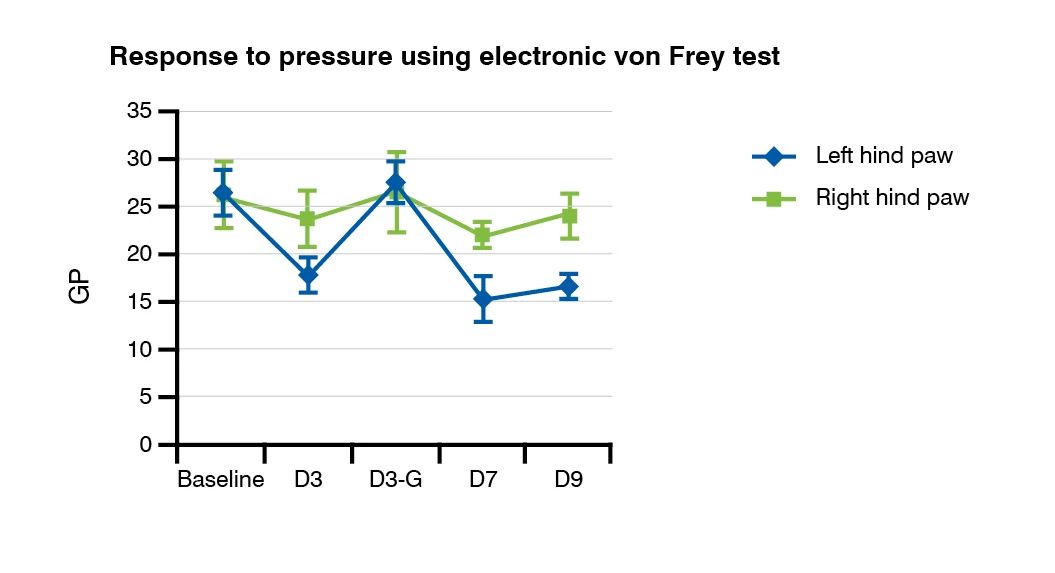
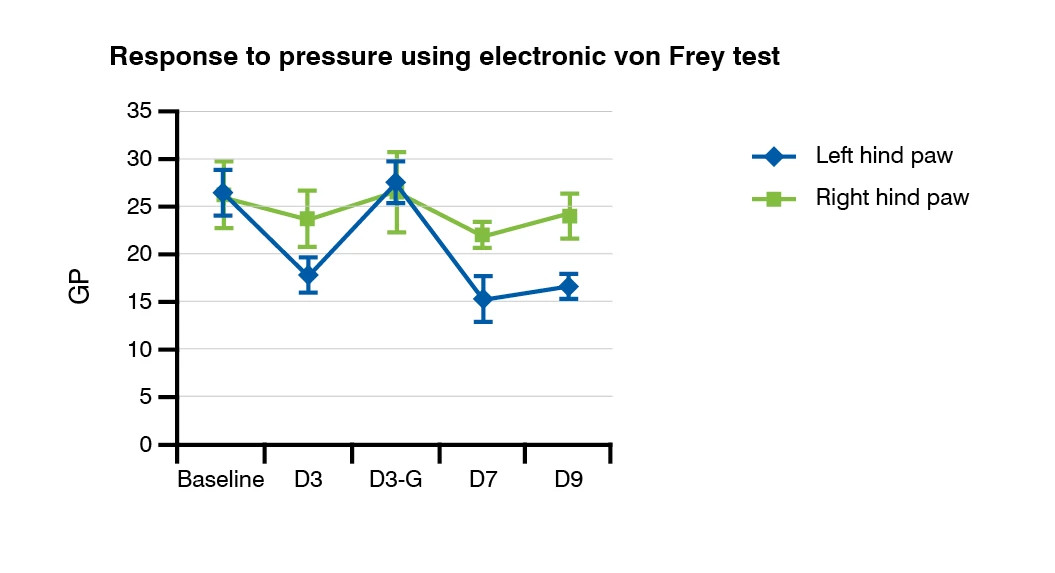
Quantitative response to pressure by electronic von Frey filament decreases over time until day 9 in the ipsilateral (left) hind limb. Allodynia can be fully reversed by gabapentin (GP, at day 3). The symptoms return after the washout period (day 7 and 9).
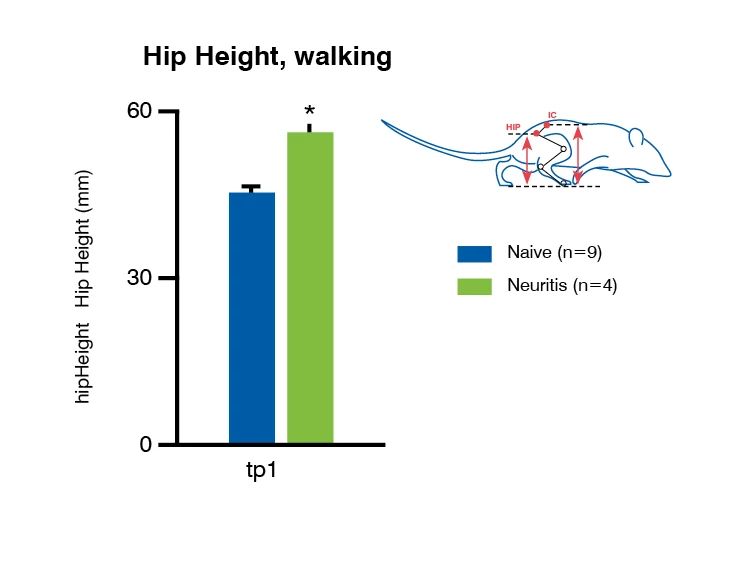
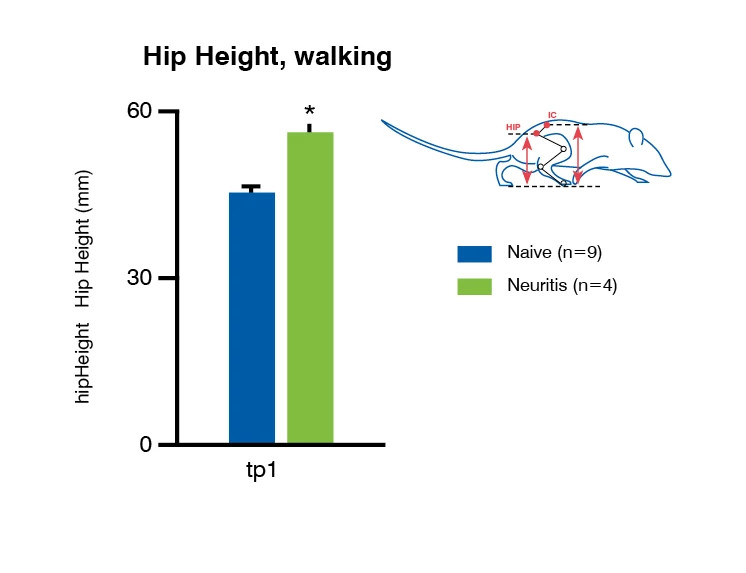
Animals affected with neuritis exhibit significant fine motor movement changes in gait compared to naive rats, as shown by increased hip height in neuritis rats compared to naive rats. (* p<0.001)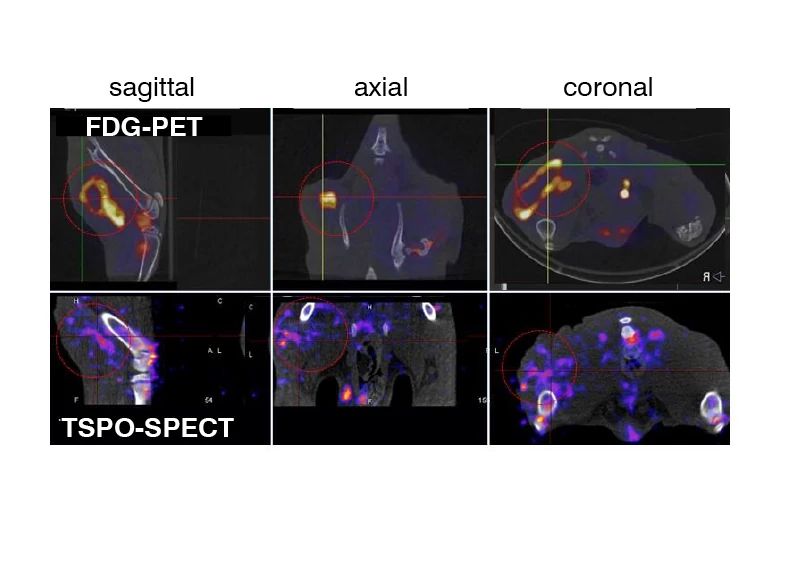
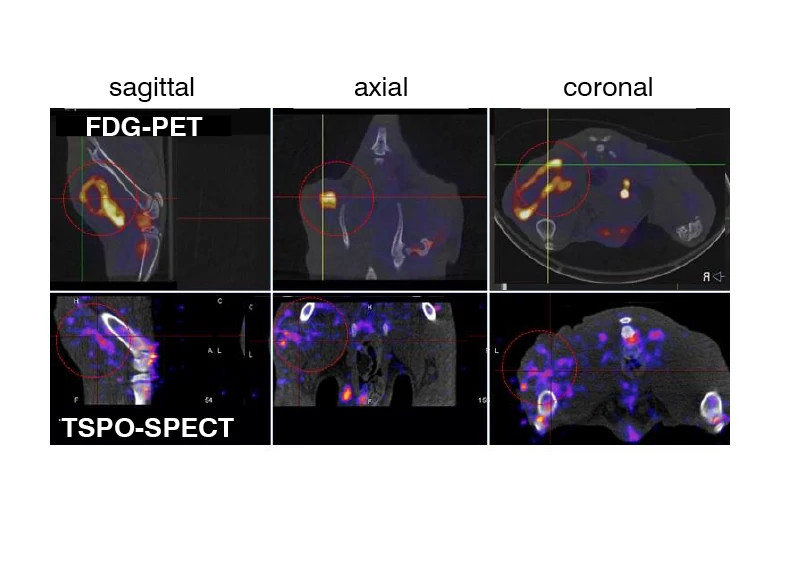
Noninvasive imaging enables monitoring of the inflammation and evaluation of the therapeutic over time. FDG-PET (top row) and TSPO-SPECT (bottom row) measurements in neuritis-induced rats show clear activation of tissue metabolic activity as well as inflammation, respectively.
Neuropathic Pain Models
Neuropathic pain is typically found in about 7-8% of the global population and is commonly detected as a secondary disease in cancer (chemotherapy induced) and diabetes. Neuropathic pain is characterized by dysesthesias (numbness, stabbing, and burning sensations) and allodynia. Rodent neuropathic pain models are typically evaluated in a stimulus-response setting. We offer pharmacology and efficacy studies using the following neuropathic pain models are available at Charles River:
Nerve constriction/ligation neuropathic pain models include:
- Spinal nerve ligation model (SNL)
- Chronic constriction model (CCI)
- Spared nerve Injury model (SNI)
- Partial sciatic nerve ligation model (PSNL)
Chemotherapy-induced neuropathic pain models include:
The neuropathic pain models are validated using the following established assays, and our scientific team is developing new endpoints to measure gait and balance changes in response to pain stimuli.
Mechanical stimulation include:
- Von Frey filament test
- Electronic von Frey
- Paw pressure test
- Pinprick test
Thermal stimulation include:
- Tail flick/tail immersion test (cool allodynia)
- Acetone test (cool allodynia)
- Hargreaves test (warm/heat allodynia)
- Hot/cold plate
-
Neuropathic Pain Validation Data
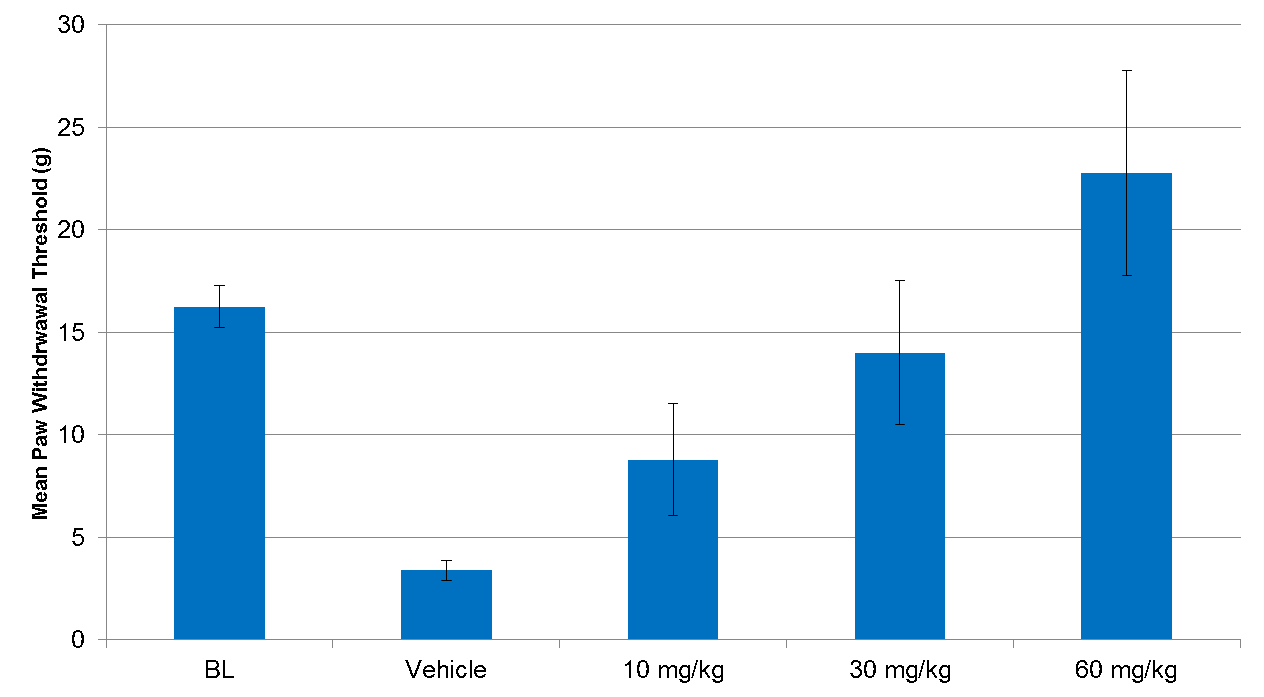
Figure 3: Effect of pregabalin (anti-epileptics) on a nerve ligation Neuropathic pain model