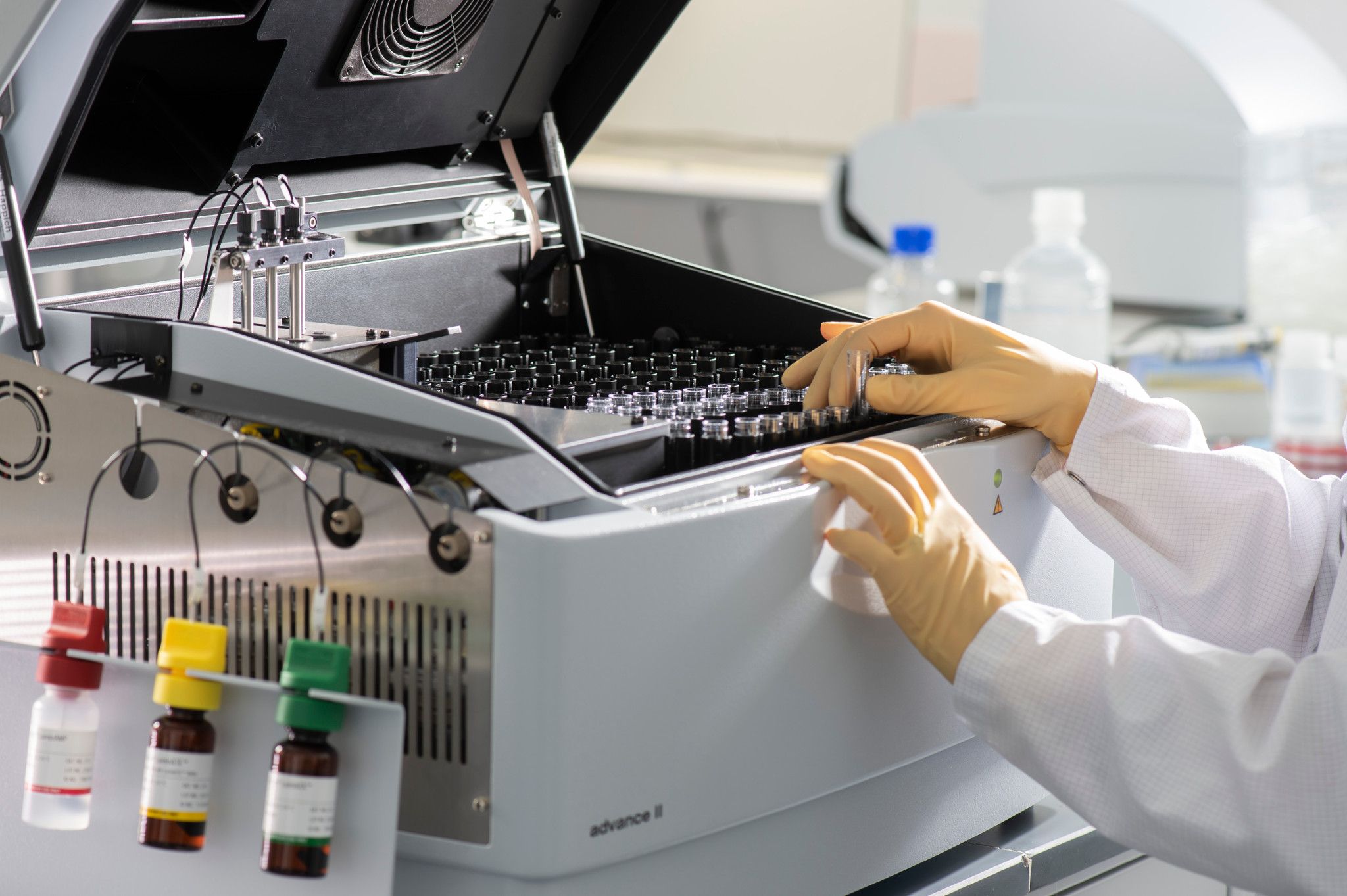
Laboratory Feasibility Testing Services and Proof of Concept Testing Process
The feasibility testing process includes utilizing a methodology which closely mimics your current sample testing method. We offer flexible services to meet your needs with a variety of test services and protocol packages for home and personal care products. For products outside of the over the counter (OTC) drug category, we have a streamlined process to qualify method suitability for your products. Beyond suitability testing, OTC drug products may require performing additional validation testing. Our team of technical experts can provide guidance on the right validation testing strategy for your product portfolio.
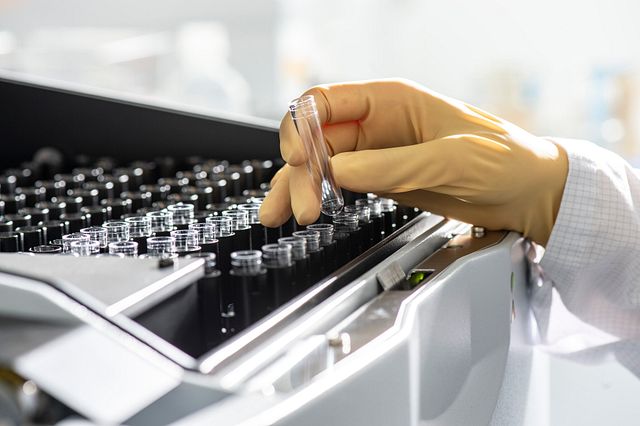
Webinar: Feasibility & Proof of Concept Tests for RMMs
In this webinar, learn about best practices that can help you run your proof of concept tests smoothly.
Watch the Replay
Global Network of Applications Laboratories

Microbial Testing for Cosmetics, Home, and Personal Care
Leverage our global network of labs to perform feasibility tests on your products and ensure that Celsis is the right fit for you.
Check Your Compatibility
Laboratory Feasibility Testing via Sample Effects Tests
Sample effects tests are a simple RMM Proof-of-Concept (POC) test that mimics your current test method preparation. These tests ensure any residual sample in the test media will not inhibit or enhance the enzyme-driven Celsis® ATP-bioluminescence reaction. Sample effects tests assure product compatibility for potential users who are exploring which rapid microbial method is optimal for them. This process can be done concurrently or in advance of system installation. These tests help companies expand their current use of Celsis for additional sample types with minimal disruption to routine testing.
Laboratory Feasibility Testing via Spiking Study Tests
In some cases, further studies may be needed to evaluate potential inhibition of microbial growth in the media. In these rare circumstances, spiking study tests demonstrate microbial bioburden can be recovered by the Celsis method. Spiking studies can also evaluate potential concerns related to product inhibition, low level contamination, or recovery of slow-growing organisms. Spiking studies are typically performed in situations where the enrichment differs from the established traditional method, the test method is new and has not yet been verified using the traditional method, or there are peculiarities in the neutralization of any antimicrobial properties in the sample.
Laboratory Feasibility Testing Services
Our expert team of applications scientists have developed protocols for hundreds of products across multiple industries, and can adapt the Celsis method, if necessary, to ensure success with your products. Secure long-term implementation success and leverage an industry-leading sample compatibility profile.
Custom applications tests can be done at any time, either during implementation or years later, as you apply Celsis to additional products in your portfolio.
Services & Product Codes:
-
Celsis Feasibility Testing Services for Pharmaceutical, Biologics, Cell, and Gene Therapy Products
Product Name Product Code Celsis® Sample Effects for Sterile Products VAL2500PH Celsis® Spiking Study for Sterile Products VAL2400PH Celsis® Sample Effects for Nonsterile Products VAL3500PH Celsis® Spiking Study for Nonsterile Products VAL3400PH
If you want data showing how Celsis is compatible with your product, you can start below.
Explore the Celsis® Rapid Microbial Detection Brochure
Gain insight into Celsis® technologies, platform capabilities, implementation considerations, validation support, and microbial detection applications across a range of product types.
Access the Brochure
Frequently Asked Questions (FAQs) About RMM Laboratory Feasibility Testing
-
What is a feasibility study?
A feasibility study for rapid microbial methods is a proof-of-concept test conducted to ensure the compatibility of a given microbial method with your product. For example, if you’re organization is considering implementing Celsis® rapid microbial detection instruments into your laboratory, we recommend conducting a feasibility study to confirm that the platform is the right fit for your product. This also helps to understand if the method needs modification, or if an alternative assay-type is better suited for your product.
-
Who conducts the feasibility testing?
You can either conduct your own feasibility study in-house, or you can outsource the feasibility study testing to a trusted partner. We conduct global feasibility studies for all types of organizations, industries, and products.
-
What are the steps in a rapid microbial method feasibility study?
1. We’ll create a methodology that closely mimics your current method
2. We’ll draft a rapid method protocol and provide it to your team for approval
3. Your lab will send us samples to one of our geographically relevant laboratories
4. Tests are performed, then results are analyzed and provided back to you in a comprehensive report
5. We’ll arrange a meeting with your staff to discuss the results and next steps, followed by the execution of a technical report -
I am a home and personal care manufacturer. Do I need to perform a RMM laboratory feasibility study?
Celsis has demonstrated compatibility with a wide variety of products by leading personal care and cosmetic manufacturers. In many cases, we have already demonstrated compatibility on products similar to yours. However, we can still provide a more streamlined approach to confirm compatibility and accelerate your adoption process. Furthermore, the regulatory requirements for many home, personal care, and cosmetics products are different than for pharmaceuticals, biologics, and cell and gene therapy products. If you are a home, personal care, and cosmetics manufacturer, we can support your validation by utilizing a different testing strategy to fast track your implementation of a rapid microbiological method.
