
Why outsource microbial sequencing ID to Accugenix®?
Compared to other identification methods, Sanger sequencing technology provides species-level accuracy from the start.
- Ensure microbial identification accuracy of bacteria by using the 16S ribosomal RNA (rRNA) gene and of fungi with the Internal Transcribed Spacer region (ITS2)
- Over 1,000,000 sequence based reports generated in the last decade.
- 96% species-level ID rate to provide you with the most reliable information for routine EM to investigation to root cause analysis.
- The industry’s highest reportable rate enabling you to implement appropriate actions in response to microbial excursions.
- CGMP-compliant and 21 CFR Part 11 processes; ISO 17025-accredited labs
- 15,000+ library entries, built and maintained for organisms encountered in pharma and regulated manufacturing environments; thousands of bacterial and fungal species continuously updated to reflect taxonomy changes.
- 0day, 1, 2, and 5day TATs across global labs.
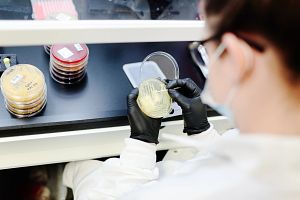
The Hidden Costs of Microbial Misidentifications
This webinar examines real-life challenges and consequences of inaccurate microbial identification as well as how to proactively mitigate these obstacles.
Watch the Webinar
What can sequencing be used for?
- Bacteria: Comparative Sanger sequencing of the 16S rRNA gene (BacSeq) for accurate species-level identification.
- Fungi/yeasts: Comparative sequencing of the ITS2 rRNA region (FunITS), widely accepted as the fungal DNA standard.
- Closely related organisms: Protein coding gene sequencing (ProSeq) when 16S cannot resolve species within a complex or group.
- Have your own .ab1 files? Submit them for expert data analysis and interpretation with AccuBLAST®.
How does it work?
- Submit an identification request and ship cultures or genomic DNA.
- We perform Sanger sequencing (16S for bacteria, ITS2 for fungi) at the closest lab to you.
- Sequences are quality checked, assembled, then compared to the validated Accugenix® library.
- A phylogenetic analysis is interpreted by expert analysts to assign species-level IDs and confidence levels.
- Follow our Shipping Guides to get started.
Services
- Bacterial Sequencing (16S)
- Fungal Sequencing (ITS2)
- Protein Coding Gene Sequencing (ProSeq)
- AccuBLAST® Data Analysis
Your Guide to Fast, Accurate Microbial Identification
With so many ID methods and providers out there, it’s tough to choose. We’ll guide you through how each test delivers results, so you can find the best fit for you.
Check it out
Frequently Asked Questions (FAQs) About Microbial DNA Sequencing
-
What is microbial DNA sequencing?
Microbial DNA sequencing identifies bacteria and fungi by reading specific genetic regions (such as 16S for bacteria and ITS2 for fungi) and comparing them to validated microbial reference libraries. This method provides accurate, reproducible identification results.
-
What sequencing methods does Accugenix® use?
Accugenix® uses Sanger sequencing as the core method for microbial identification, including 16S rRNA sequencing for bacteria and ITS2 sequencing for fungi. Additional options include ProSeq for closely related species, AccuBLAST® for data-only analysis, and Next Generation Sequencing (NGS) for bacteria and fungi.
-
What makes the Accugenix® library unique?
The Accugenix® databases are continuously validated and updated to reflect novel species and taxonomic changes, ensuring accurate matches for organisms found in pharmaceutical and regulated manufacturing environments.
-
What is the general Accugenix® microbial DNA sequencing turnaround time?
Turnaround times range from sameday to 5day depending on the service for DNA Sequencing and your needs. Faster TATs are ideal for critical environmental monitoring samples or contamination investigations.
-
What types of samples can be submitted?
Accugenix® accepts viable or nonviable cultures, or purified genomic DNA.
-
What happens if two organisms have identical 16S or ITS sequences?
Closely related species with conserved rRNA regions may require analysis of alternative proteincoding genes using ProSeq to achieve specieslevel resolution.
-
What certifications or accreditations do Accugenix fungal and bacterial identification labs have?
Accugenix fungal and bacterial identification laboratories hold ISO 17025 accreditation from the American Association for Laboratory Accreditation (A2LA). You can find each facility’s certificate of accreditation on the Microbial Solutions Quality Standards page.
-
What does the ISO 17025 accreditation mean for a microbial identification lab?
ISO 17025 accreditation certifies the technical competence of fungal and bacterial identification labs to perform specific tasks such as testing, sampling, and calibration. Such accreditation guarantees that your microbial identification results are obtained according to valid methods and procedures that comply with precise quality standards.
-
How do Accugenix fungal and bacterial identification labs deliver microbial ID reports?
We offer a secure and convenient web portal for microbial identification customers where they can submit identification requests, see all historical identification reports, and even set an alert for any particular organism of interest. Complementary automated tracking and trending reports offer additional value while saving customers’ time and keeping all data in a 21 CFR Part 11-compliant portal.

The Micro Keeps You in The Know
You don't need an agar plate to grow your microbial knowledge. Get industry updates, articles and other resources delivered straight to your inbox each month with this microbiology newsletter.
Subscribe