
The Great Debate: Phenotypic, Proteotypic, or Genotypic Methods
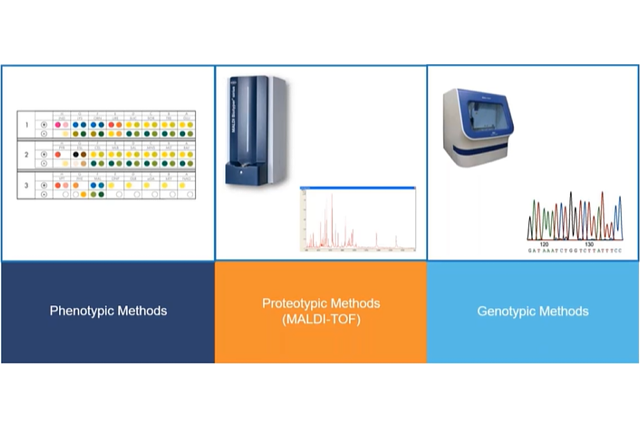
Phenotypic Methods (Biochemical Methods)
- Problem Addressed: These traditional methods are viewed as convenient for routine microbial checks in the pharmaceutical industry. Speed and cost-effectiveness are key considerations when these phenotypic methods are employed.
- Advantages: The main strengths of phenotypic methods include their low cost of implementation and straightforward procedures. These methods are accessible to laboratories with limited resources.
- Limitations: The major drawbacks lie in their reduced accuracy and data integrity challenges. Environmental factors like microbial stress or exposure to cleaning agents can significantly affect results. For instance, the accuracy of these methods was found to be below 65% for the identification of both Staphylococcus epidermidis and Micrococcus luteus, two of the most common organisms found in production sites.
- Regulatory Context: With the evolution of regulatory standards, there’s a growing emphasis on accuracy, precision, and reliability with microbial identification techniques. Agencies like the FDA and EMA are increasingly advocating for methods that offer greater specificity, especially in critical areas of pharmaceutical manufacturing.
Microbial Identification Technique Accuracy
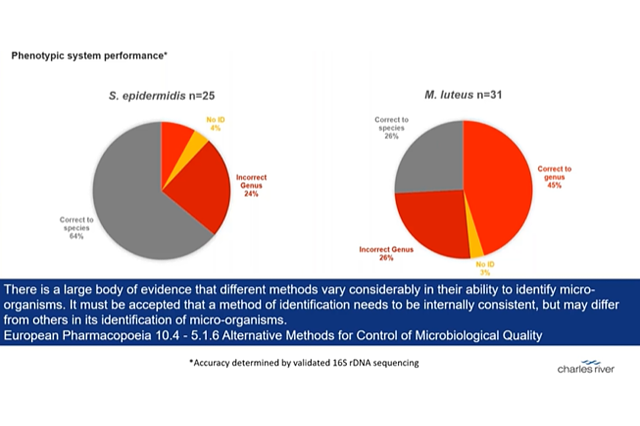
Figure legend: Identification accuracy of Staphylococcus epidermidis and Micrococcus luteus using a card-based phenotypic identification system. Results were compared to the same samples identified using a validated 16S rDNA sequencing process. Inconsistent and inaccurate identifications are commonplace with phenotypic systems, presenting significant challenges to the data integrity of microbial identification programs.
Proteotypic Methods: Matrix-Assisted Laser Desorption/Ionization Time-of-Flight (MALDI-TOF)
- Problem Addressed: This technology represents a balance between operational efficiency and the need for greater accuracy in microbial identification.
- Advantages: MALDI-TOF is renowned for its rapid processing and cost-effectiveness, delivering more accurate results than phenotypic methods with minimal subjective interpretation.
- Limitations: The principal limitation is the higher initial cost for equipment. Additionally, the accuracy of MALDI-TOF is highly dependent on the quality of the initial sample.
- Regulatory Context: This method is gaining increasing recognition in regulatory guidelines due to its accuracy and efficiency, aligning well with modern pharmaceutical quality system frameworks.
Genotypic Methods
- Problem Addressed: For the most precise and definitive microbial identification, especially during cases of critical contamination, genotypic sequencing is essential.
- Advantages: The accuracy of genotypic methods are unparalleled, but the ability to consistently generate accurate identifications using genotypic systems is highly dependent upon the library used and a robust data analysis workflow.
- Limitations: Its major drawbacks include high initial and ongoing costs, technical complexity, and the need for skilled personnel for execution and proper data interpretation.
- Regulatory Context: Regarded as the definitive method by various regulatory authorities, genotypic methods are critical when a high rate of species-level identifications are necessary and when resolving complex contamination issues.
When to Use Different Identification Methods
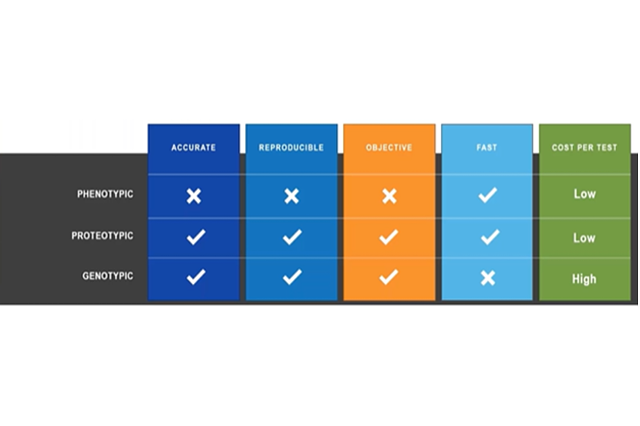
Modern Microbial Identification Methods Compared
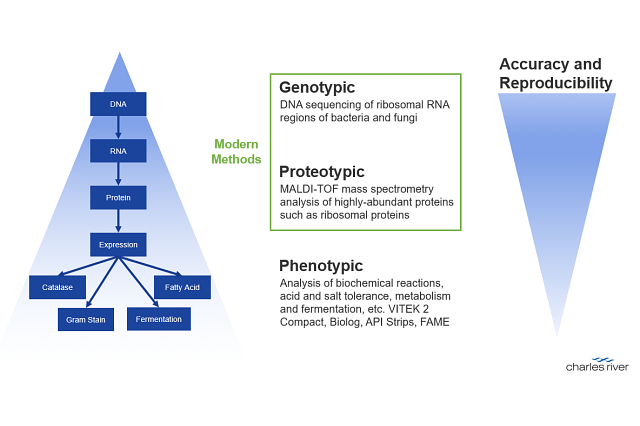
Figure legend: Within the hierarchy of microbial identification methods used in the pharmaceutical industry, genotypic methods (DNA sequencing) are the most accurate and expensive, while proteotypic methods (MALDI-TOF) provide a balance between accuracy and cost. Both genotypic and proteotypic methods are modern technologies and can be part of successful contamination control strategy. Phenotypic methods (biochemical properties) are also used, but are no longer considered sufficient for reliable microbial identifications.
Navigating the Evolving Regulatory Landscape of Microbial Identification Techniques
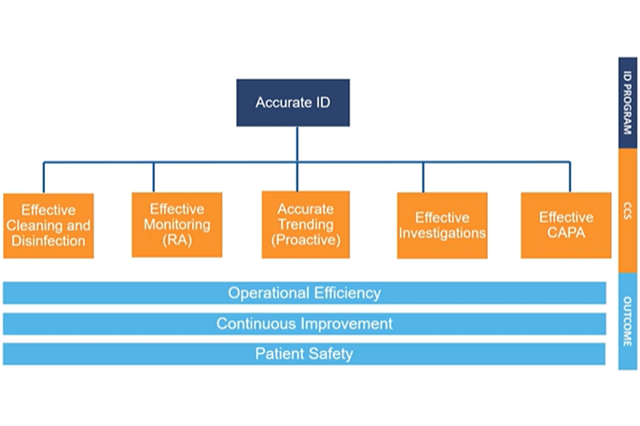
Figure legend: Accurate microbial identifications impact many elements of a site's contamination control strategy and can have many beneficial effects on facility operations, investigations, and ultimately patient safety. On the other hand, inaccurate identifications can lead to poor microbial control, incorrect risk assessments, and ineffective CAPAs, leading to significant business risk and the increased possibility of placing contaminated product on the market.
The pharmaceutical industry is guided by stringent regulations that emphasize the importance of accurate microbial identification. For example, EU GMP Annex 1 has been updated to require species-level identification for isolates from Grades A and B. This update underscores the importance of accurate identification in contamination control strategies. The document also advises on the identification of organisms from Grades C and D, particularly in cases involving organisms that are challenging to control or are frequently encountered.
These regulatory updates not only set the standards for microbial identification but also highlight the necessity for pharmaceutical facilities to adopt more sophisticated and reliable identification methods. In the context of USP <1113>, the guidelines provide a framework for microbial characterization, identification, and strain typing, emphasizing the importance of accurate microbial identification for effective contamination control and patient safety.
The Role of Advanced Microbial Identification in Operational Efficiency: When to use a Phenotypic, Proteotypic, or Genotypic Method
With patient safety as a paramount concern, QC professionals and facility managers must navigate the balance between operational efficiency and adherence to regulatory standards. The choice of microbial identification method plays a critical role in this balance.
Accugenix - Efficient, Accurate, and Comprehensive Solutions for Next-Level Microbial Control
We offer a range of solutions, from advanced proteotypic methods to cutting-edge genotypic sequencing, to address the varied needs of QC professionals and facility managers. Start a conversation with our experts to see what method best suits your needs.