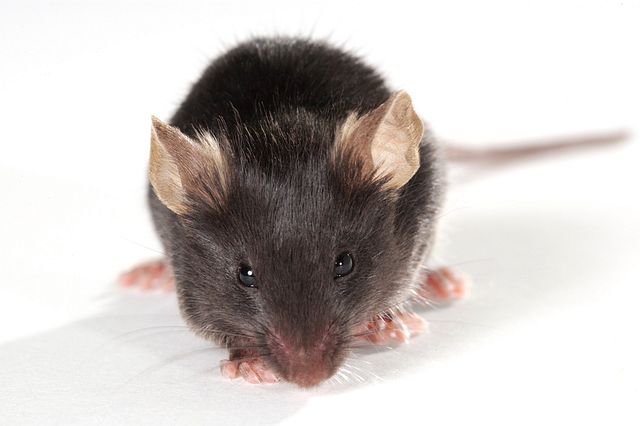
Faster Carcinogenicity Testing with the rasH2 Transgenic Mouse Model
The rasH2 mice contain multiple copies of the human c-Ha-ras proto-oncogene as well as its native murine Ha-ras gene expressed in a large number of tissues. Transgenic mice with an activated or overexpressed oncogene are much more susceptible to carcinogens than normal mice, resulting in a more rapid induction of tumorigenesis, saving valuable time and resources. The 6-month rasH2 transgenic mouse carcinogenicity study is increasingly used by biopharmaceutical companies as an alternative to the 2-year mouse carcinogenicity bioassay.
Advantages of the rasH2 Mouse Model as a Replacement for a Traditional Two-Year Mouse Carcinogenicity Study:
- Low incidence of spontaneous tumors
- Response to both genotoxic and non-genotoxic carcinogens, and acceptance by the FDA, the MHLW, and the CPMP as appropriate for testing of compounds in either category
- Considered neither insensitive nor prone to false-positive results
- The rasH2 mouse model also conforms to the 3Rs as a reduction since the experimental group size is typically 25/sex/group in comparison to ≥60/ sex/group in a two-year bioassay
- As scheduled euthanasia in a sx-month transgenic mouse study occurs before the senescence-related morbidity at the end of two-year studies, the use of a transgenic mouse alternative constitutes refinement

Looking for a mouse or rat model? Learn more about our transgenic mouse and rat model creation services
Regulatory History and Acceptance of rasH2 Mice in Carcinogenicity Studies
The International Conference on Harmonization (ICH) Guidance S1B, issued in 1997, specifies assessment of carcinogenicity in one long-term study conducted in a rodent species (the rat in most circumstances) plus one short-term or medium-term in vivo rodent study or another long-term carcinogenicity study in a second rodent species. ICH S1B accepts transgenic mouse models as a short- or medium-term rodent test system.
The p53+/-, Tg.AC, and rasH2 mouse models are three primary transgenic mouse models that were initially accepted by regulatory agencies as the result of a multinational effort by The International Life Sciences Institute/Health and Environmental Sciences Institute Alternatives to Carcinogenicity Testing Project, in conjunction with the directives of ICH S1B, from 1996 to 2001. Since then, the rasH2 mouse model has become the model of choice most often used as a replacement for a traditional two-year mouse carcinogenicity study.