
4T1 Mouse Model Overview
The 4T1 syngeneic mouse tumor model is a widely used, immunocompetent, triple‑negative breast cancer model derived from BALB/c mice. It is characterized by aggressive primary tumor growth, spontaneous metastasis, and limited responsiveness to immune checkpoint inhibitors, making it a valuable system for evaluating refractory immuno‑oncology strategies and combination therapies.
Why Choose the 4T1 Syngeneic Mouse Model?
- Immunocompetent system – Enables evaluation of therapies in the presence of a fully functional immune system
- Highly aggressive and metastatic – Mimics advanced breast cancer with lung metastases
- Checkpoint inhibitor–refractory – Ideal for testing novel IO combinations beyond PD‑1 monotherapy
- Well‑characterized benchmark model – Extensively used across immuno‑oncology research programs
Mouse 4T1 Breast Tumor Model Characteristics
| Attribute | Description |
|---|---|
| Tumor Type | Breast carcinoma |
| Cell Line | 4T1 (including 4T1‑luc variants) |
| Mouse Strain | BALB/c |
| Immune Status | Fully immunocompetent |
| ICI Sensitivity | Refractory to anti‑PD‑1; limited response to ICI combinations |
| Metastasis | Spontaneous lung metastases |

Cancer Model Database
Support your in vitro, in vivo, and ex vivo studies with a user-friendly search, new model data (including HLA typing, growth curves, and tumor images), and multi-parameter search options for all tumor model types.
Visit Our Database
Immunotherapy Response Profile of 4T1 Tumor Model
- Anti‑PD‑1: No meaningful antitumor response observed
- Anti‑CTLA‑4: Minimal activity as monotherapy
- Anti‑CTLA‑4 and Anti‑PD‑1: Limited efficacy, reinforcing refractory phenotype
This response profile positions the 4T1 model as a high‑stringency test system for next‑generation IO agents, bispecifics, cell therapies, and rational combinations.
4T1: Anti-CTLA-4 A (9H10) / Anti-PD-1 (RMP1-14) / Therapy
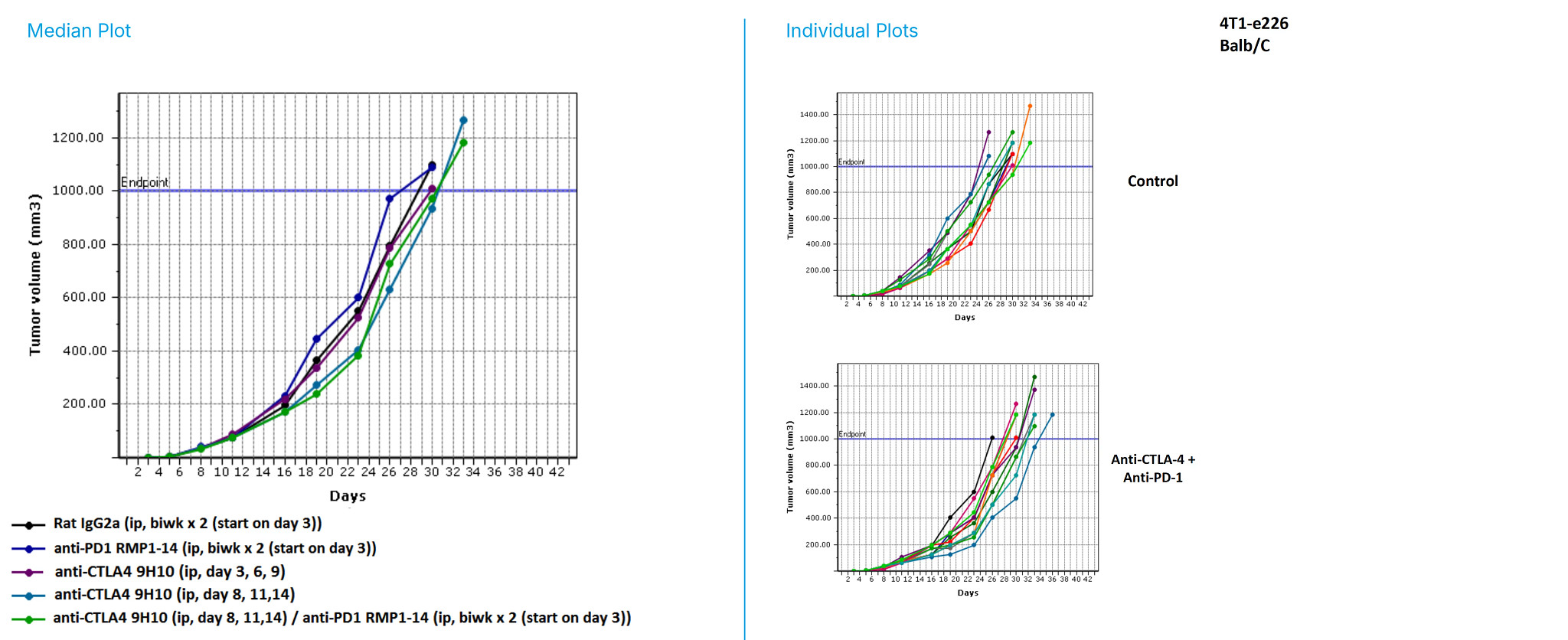
Figure 1: Therapeutic Resistance in the 4T1 Model.
Study Capabilities
In Vivo
- Subcutaneous and orthotopic mammary fat pad implantation
- Bioluminescent imaging with 4T1‑Luc for tumor burden and metastatic tracking
- Evaluation of primary tumor growth and lung metastases
Pharmacodynamic and Immune Analysis
- Tumor‑infiltrating leukocyte (TIL) profiling by flow cytometry
- Cytokine and protein analysis (ELISA, Luminex)
- Gene expression analysis (qPCR, QuantiGene)
Patient‑Derived Xenograft (PDX) Models for Translational Oncology
Leverage clinically relevant PDX models that preserve patient tumor heterogeneity to improve confidence in efficacy, resistance, and biomarker evaluation across oncology drug development.
View Available Models
Ideal Applications for 4T1 Mouse Model
- Testing novel immunotherapy mechanisms in refractory tumors
- Combination studies with chemotherapy, radiation, or targeted agents
- Evaluation of immune modulation in metastatic breast cancer
- Benchmarking efficacy against a historically difficult‑to‑treat model
Related Capabilities
- Standard‑of‑care combination guidance across syngeneic models
- Whole exome sequencing and mutational profiling
- Integrated in vivo, in vitro, and translational support
Need help designing a study or selecting the right syngeneic model for your program?