
Preclinical Oncology Research
Charles River has dedicated teams of oncology and immunology experts to design the best preclinical efficacy oncology studies for you. At the initiation of each study, a dedicated team is assigned to manage everything from design through execution. Our teams consist of scientists, technical personnel, a study director, and a project manager with each taking an active role to ensure seamless communication and flexibility for the duration of your study.

Mouse Models to Support In-House Oncology Research
Access validated rodent models across PDX, CDX, syngeneic, and humanized systems. Our high-quality rodent models, including immunodeficient strains and options for humanized mice, designed to support oncology and immuno-oncology applications.
Need help selecting the right model? Ask our experts or use our Model Evaluation Program to de‑risk your decision.
End-to-end Oncology Studies
By working with Charles River throughout the oncology drug discovery process, we can help ensure your preclinical oncology studies are designed optimally for faster entrance to the clinic:
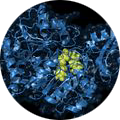
Chemistry services: By working with our chemists right from the beginning, you can optimize the best version of your compound. With data from our experienced drug discovery chemists make more informed decisions from early discovery through to your IND-enabling studies.
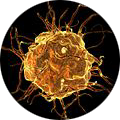
Predictive immunotoxicology assays and models mitigate risk of oncology drug discovery by identifying potential unwanted immune reactions. Used strategically throughout the development process, these assessments can help you make better decisions, move your best candidate forward, evaluate safety, and even improve existing drugs.
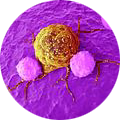
In vivo pharmacodynamic (PD) screens allow the function to be evaluated, and whether there is immune modulation, before entering disease specific models. Charles River's dual expertise in immunology and oncology mean we're the ideal partner to see whether your immunotherapy is interacting with its target, allowing you to progress faster to the clinic.
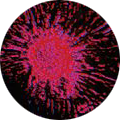
In vivo efficacy models allow you to test your drug in a well characterized cancer model to suit your research needs. You can test your drug in fully characterized patient-derived xenografts in our custom humanized mouse model, with the option to implant as orthotopic models for greater disease relevance, to truly represent the human disease state.
Safety assessment and toxicology is valuable for oncology research to ensure the best version of the drug is advanced to the clinic. Our extensive regulatory knowledge aids translation to the clinic, which is especially important for cell and gene therapies where discovery and safety studies will be closely linked.
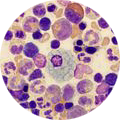
Clinical biomarkers: Biomarker efficacy data generated in early phase clinical trials further supports the decision to progress. Charles River can customize PD biomarker assays to support go/no-go decisions for your program.
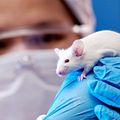
Oncology vivarium lab space: Conduct your own oncology in vivo studies while we handle daily animal care, IACUC support, and more, at our CRADL® contract vivarium labs. Start with a few cages or cohorts and expand easily.
Human Translational Oncology and Immuno-Oncology Studies
Each study is designed to ensure the best version of your drug is progressed to the clinic. Many therapies fail later in the drug development pipeline due to lack of efficacy or proof of mechanism of action (MOA), and with a rise in focus on novel modalities, there are increasingly complex interactions with the patient and their immune system. Therefore, it is vital to test therapies as early as possible in models and assays that mirror the patient environment.
Oncology Preclinical Study Planning Toolkit
Take control of your efficacy study by getting instant access to study pricing, cancer model data, and connection to our oncology specialists, so that you feel supported on your oncology efficacy journey.
Find the Right Model
By choosing the most relevant models, it allows MOA to be established as early as possible, mitigating risk of progressing prematurely to the next stage, and allows continued monitoring of target engagement throughout the drug discovery process for more informed decisions.
We can leverage many of our proprietary patient-derived xenograft (PDX) models and cell lines to perform integrated preclinical profiling of anticancer agents. Many of the models in our library correspond to established cell lines that have been derived from the xenograft model. This unique capability enables you to use the same tumor entity throughout your 2D in vitro, 3D ex vivo, and in vivo PDX assays. This approach to your program keeps efficiency and cost in mind, while letting you quickly collect the best study data.
By using the same tumor model in your assays, we can leverage our extensive cancer model database, and offer insight and clinically relevant information throughout the life of your study.
Having worked on over 80 percent of the FDA-approved cancer therapies over the last five years, Charles River has a well-established track record of delivering innovative solutions for oncology researchers.”
Julia Schueler, DVM, PhD, Therapeutic Area Lead, Oncology, Charles River
Partner with a CRO who anticipates your needs with delivery of fast, flexible service and a proven ability to take therapies from discovery to market. We are true experts in oncology with over 20 years’ experience, allowing us to support drug discovery across the pipeline and across the full range of modalities and targets.
Frequently Asked Questions (FAQs) About Oncology and Immuno Oncology Drug Discovery Studies
-
Does Charles River conduct translational oncology studies?
Charles River supports your preclinical oncology research from early discovery and chemistry all the way to the clinic. These oncology studies can be conducted as stand-alone assays or models or as part of fully integrated drug discovery programs.
-
Can I use Charles River’s oncology studies to test different modalities?
Charles River offers a range of oncology studies, including in vitro assays and in vivo models, to support preclinical oncology research across a range of modalities, that can be used to assess the effect of antibody therapies, small molecules, and cellular therapies.