> 1,700
PDX models
45+
cancer indications, including solid, liquid, and pediatric cancers
95%
of concordance with clinical patient outcomes
100%
genetic and histological similarity to original patient tumors
Choose PDX Models That Predict Real Patient Outcomes
Many patient-derived xenograft (PDX) mouse models can produce data, but not all of them can reveal how a therapy will perform in the clinic. Without predictive power, you risk advancing the wrong candidates, draining resources and limiting the benefit to patients.
Biologically faithful, rapidly delivered PDX studies, integrated with complementary in vitro assays, can help you reduce late-stage failure, accelerate decision making, and bring life-changing treatments to market sooner.

Host Models for Predictive PDX Studies
Select immunodeficient mice optimized for tumor take rate and translational relevance.
Need help selecting the right model? Ask our experts or use our Model Evaluation Program to de‑risk your decision.
Why Predictive Patient-Derived Xenograft (PDX) Models Can’t Wait
Oncology programs often depend on preclinical models that produce data but do not accurately predict how a therapy will perform in clinical settings. Since nearly 90% of oncology drugs fail during trials, this presents a significant risk for both drug developers and patients.
Utilizing predictive PDX models that mimic the complexity of human tumors, encompass heterogeneity, and support clear go/no-go decisions can help avoid expensive late-stage failures and support the progress of promising treatments.
Advances in in vivo PDX oncology models, along with complementary in vitro and in silico tools, mean you no longer have to choose between speed and biological relevance. This integrated approach gives you the clarity to pivot early, speed up timelines, and deliver breakthroughs to patients faster.

Ready to see what’s possible with next-generation PDX models?
Read our white paper to learn how 3D assays and machine learning transform patient-derived xenograft (PDX) studies to deliver faster, more predictive insights for your oncology program.

Need the right cancer model and study plan?
Utilize our oncology preclinical study planning toolkit to quickly identify the most suitable PDX, CDX, or syngeneic models, estimate the study costs, and connect with experts, enabling you to confidently progress to clinical trials.
Accelerating Oncology Breakthroughs with PDX Models
Join Dr. Julia Schueler, a globally recognized expert in oncology model development, for a look at combining next-generation PDX studies with 3D and AI technologies to reduce preclinical timelines and enhance clinical relevance.
Watch the Webinar
We've been pretty happy with the collaboration for our PDX study - it's worked well. Once studies are ongoing, it's key to have fast and clear communication and it has been like that completely with the Charles River team. A very proactive and good team to work with. I would look for Charles River again if we have needs."
Head of Molecular Oncology, Leading Biotech Company
Since speed alone is risky without relevance, each model in our database has been thoroughly evaluated for its molecular and pharmacological features.
Over 1,700 PDX Models in Our Portfolio
Large panels of well-characterized, patient-derived xenograft (PDX) models covering a wide range of different tumor types are becoming the preferred research tool to optimize the drug development process, particularly for target validation and translational studies. Currently, these collections represent the preclinical oncology platform that most consistently displays the complexity of tumor heterogeneity and molecular diversity of human cancer1.
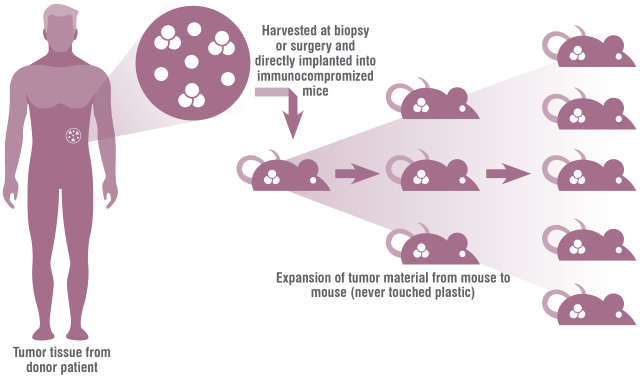
Figure 1. Diagram of patient-derived xenograft (PDX) models
Our portfolio includes over 1,700 patient-derived xenografts and is constantly growing. Established through international collaborations with major hospitals and universities, our models cover all major histological and molecular subtypes, and follow a strong quality process to ensure high quality. Searchable in our online database, these models are valuable assets in your drug development journey.
Our PDX Model portfolio can be used for any modalities, from small molecules to cell therapy, and includes:
- In vivo models
- Subcutaneous, orthotopic, and disseminated models of cancer
- Cancer cachexia models
- PDX Model platform using humanized mouse models in standard or single mouse trial (SMT) format
- In Vivo Implantable Microdevice PDX Studies; simultaneous in vivo testing of multiple drugs, drug doses, or drug combinations in a single tumor
- In vitro and in silico models to expedite PDX study
- 2D/3D screening assays and subsequent PDX in vivo efficacy studies
- PDX organoids
- Zebrafish PDX Tumor Xenograft (ZTX™) Models2
- Machine learning tools, such as virtual control groups (VCGs) and for imaging applications
- AI-enabled drug discovery and development platforms developed in collaboration with Valo
- Deeply characterized models
- Extensive molecular and pharmacological characterization, and complete records on patients’ pretreatment
- Integrated approach using the same PDX models and/or the corresponding cell line in different drug screening platforms
- Identification of biomarkers, based on genomic or proteomic data associated with the respective models

Patient-Derived Xenografts – Cancer Model Database
Support your in vitro, in vivo, and ex vivo studies with a user-friendly search, new model data (including HLA typing, growth curves, and tumor images), and multi-parameter search options for all tumor model types (PDX and CDX).
Visit Our Database
Patient-Derived Xenografts
Charles River’s patient-derived xenografts use tumor grafts as explants established as models at low passage numbers (average of six passes removed from patient). They have not been grown on plastic or propagated in vitro.
Establishing xenograft tumor models from patient-derived tumor tissue at low passage is believed to conserve original tumor characteristics such as tumor architecture, genetic and phenotypic heterogeneity, and sensitivity towards cancer treatment. Based on this prevalent hypothesis, patient-derived xenografts are believed to offer relevant predictive insights into clinical outcomes when evaluating the efficacy of novel cancer therapies.
By leveraging the wealth of information that we have on each tumor model, we can help you with your study and suggest specific patient-derived xenograft PDX models that fit your program (e.g. AML, bladder cancer, breast cancer, lung cancer models).
PDX Models Spotlight
-
Colorectal Cancer PDX Models
These models are critical for understanding colorectal cancer's biology, offering insights into tumor behavior, progression, and treatment response. By closely mimicking human disease, they facilitate the evaluation of new therapies and the study of cancer's genetic underpinnings.
-
AML PDX Models
Acute Myeloid Leukemia (AML) PDX models play a pivotal role in advancing AML research. They replicate the complexity and heterogeneity of AML, enabling the study of disease mechanisms, drug resistance, and the development of targeted treatments.
-
Ovarian Cancer PDX Models
Ovarian cancer models are indispensable for exploring this challenging disease. They provide a realistic platform for testing novel therapeutics and understanding ovarian cancer's unique characteristics, contributing to the pursuit of more effective treatments.
-
Pediatric PDX Models
These models replicate pediatric tumors, capturing their genetic and phenotypic diversity. They are crucial for understanding pediatric cancers, evaluating new treatments, and addressing treatment resistance, thereby aiding in the development of more effective therapies for young patients.
Research Director Dr. Julia Schueler describes the importance of Patient-Derived Xenograft models to aid drug development.
-
PDX Model Video Transcript
0:00 A PDX model stands for patient-derived xenograft. That means in the oncology space that patient tissue, normally tumor, is transplanted from a human patient into a mouse to maintain as a model. 0:20 In recent years there were multiple efforts to establish and characterize large PDX collections. Although these models are available for a number of decades since the 1980s, their advantages have become more and more important for drug development and tumor biology research. The main advantages of PDX models are that they maintain their genetic heterogeneity as well as the histological makeup of the patient and preserve them over the passages. This gives them the possibility to cover all different histotypes from a specific disease. 0:53 Charles River offers a great PDX collection covering more than 500 different models, including all different entities like the broad models, like non-small cell lung cancer, breast cancer or colon cancer, but as well, tumor models with a high medical need like ovarian cancer, acute myeloid leukemia, non-Hodgkin lymphoma or prostate cancer. 1:17 The PDX models in the Charles River compendium are characterized with molecular techniques like whole-exome sequencing and RNA-seq. We also have patient metadata available as well as histology and immunohistochemistry data and sensitivity toward standard of care treatments. With the advent of new modalities, like for example, immuno-oncology, we tried to enhance our PDX models by analyzing them also in a humanized setting. For example, we analyzed the rates of tumor-infiltrating lymphocytes as well as sensitivity towards checkpoint inhibitors. PDX models are an important part of the preclinical toolbox because they are complementary to the gold standard models like cell line graft models, syngeneic or genetic modified mouse models.

White Paper: How PDX In Vitro Assays Are Accelerating Oncology Developability
This white paper describes that by harnessing PDX advantages with next-generation tools such as 3D technology and machine learning live cell imaging we can pave the way for a quicker path to clinical application.
Download the White Paper
Predictive Tumor Models to Accelerate Preclinical Research In Vivo, In Vitro, and In Silico
2D and 3D cell-based assays performed with low passage, PDX-derived material serve as cost- and time-effective tools for selecting the most promising drug candidates and identifying possible clinical indications early in the process. An integrated approach based on PDX in vitro, ex vivo, in vivo, and bioinformatics data will facilitate drug development and enhance the speed of preclinical oncology research.
- Organoid PDX Models: These advanced tools accurately represent human tumors. They preserve the three-dimensional structure and cellular diversity of the original tissue, making them essential for studying tumor biology, drug response, and personalized medicine.
- In vivo microdialysis services can determine pharmacological effects and pharmacokinetics of test compounds in the tumor microenvironment with high sensitivity and temporal resolution.
- NanoString gene expression analysis platform: Additionally, we offer targeted transcriptomics using this platform to provide information on how a therapeutic is regulating the tumor microenvironment.
- Machine learning: This new-generation tool can bring great value to oncology research and development, such as virtual control groups (VCGs) by bringing more translationally relevant data to the clinic.
To learn more about our offerings, including molecular information, visit our Cancer Model Database. Have another question or need advice on which model is right for you?
Learn How Scientists Have Used Our PDX Models
- A High-Content Image Analysis Approach for Quantitative Measurements of Chemosensitivity in Patient-Derived Tumor Microtissues
- A Subset of Colon Cancer Cell Lines Displays a Cytokine Profile Linked to Angiogenesis, EMT, and Invasion Which Is Modulated by the Culture Conditions In Vitro
References: 1https://pubmed.ncbi.nlm.nih.gov/30123419; 2https://www.ncbi.nlm.nih.gov/pmc/articles/PMC8827197
Frequently Asked Questions in PDX models
-
What is a patient-derived xenograft (PDX) model?
Patient-derived xenografts (PDX) are models of cancer where the tissue or cells from a patient’s tumor are implanted into an immunodeficient or humanized mouse. PDX models simulate human tumor biology allowing for natural cancer progression and offer the most translational research model for evaluating efficacy.
-
Which measures do you take to ensure gold standard quality in your PDX pipeline?
Quality Process
Ensuring gold standard quality in a Patient-Derived Xenograft (PDX) pipeline involves a meticulous process that begins at the establishment phase and continues throughout the life of the model.
Initial measures include:
- Pathological testing for both human and mouse pathogens
- Cryopreservation of tumor fragments
- Histological confirmation to verify the tumor type, ensure the absence of unwanted human (EBV-associated) lymphoma cells, murine lymphoma cells, or over-representation of murine fibroblasts.
Once the PDX models are fully established, whole exome and RNA sequencing are performed to characterize the model and confirm the pathohistological diagnosis.
During treatment experiments, donor material is examined for histological features and the ratio of human to mouse RNA is assessed, as the (murine) stromal content, which varies by tumor type, is intrinsic to the model (e.g.: high in PDAC (pancreatic ductal adenocarcinoma) and low in lymphoma). Monitoring the percentage of murine cells is crucial to prevent the overgrowth of stromal or murine lymphoma cells, which can compromise the representation of human tumor cells in the model. Maintaining this balance ensures the PDX models remain a reliable tool for cancer research and drug development.
-
What is the difference between CDX and PDX models?
CDX (cell line-derived xenografts) models are created using established cancer cell lines grown in vitro and implanted into immunocompromised mice, offering a more homogeneous and less complex system ideal for high-throughput drug screening due to their simplicity and reproducibility. In contrast, PDX (patient-derived xenografts) models involve implanting human tumor tissue directly from patients into mice, preserving the tumor's heterogeneity and architecture, which makes them more accurate for studying human cancer biology and evaluating drug efficacy. While CDX models are cost-effective and quicker to establish, PDX models provide more clinically relevant and predictive insights, essential for personalized medicine approaches.
-
What is a humanized mouse model?
Humanized models are highly immunodeficient mice into which human immune systems are engrafted via peripheral blood mononuclear cells (PBMCs) or hematopoietic stem cells (HSCs). Humanized mice serve as valuable tools for evaluating therapeutic candidates in an in vivo setting relevant to human physiology.
-
What is a syngeneic mouse model?
Syngeneic mouse models, also known as allograft mouse tumor systems, consist of tumor tissues derived from the same genetic background as a given mouse strain. As the syngeneic mice retain intact immune systems, they are particularly relevant for studies of immunotherapies.
-
What is an orthotopic model?
In orthotopic models, tumors are implanted into the equivalent organ from which the cancer originated. Orthotopic models have a similar tumor microenvironment as the original tumor, which allows for the assessment of tumor development in a model that mimics natural disease progression.