
In Vivo Tumor Models
Charles River’s experience with oncology drug discovery spans all phases, from target identification to IND studies. Utilizing the most effective combination of tools available to identify promising compounds, we work with our partners to design studies by selecting from amongst a broad range of well-characterized tumor models.

Host Models for Predictive PDX Studies
Browse strains supporting diverse tumor types and immune contexts. Our high-quality rodent models, including immunodeficient strains and humanized mouse options, are designed to support your oncology and immuno-oncology applications.
Need help selecting the right model? Ask our experts or use our Model Evaluation Program to de‑risk your decision.
In Vivo Cancer Models:
- Cell line-derived xenograft models in mice and rats
- Patient-derived xenograft (PDX) models
- Syngeneic models
- Humanized mouse tumor models
- Orthotopic models
- Single mouse trials
- Cachexia models
- Graft versus Host models
- Immuno-oncology pharmacodynamic models
- Pediatric cancer drug development
Modality Types:
- Small Molecules
- Cell Therapy
- Antibody
- View our recent webinar on Advancing ADC Discovery against Cancer
- Vaccine

Patient-Derived Xenografts - Cancer Model Database
Support your in vitro, in vivo, and ex vivo studies with; user friendly search, new model data (including HLA typing, growth curves, and tumor images) and multi-parameter search options for all tumor model types (PDX and CDX)
Visit our Database
Combining these cancer models with appropriate translational tools like ELISpot, flow cytometry, imaging, gene expression analysis, and tumor microdialysis, you can develop the most efficient, relevant study design and screening method to identify promising compounds and optimize lead candidates.
We are consistently looking for ways to leverage new technologies and techniques to enhance our ability to deliver life-changing therapeutics to patients”
Julia Schueler, DVM, PhD, Therapeutic Area Lead, Oncology, Charles River
Before entering traditional in vivo efficacy models, using pharmacodynamic models helps to ensure target engagement and immune modulation e.g., adoptive T cell transfer and Graft vs Host (GvHD) models. Cost-effective 2D and 3D assays allow you to screen compounds before entering in vivo tumor models.
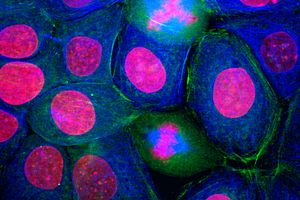
Oncology Preclinical Study Planning Toolkit
Take control of your efficacy study by getting instant access to study pricing, cancer model data, and connection to our oncology specialists, so that you feel supported on your oncology efficacy journey.
Find the Right Model
Accelerated In Vivo Screening of Early Compounds and Combination Therapies
New implantable microdevice (IMD) technology available through our partnership with Kibur Medical enhances your in vivo tumor studies the ability to efficiently and cost effectively administer and measure the effects of multiple drugs injected directly into tumors.
Implantable Microdevice Technology
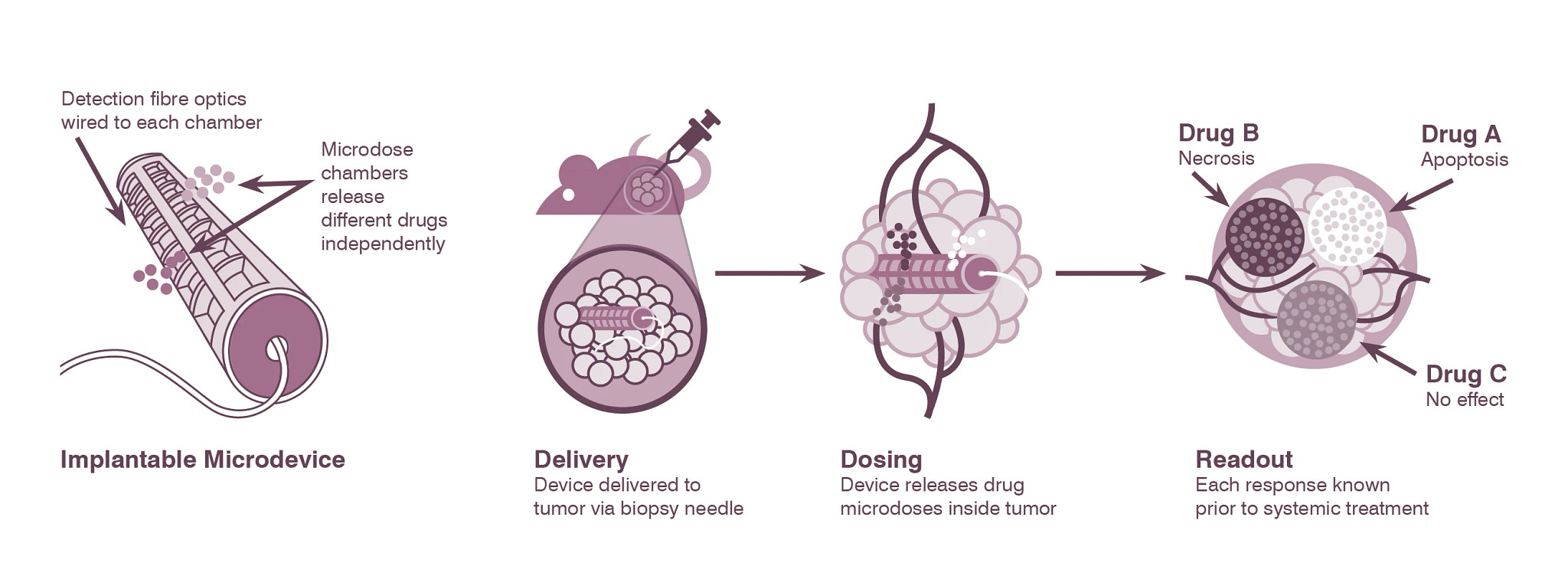
In vivo implantable microdevice for oncology in vivo tumor models
Delivering microdoses of multiple drugs directly to tumor tissue, implantable microdevices allow us to measure the real-time effects of therapy on the surrounding tissue. Predict an optimal drug regimen, faster and at lower cost by simultaneously screening multiple combinations in a single animal.
Charles River is driving oncology drug discovery across a range of modalities including small molecules, immune therapies, biologics, cell therapies. At our BSL2 facilities we're even working on viral vectors and cancer vaccines.
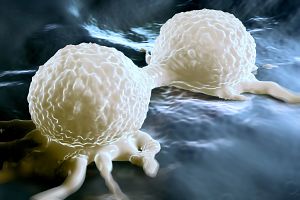
Syngeneic Model Data
Access our new syngeneic model data including checkpoint inhibitor (e.g. anti-PDL-1, anti-PD-1, anti-CTLA-4), whole exome sequencing (WES), and RNA-seq data. This data gives you the ability to choose based on mutation status in addition to sensitivity immune checkpoint inhibitors.
Download now
Frequently Asked Questions (FAQs) about Cancer Models
-
What are cancer models?
Cancer models are in vivo mouse models to test and support the development of novel anti-cancer compounds. There are often tumor models using either mouse tumor material (syngeneic models) or human tumor material (Cell line derived xenograft and Patient derived xenograft models), which can be utilized to test the efficacy of cancer treatments.
-
Which cancer model is the best for my program?
The best choice of cancer models will depend on the specific anti-cancer compound. For example, if you are working with an immunotherapy, then either a syngeneic or humanized model is best, but if your compound has a human target that does not cross react with other species then a humanized mouse tumor model is most advantageous. For a truly translational model, patient-derived xenografts are the gold stanard, as these tumor models preserve the heterogeneity and other characteristics of the patient tumor.
To help decide which model to use for your study contact Charles River.
-
Which assays should I run before entering in vivo cancer models?
Before entering in vivo mouse models it is essential to learn more about your anti-cancer compound; 2D and 3D tumor models can be used to pre-screen cancer treatments. If the compound is an immunotherapy, we can use a range of immuno-oncology assays to determine the mechanism of action, ensuring you progress the best version of your drug into in vivo cancer models and onto the clinic.