
CT26 Mouse Model Overview
The CT26 tumor model is a well-established syngeneic colorectal carcinoma model derived from murine colon carcinoma cells and implanted in immunocompetent BALB/c mice. Known for its high immunogenicity and strong responsiveness to immune checkpoint inhibitors, CT26 is widely used for evaluating immunotherapies and combination treatment strategies. This model provides a robust platform for studying tumor–immune system interactions, supporting both mechanistic research and translational development.
Why Choose the CT26 Syngeneic Mouse Model?
- Immunocompetent system – Enables evaluation of therapies in the presence of a fully functional immune system
- Checkpoint pathway relevance – Supports robust evaluation of PD-1 and CTLA-4 targeted therapies
- Immunogenic tumor microenvironment – Allows investigation of immune activation and TIL-driven responses
- Rational combination strategies – Enables development and optimization of combination immunotherapies
- Translationally predictive biology – Provides proof-of-concept insights into immune-mediated tumor response
CT26 Colon Carcinoma Tumor Model Characteristics
| Attribute | Description |
|---|---|
| Tumor Type | Colon carcinoma |
| Cell Line | CT26 |
| Mouse Strain | BALB/c |
| Immune Status | Fully immunocompetent |
| ICI Sensitivity | Sensitive to PD-1 and CTLA-4 blockade |
| Notable Traits | Immunogenic; strong response to combination therapy |

Cancer Model Database
Support your in vitro, in vivo, and ex vivo studies with a user-friendly search, new model data (including HLA typing, growth curves, and tumor images), and multi-parameter search options for all tumor model types.
Visit Our Database
Immunotherapy Response Profile of CT26 Tumor Model
The CT26 model demonstrates robust sensitivity to immune checkpoint inhibition, making it a benchmark for evaluating immuno-oncology agents.
- Anti-PD-1 – Moderate to strong antitumor activity
- Anti-CTLA-4 – No significant monotherapy activity
- Combination (Anti-PD-1 + Anti-CTLA-4) – Enhanced, synergistic antitumor response
This profile supports CT26 as a preferred model for combination therapy development and immune activation studies.
CT26: Anti-CTLA-4 (4F10) / Anti-PD-1 (RMP1-14)
Early dose initiation of anti-PD-1 produces strong combination
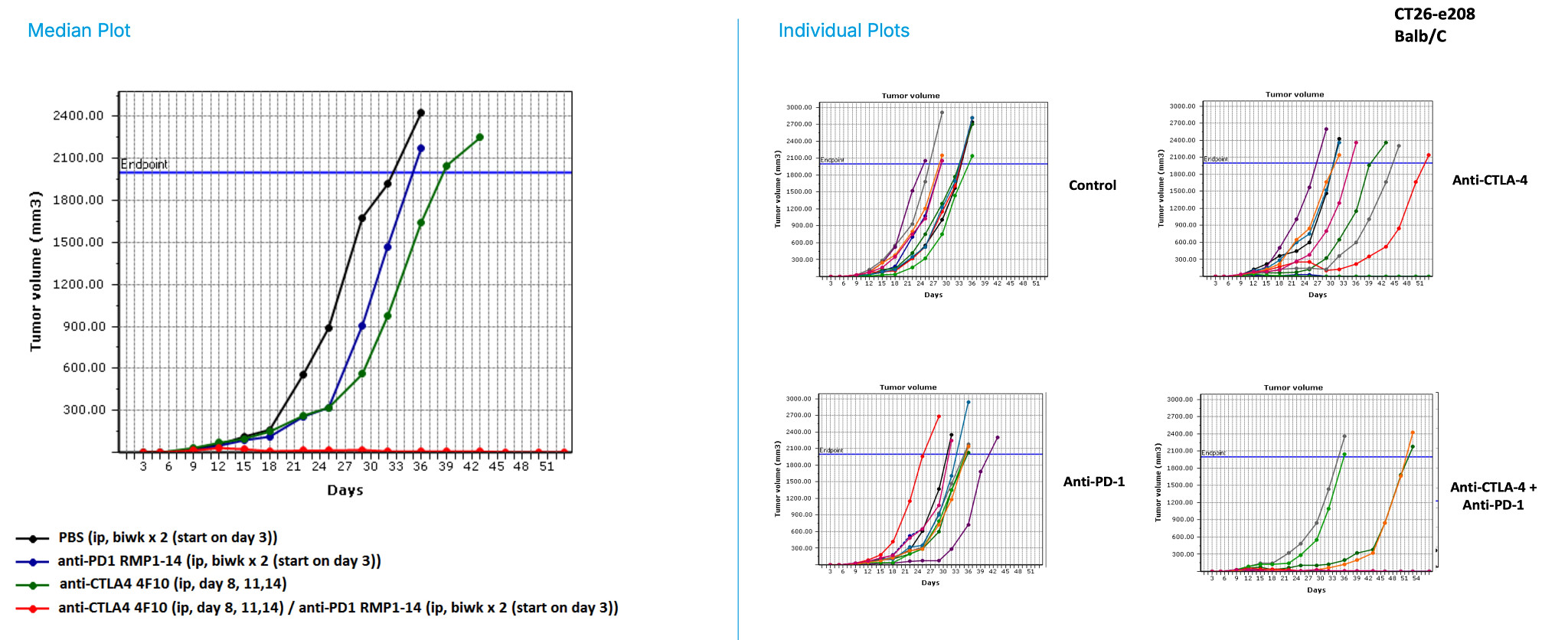
Figure 1: Therapeutic resistance in the CT26 model.
Study Capabilities
In Vivo
- Subcutaneous tumor implantation, orthotopic, and growth monitoring
- Evaluation of treatment response in established tumors
- Combination therapy
Dosing Routes
- Intravenous (tail vein), intraperitoneal, oral, subcutaneous, and intratumoral administration
Pharmacodynamic and Immune Analysis
- Tumor-infiltrating leukocyte (TIL) profiling via flow cytometry
- Cytokine and protein analysis (ELISA, Luminex)
- Gene expression analysis (qPCR, QuantiGene) and RNA sequencing

Patient‑Derived Xenograft (PDX) Models for Translational Oncology
Leverage clinically relevant PDX models that preserve patient tumor heterogeneity to improve confidence in efficacy, resistance, and biomarker evaluation across oncology drug development.
View Available Models
Ideal Applications for CT26 Mouse Model
- Evaluation of immune checkpoint inhibitors and IO combinations
- Investigation of immune activation and tumor rejection mechanisms
- Testing combination strategies with radiation
- Benchmarking efficacy in immunogenic tumor models
Related Capabilities
- Flow Cytometry & Immune Profiling – Detailed analysis of immune cell populations
- Cytokine & Protein Assays – ELISA and Luminex platforms
- Gene Expression Analysis – qPCR and QuantiGene technologies
- In Vivo Imaging – Longitudinal tumor monitoring
- Cell-Based Assays – Proliferation and potency testing
- Standard-of-Care Integration – Combination with chemotherapy and irradiation models
Need help designing a study or selecting the right syngeneic model for your program?