
C57BL/6 Mice Details
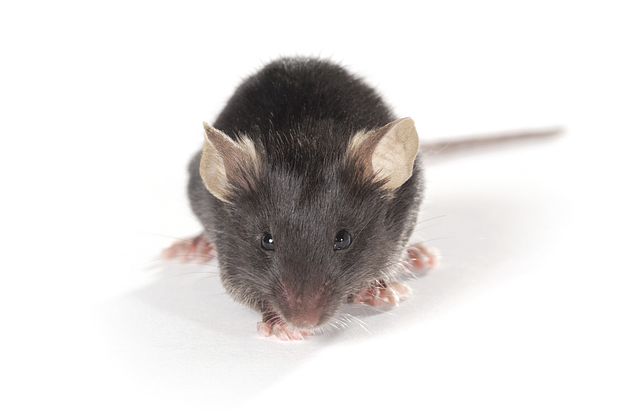
C57BL/6 mice are the most used inbred strain in research. Our C57BL/6 mouse colonies are genetically identical within each strain, eliminating genetic differences that could affect research results. Inbred mouse strains exhibit a high degree of uniformity in their inherited characteristics, or phenotypes, which include appearance, behavior, and response to experimental treatments.
We couple our International Genetic Standardization (IGS) program with a pyramid mating system designed to maintain the highest levels of genetic uniformity in our C57BL/6 mice. The pyramid mating system ensures that our C57BL/6 mice are genetically identical within each mouse strain.
Developed by C.C. Little in 1921, from a mating of Miss Abby Lathrop’s stock that also gave rise to strains C57BR and C57L. Strains 6 and 10 separated about 1937. To The Jackson Laboratory in 1948 from Hall. To NIH in 1951 from The Jackson Laboratory at F32. To Charles River in 1974 from NIH.
We also offer the C57BL/6-Aged Mouse, the C57BL/6 VAF/Elite® Mouse with a VAF/Elite® health profile (bred in US), and the C57BL/6 SOPF Mouse with a SOPF health profile (bred in France). Through our preconditioning services, we can also provide DIO (diet-induced obesity) C57BL/6 mice.
LOCATION: Kingston
UNIT: K92
Download the Report
UNIT: K61
Download the Report
LOCATION: Raleigh
UNIT: R03
Download the Report
UNIT: R07
Download the Report
LOCATION: Hollister
UNIT: H44
Download the Report
UNIT: H47
Download the Report
➤ DOWNLOAD OUR CATALOG for instant access to Standard List Pricing
➤ TALK TO US to discuss organization or volume-based discounts
Already have an eCommerce portal account?* Login to order research models, obtain quotes, view organization-specific pricing, and see inventory. Processing time required to validate new eCommerce access requests.
*eCommerce is available in US, Canada, UK, France, Germany, Austria, Netherlands, Denmark, Finland, Norway, Sweden, Spain, Portugal, Belgium, Luxembourg, and Switzerland
Try out this model with our animal evaluation program (North America)
Try out this model with our animal evaluation program (Europe)
C57BL/6 Mice Details
C57BL/6 mice are the most used inbred strain in research. Our C57BL/6 mouse colonies are genetically identical within each strain, eliminating genetic differences that could affect research results. Inbred mouse strains exhibit a high degree of uniformity in their inherited characteristics, or phenotypes, which include appearance, behavior, and response to experimental treatments.
We couple our International Genetic Standardization (IGS) program with a pyramid mating system designed to maintain the highest levels of genetic uniformity in our C57BL/6 mice. The pyramid mating system ensures that our C57BL/6 mice are genetically identical within each mouse strain.
Developed by C.C. Little in 1921, from a mating of Miss Abby Lathrop’s stock that also gave rise to strains C57BR and C57L. Strains 6 and 10 separated about 1937. To The Jackson Laboratory in 1948 from Hall. To NIH in 1951 from The Jackson Laboratory at F32. To Charles River in 1974 from NIH.
We also offer the C57BL/6-Aged Mouse, the C57BL/6 VAF/Elite® Mouse with a VAF/Elite® health profile (bred in US), and the C57BL/6 SOPF Mouse with a SOPF health profile (bred in France). Through our preconditioning services, we can also provide DIO (diet-induced obesity) C57BL/6 mice.
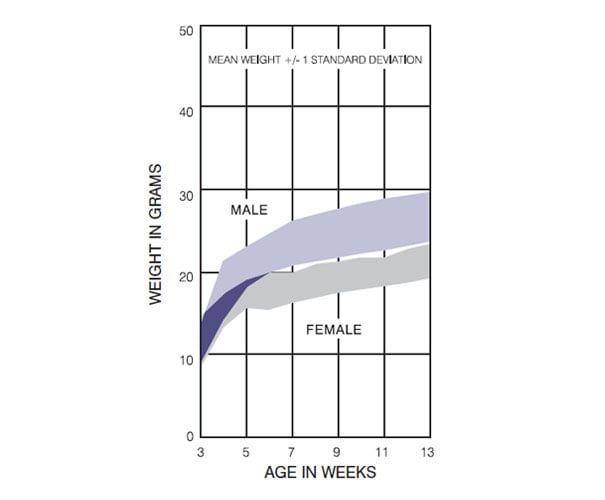
Growth chart data should be used as a guideline only.
The shaded areas on each chart are the mean weight plus or minus one standard deviation at a given age averaged across all production facilities. This represents approximately 67% of the population, with the remaining 33% falling outside of this weight range.
UNIT: 11
Download the Report
UNIT: 9
Download the Report
➤ DOWNLOAD OUR CATALOG for instant access to Standard List Pricing
➤ TALK TO US to discuss organization or volume-based discounts
Already have an eCommerce portal account?* Login to order research models, obtain quotes, view organization-specific pricing, and see inventory. Processing time required to validate new eCommerce access requests.
*eCommerce is available in US, Canada, UK, France, Germany, Austria, Netherlands, Denmark, Finland, Norway, Sweden, Spain, Portugal, Belgium, Luxembourg, and Switzerland
Try out this model with our animal evaluation program (North America)
Try out this model with our animal evaluation program (Europe)
C57BL/6 Mice Details
C57BL/6 mice are the most used inbred strain in research. Our C57BL/6 mouse colonies are genetically identical within each strain, eliminating genetic differences that could affect research results. Inbred mouse strains exhibit a high degree of uniformity in their inherited characteristics, or phenotypes, which include appearance, behavior, and response to experimental treatments.
We couple our International Genetic Standardization (IGS) program with a pyramid mating system designed to maintain the highest levels of genetic uniformity in our C57BL/6 mice. The pyramid mating system ensures that our C57BL/6 mice are genetically identical within each mouse strain.
Developed by C.C. Little in 1921, from a mating of Miss Abby Lathrop’s stock that also gave rise to strains C57BR and C57L. Strains 6 and 10 separated about 1937. To The Jackson Laboratory in 1948 from Hall. To NIH in 1951 from The Jackson Laboratory at F32. To Charles River in 1974 from NIH.
We also offer the C57BL/6-Aged Mouse, the C57BL/6 VAF/Elite® Mouse with a VAF/Elite® health profile (bred in US), and the C57BL/6 SOPF Mouse with a SOPF health profile (bred in France). Through our preconditioning services, we can also provide DIO (diet-induced obesity) C57BL/6 mice.
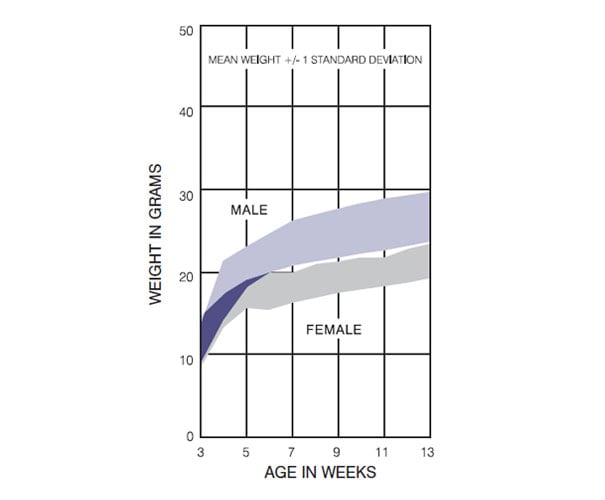
Growth chart data should be used as a guideline only.
The shaded areas on each chart are the mean weight plus or minus one standard deviation at a given age averaged across all production facilities. This represents approximately 67% of the population, with the remaining 33% falling outside of this weight range.
UNIT: 5
Download the Report
➤ DOWNLOAD OUR CATALOG for instant access to Standard List Pricing
➤ TALK TO US to discuss organization or volume-based discounts
Already have an eCommerce portal account?* Login to order research models, obtain quotes, view organization-specific pricing, and see inventory. Processing time required to validate new eCommerce access requests.
*eCommerce is available in US, Canada, UK, France, Germany, Austria, Netherlands, Denmark, Finland, Norway, Sweden, Spain, Portugal, Belgium, Luxembourg, and Switzerland
Try out this model with our animal evaluation program (North America)
Try out this model with our animal evaluation program (Europe)
C57BL/6 Mice Details
C57BL/6 mice are the most used inbred strain in research. Our C57BL/6 mouse colonies are genetically identical within each strain, eliminating genetic differences that could affect research results. Inbred mouse strains exhibit a high degree of uniformity in their inherited characteristics, or phenotypes, which include appearance, behavior, and response to experimental treatments.
We couple our International Genetic Standardization (IGS) program with a pyramid mating system designed to maintain the highest levels of genetic uniformity in our C57BL/6 mice. The pyramid mating system ensures that our C57BL/6 mice are genetically identical within each mouse strain.
Developed by C.C. Little in 1921, from a mating of Miss Abby Lathrop’s stock that also gave rise to strains C57BR and C57L. Strains 6 and 10 separated about 1937. To The Jackson Laboratory in 1948 from Hall. To NIH in 1951 from The Jackson Laboratory at F32. To Charles River in 1974 from NIH.
We also offer the C57BL/6-Aged Mouse, the C57BL/6 VAF/Elite® Mouse with a VAF/Elite® health profile (bred in US), and the C57BL/6 SOPF Mouse with a SOPF health profile (bred in France). Through our preconditioning services, we can also provide DIO (diet-induced obesity) C57BL/6 mice.
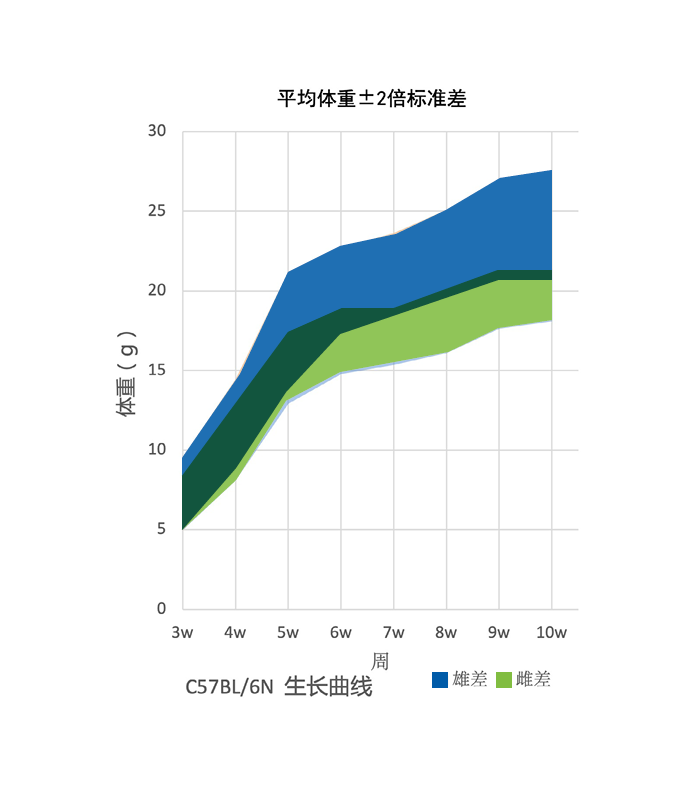
Please email us at [email protected] to request a health report for this model.
For additional information, including pricing details, please visit the C57BL/6NCrl mouse page on the Vital River Laboratories website.
Try out this model with our animal evaluation program (North America)
Try out this model with our animal evaluation program (Europe)

GUIDEBOOK
Rodent Model Genetic Quality Control
Learn the essentials of genetic QC programs: inbred/outbred colony quality control, transgenic rodent model creation, rederivation, and cryopreservation techniques. Download Now
Resources
-
Whitepaper
The Role of the C57BL/6N Mouse in the Creation of Future Genetically Engineered Models
In the coming years, the use of C57BL/6N substrains is expected to grow significantly, as all 20,000 genes in the mouse genome will eventually be targeted in C57BL/6N ES cells via the International Knockout Mouse Consortium (IKMC) project. This whitepaper provides a summary of the current efforts of these consortia as well as the best practices that have been put in place, such as the use of the C57BL/6N strain to ensure the standardization of B6 mouse production and phenotyping data that will result from these programs over the next few years. -
Poster
Phenotype and Genotype Comparison for C57BL/6N Substrains Contributing to the International Mouse Phenotyping Consortium (IMPC)
The International Mouse Phenotyping Consortium (IMPC) is a 10-year program to produce a null mutant mouse line for every gene in the mouse genome. The chosen strain for this project is the C57BL/6N mouse, however, there are several substrains to consider, including C57BL/6NCrl (NCrl), C57BL/6NTac (NTac) and C57BL/6NJ (NJ). This poster describes results from C57BL/6 mice genotype analyses using the Affymetrix Mouse Diversity Genotyping array to compare single nucleotide polymorphisms (SNP) between mouse cell lines. -
Technical Sheet
Reducing Aggression in Mice
Although some consider C57BL/6 mice to be aggressive (especially B6 male mice), they are generally not when compared with other mouse strains. C57BL/6 mice can appear to be more aggressive because they are the most commonly used strain in research.
This technical sheet analyzes underlying reasons for aggression in some B6 mice and other inbred mouse colonies and offers strategies for mitigating conspecific aggression. -
Selected Publications
Note: When submitting papers that mention C57BL/6NCrl mice, please cite Charles River strain code #027 in the Materials and Methods section.
- Control Data
- Nutrition Information for Enhancing or Expressing a Desired Disease Condition
-
Additional Technical Information
Information Sheet
C57BL/6 Mouse Model
Data Sheet
Inbred Mice
Health Profiles
VAF Health Profiles
Plan Your Next Study with Aged Mice
Charles River offers study-ready aged C57BL/6 mice up to 78+ weeks of age, supporting research in neurodegeneration, immunology, and age-related disease models. Learn More
Frequently Asked Questions (FAQs) About C57BL/6 Mice
-
How can I evaluate B6 mice?
Selecting the appropriate animal model is critical to the success of your research. Our Animal Model Evaluation Program allows you to assess the quality and compatibility of our mouse models before making a commitment.
Try out this model with our animal evaluation program (North America)
Try out this model with our animal evaluation program (Europe)
-
Where are Charles River C57BL/6 mice available?
C57BL/6 mice are available globally from Charles River. C57BL/6 mice are bred in more than 20 of our breeding facilities.
-
Are C57BL/6 mice suitable for the creation of transgenic and mutant models?
C57BL/6 mice are the most commonly used genetic background used to create transgenic and mutant mouse models. For further information, speak to our model creation experts.
-
Which health profiles are available for C57BL/6?
We offer three health profiles for C57BL/6 mice:
- VAF/Plus® (SPF)
- VAF/Elite® (SOPF)
- Germ-Free
See more information about our health profiles.
-
Are there differences among C57BL/6 mice substrains? (e.g., C57BL/6N, C57BL/6J, C57BL/6NTac, etc.)
The C57BL/6 mouse strain is the most widely used model in biomedical research and is cited in more than 50,000 articles on Pubmed.
Hundreds of generations after the original B6 strain was received at the Jackson Laboratory 1948, numerous known genetic and phenotypic differences have been reported among the C57BL/6N, C57BL/6J, and other B6 mice strains as a result of naturally occurring genetic drift.
These differences can profoundly influence research data in studies of behavior, obesity, diabetes, and immunology. This is why it is important to cite full mouse nomenclature.For further information please see:
- Genetic Differences Among C57BL/6 Substrains
- A Comparative Phenotypic and Genomic Analysis of C57BL/6J and C57BL/6N Mouse Strains
- Attention to Background Strain Is Essential for Metabolic Research: C57BL/6 and the International Knockout Mouse Consortium
- The Blessings and Curses of C57BL/6 Substrains in Mouse Genetic Studies
-
How does Charles River maintain genetic uniformity for inbred lines such as the C57BL/6 mouse?
Inbred mouse strains are produced using a minimum of 20 generations of brother-sister mating, traceable to a single founding pair. We use our International Genetic Standardization (IGS) program coupled with a pyramid mating system designed to maintain the highest possible levels of genetic uniformity in C57BL/6 mice and other models that we breed.
-
What are the main research applications of C57BL/6 mice?
The C57BL/6 mouse is a multipurpose model that can be used for research into physiology, immunology, safety and efficacy, oncology and genetics, as well as mouse model creation.
B6 mice are often preferred to other inbred mice in certain research disciplines such as metabolic research. B6 mice are susceptible to obesity, insulin resistance, diabetes, and atherosclerosis.
BALB/c and B6 mice are both commonly used in immunology research; however, they reveal highly divergent immune responses and are disposed to different pathogens. -
How are C57BL/6 mice used in oncology research?
B6 mice are used extensively for syngeneic tumor studies. Even though these mice are immunocompetent and will reject human-derived xenografts, they help us understand how the immune system interacts with tumors.
Tumor cell lines derived from a B6 mouse background include pancreatic, pulmonary, melanoma, gastrointestinal, and ovarian. Through genetic engineering, B6 mouse models can provide significant insights into the field of immuno-oncology. -
How are your C57BL/6 mice monitored for health status?
Our animal models, including C57BL/6 mice, are monitored using a variety of techniques including serology, whole animal testing, and environment testing via exhaust air dust (EAD®) analysis. We publish health reports for all of our research models.
-
What is the average weight of C57BL/6 male and female mice at different ages?
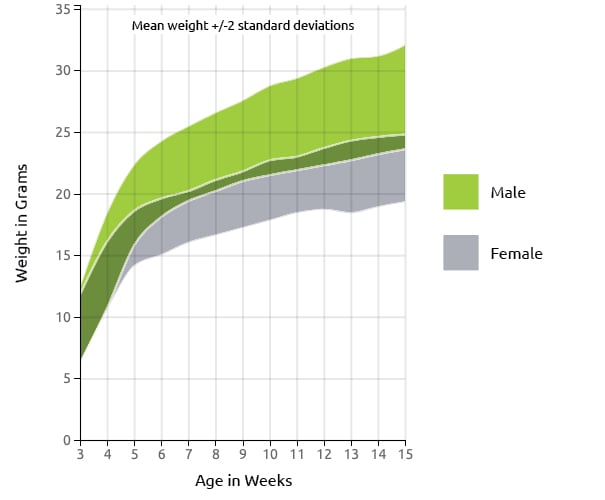
For weight information, see our technical sheet showing average mouse weight in grams (+/- 2 standard deviations) for B6 mice up to 15 weeks of age.
Growth charts are available in the Growth Charts tab above.
-
What are some considerations for using B6 mice to generate genetically engineered mice?
B6 mice are the most preferred background strain for creating transgenic and mutant mouse models. Investigators should take caution, however, when crossing different genetically engineered lines because the mice may have dissimilar contributions from various originating strains.
Additionally, the background of genetically engineered mice should be confirmed through SNP testing. And to avoid genetic drift, research teams should keep parental substrains separate and backcross using defined inbred strains. -
What distinguishes the C57 mouse strain from other inbred strains?
The C57 mouse strain is defined by its high genetic uniformity and widespread historical use in model development. It demonstrates a unique immune profile, neurobehavioral traits, and metabolic responses. Compared to strains like BALB/c or 129, C57BL/6 mice offer a more pro-inflammatory immune response, which is critical in immuno-oncology and vaccine studies.
-
Why is the mouse strain C57BL/6 widely used as a genetic background?
The mouse strain C57BL/6 is commonly selected as the background for genetically modified lines due to its stable genome, comprehensive reference data, and the availability of embryonic stem cells and CRISPR-ready tools tailored to this strain. It also shows high viability for breeding and robust maternal behavior, simplifying colony management.
-
Are there notable phenotypic considerations when working with C57BL/6 mice?
Yes. C57BL/6 mice have known phenotypic traits, including a propensity for obesity on high-fat diets, glucose intolerance, and anxiety-like behavior in open field tests. They also carry mutations associated with progressive hearing loss and retinal degeneration. Researchers should consider these traits in experimental planning, especially in aging or sensory function studies.
-
What is the genetic and experimental relevance of the C57 mouse strain?
The term "C57 mouse strain" is a generalized reference to C57BL/6 substrain mice encompassing C57BL/6J and C57BL/6N lineages. This inbred strain is genetically homogeneous, providing reliable baseline data across repeated experiments. The mouse strain C57BL/6 is the genetic background for most genetically engineered mouse models (GEMMs), including CRISPR-modified and conditional knockout lines.
Importantly, this strain exhibits a Th1-biased immune response, heightened sensitivity to diet-induced obesity, and relative resistance to some forms of tumor growth — factors that must be considered in experimental design. It also demonstrates age-associated hearing loss and retinal degeneration, which may influence study outcomes in sensory research.
Due to its extensive use, researchers benefit from a vast pool of historical control data, making the C57BL/6 mouse a benchmark model for statistical comparison and phenotypic reproducibility.
-
Are C57BL/6 mice aggressive?
Although C57BL/6 mice are generally a less aggressive model, aggression can still occur, especially in older males. Aggression begins in young adulthood (6 –10 weeks) as male mice express dominance and establish a colony hierarchy. Learn more about reducing aggression in mice.