Humanized Mouse Models
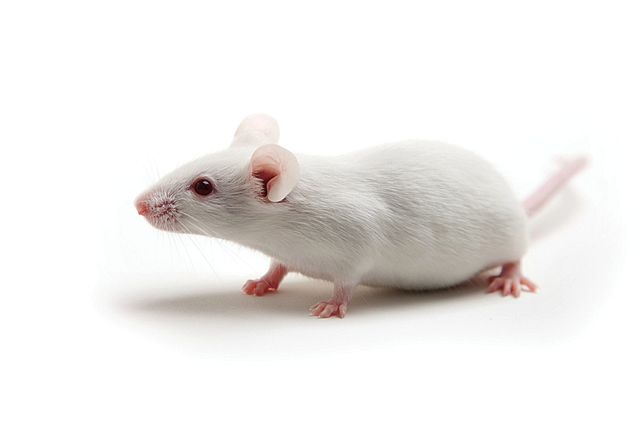
Humanized mice play a critical role in the discovery of safer and more effective treatments for human disease. Researchers often face the challenge of accurately testing human diseases in a way that can support clinical outcomes. Humanized mice replicate the human immune system and test how numerous diseases progress before going to clinical trials.
With our humanized mice, you can now engraft cells and tissues into the NCG mouse. With a living system that hosts components of the human immune system, humanized mice enable and enhance the study of immune responses, tumor growth, and infectious diseases.
Take the Next Step with Our Humanized Mice Portfolio
Not sure where to start? Contact us for a quote, to place an order, or to talk to our scientific experts about your research needs.
Advance Your Studies with Humanized Mice
When your immuno-oncology and infectious disease research requires humanized animal models, Charles River’s models deliver a proven track record of supporting the research of pharmaceutical companies, biotechs, and academic institutions. With a comprehensive portfolio, we offer multiple humanized options with validated data, fast turnaround, and flexible study options.
Humanized mice are created by engrafting immunodeficient mice with human cells to develop a functional human immune system. The most common methods include:
HuCD34+ NCG Humanized Mouse Model
Developed by transplanting human CD34+ HSCs which are used to study the immune system in vivo, this model provides a long-lasting and stable immune system which allows for extended studies of immune responses.
HuPBMC NCG Humanized Mouse Model
Used as a pre-clinical tool for evaluating human immune responses in vivo, this model is created by engrafting immunodeficient mice with peripheral blood mononuclear cells (PBMCs) derived from human donors. Now with two new strains – the HuPBMC-NCG-B2m-KO and the HuPBMC-NCG-MHC-dKO – these ready-to-use models further delay the onset of graft-versus-host disease (GvHD) providing researchers with more time to perform their oncology research.
PBMC Select Humanization Kit
Create your own PBMC-humanized animal models with our humanization kit. The kit offers multiple advantages for immuno-oncology, infectious disease, and autoimmune disorder research, including the flexibility and convenience of allowing you to select our pre-validated PBMC models and match them to your studies timing.
If you need assistance to run your humanized mouse tumor model studies, our team can design appropriate studies and select the best model platform to help you reach your research goals.
Webinars
WEBINAR
Managing Donor Variability
View Webinar
WEBINAR
Humanized Models for Cancer Research
View Webinar
WEBINAR
Selecting the Right Humanized Model
View Webinar
Choose the Humanized Mouse Model Option That's Best for You
Our humanized mouse models are engrafted with either PBMC or CD34+ stem cells derived from umbilical cord blood. These models have been shown to respond to known immune checkpoint inhibitor therapies. The ability of human immune cells to engraft in the NCG mouse makes it a powerful tool to evaluate compounds for immuno-oncology, GvHD, infectious disease, and inflammatory disease research.
| CD34+ | PBMC |
|---|---|
| HSCs derived from umbilical cord blood | Prequalified donors with different engraftment rates and onset of GvHD |
| Mice are engrafted on a weekly basis and routinely available | Recallable donors are available for multiple experiments over time |
| Quality controlled by screening human cell populations by flow cytometry prior to being released | Rapid reconstitution |
| Long-term studies | Short-term studies |
| Multilineage immune system | Predominantly T cells |
Frequently Asked Questions About Humanized Mice
-
What are humanized mice?
Humanized immune system mice are immunodeficient mice engrafted with human cells, tissues, or genes to model human biological processes.
-
What are humanized mice used for?
Humanized mouse models are used to study human immune responses, disease progression, and drug efficacy in a controlled in vivo system before clinical trials.
-
How are humanized mice made at Charles River?
Humanized mice are created by transplanting human immune cells into our immunodeficient mouse strain, the NCG Mouse with PBMCs and CD34s.
Our HuCD34+ NCG humanized mouse model is a severely deficient immune animal model preconditioned by whole body irradiation, followed by intravenous engraftment of human CD34+ cells. Humanized mice carrying human CD45+ cells, including B cells and T cells are ready for study 14 – 16 weeks post CD34+ cell engraftment.
Our HuPBMC NCG humanized mouse model is created by engrafting non-irradiated NCG mice intravenously with human PBMCs. HuPBMC NCG carry predominantly CD3+ T cell populations.
-
Why are humanized mice used in research?
Humanized mice are used to study human immune responses, disease progression, and drug efficacy in a living system that mimics human biology.
-
Can humanized mice be used for cancer research?
Yes. Humanized mice can be used for cancer research because they allow researchers to study tumor growth and immune interaction.
-
What types of humanized mice exist?
There are two types of humanized mice – CD34+ humanized mice, which develop a stable human immune system, and PBMC humanized mice, which have human T-cells to study human immune responses.