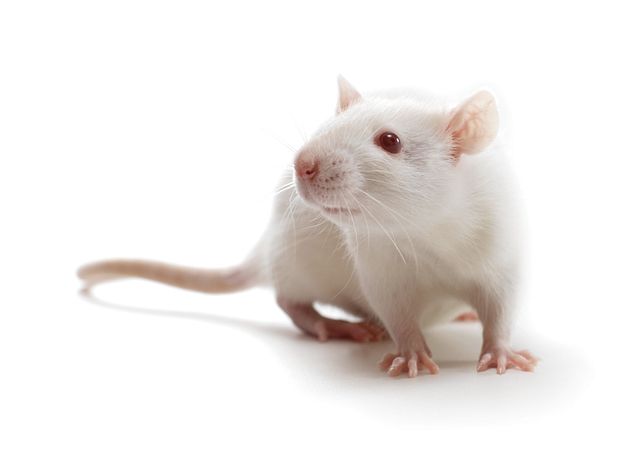
Creating and Maintaining Transgenic and Knockout Rat Models
The rat model has long been a model favored by physiologists, pharmacologists, and neuroscientists due to the many physiological similarities with humans. Its larger size allows for certain experiments and surgical procedures as well as the monitoring of physiological parameters which are not achievable using mouse models. In some cases the knockout rat model offers a better clinical characterization approach.

“Outside-the-Box” Generation of Targeted Mutant Rodent Models
View this webinar for a discussion on designing sophisticated rodent models for improved predictability. Watch on Demand
Services Offered for Knockout Rats
- Mouse & Rat Contract Breeding
- Transgenic Mouse & Rat Model Creation
- Genetic Testing Services
- Embryology (including cryopreservation and rederivation)
- Rapid Colony Development
- Animal Quarantine
- Line Rescue
Frequently Asked Questions (FAQs) About Transgenic and Knockout Rats
-
What is a knockout rat?
Defined by having had certain genes of interest made inoperative, or "knocked out," knockout rat models, also called KO rats, are often used to study gene function.
-
Why is the rat model suited for cardiovascular studies?
The rat model is well-suited for the study of atherosclerosis, hypertension, stroke models, and other heart-related disease not only because of its larger size, but also for its physiology.
-
Why is the rat model suited for CNS studies?
Its ability to learn and accomplish sophisticated behavioral tasks is a key reason why the rat model is relevant for the study of nervous system diseases.
-
What further resources and publications exist for the rat model?
Various publications cite the biomedical relevance of rat models, the progress and prospects in rat genetics and the use of genetically modified rat models for translational medicine.
*CRISPR/CAS9 used under licenses to granted and pending US and international patents from The Broad Institute and ERS Genomics Limited.