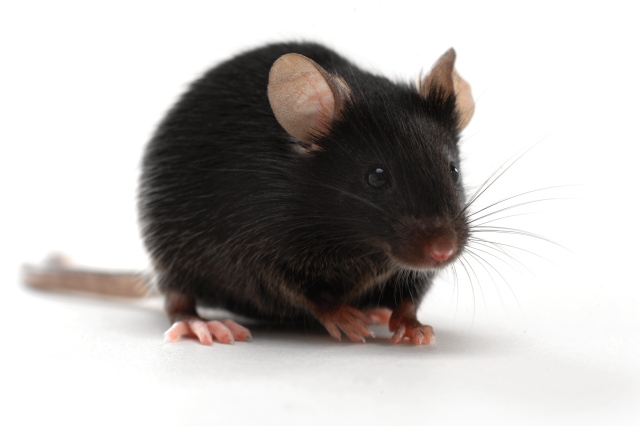
Knockout Mouse Models
Knockout mice are defined as having a certain gene of interest made inoperative, or "knocked out." Often referred to as KO mice, they are used to study gene function and to validate new drugs and treatments. Charles River's model creation services deliver high-quality, validated knockout mouse models for generating consistent study data which makes research reproducible, and lowers overall study costs. Our end-to-end commitment ensures adherence of project timelines, confidentiality, exclusivity of intellectual property, breeding under VAF Plus® (SOPF) standards, and secure global delivery.
What Services are Available for Knockout Mice?
- Mouse and rat contract breeding
- CRISPR/Cas9* genome editing
- ES cell mutagenesis
- Genetic testing services
- Embryology, including cryopreservation and rederivation
- Rapid colony development
Types of Knockout Mouse Models
-
Constitutive Knockout Mice
This model is engineered to carry an inoperative gene. Usually, inactivation of the gene is achieved by the deletion (partial or total) of its sequence, and it is nonfunctional in the entire animal.
-
Conditional Knockout Mice
These knockout mice allow the deletion of a gene in a tissue- and/or time-specific manner. Often, the conditional KO mouse is achieved through the Cre-lox system. Instead of deleting the critical sequence, it is flanked by loxP sites (termed a floxed sequence). Cre recombinase deletes the sequence between two loxP sites. An inducible or tissue-specific Cre is used to knockout gene function in only that tissue.
-
RNAi Knockout Mice
RNA interference can reduce the expression of a target gene, without deleting it. Typically this is combined with conditional and/or inducible approaches to reduce expression of the target only under certain conditions in adult animals.
Discuss your project / Request a quote
VIDEO: Considerations for Creating Knockout Mice and Other Transgenic Animal Models
-
Video Transcript
00:08Using genetically engineered rodents as models of human disease, have transformed scientific research. Properly designed and validated, they can provide accurate study data, decrease the number of animals used and reduce study costs. Those working with mutant and transgenic mouse models often fall into two categories, academic research institutions looking to decipher the mammalian genome to understand how a specific gene functions and global pharma and biotech companies utilizing models such as knockout mice, in order to validate new drugs and treatments. 00:46 Research employing these models continues to evolve at an incredible pace. How you obtain and maintain them is important because many factors can impact experimental reproducibility and scientific conclusions. The quickest method is to purchase them from a repository or obtain them from a collaborating lab. However, one must consider if these models are an exact fit for your research needs. What is their health status? Could their genetic integrity have been compromised? Could they be carrying the wrong genes? 01:18 Many institutions have set up internal transgenic cores for generating new mouse models. However, they can sometimes be impacted by health status or capacity issues, which can influence project timelines. In addition, institutions may lack the expertise required for specific projects. CRISPR-Cas9 technology has accelerated the creation of knockout mice and other mutant animals. It not only reduces timelines but also allows for flexibility to work with other species such as the rat model, which may be a better fit for certain studies. 01:53 But is CRISPR always the best choice? To answer this question, you should consider how complex the gene modification is. How to detect unexpected CRISPR off and on target effects. For commercial organizations, issues with IP and licensing may result in serious financial ramifications. An effective way to obtain your knockout, knockin or transgenic mice is to work with a qualified external vendor. 02:20 You'll receive advice from experienced scientific teams, utilizing a variety of techniques, strict adherence to project timelines, access to and advice on CRISPR licensing with ownership of intellectual property, a high health status with breeding under VAF+ or SOPF standards and a high degree of model validation and analysis to ensure your new model generates consistent study data. 02:46 Charles River's model creation services provide an optimal environment for generating, characterizing, preserving and distributing your transgenic lines. Our full service portfolio includes custom breeding, embryology services, genetic testing, drug discovery and safety assessment services. With vast experience in the drug development life cycle, you'll have a trusted partner to get you from concept to clinic. Learn how we can help by talking to someone from our scientific team today.
Frequently Asked Questions (FAQs) About Knockout Mice
-
What are knockout mice?
Knockout mice are genetically modified mice that have one or more genes intentionally removed or "knocked out" in order to study the function of that gene in relation to a particular disease or condition.
-
Why are knockout mice important in biomedical research?
Knockout mice are important in biomedical research because they allow scientists to study the function of specific genes and their roles in diseases or conditions. By removing a particular gene, researchers can observe the effects on the mouse's physiology and behavior and gain insight into how the absence of that gene may affect humans.
-
How are knockout mice made?
Knockout mice are created using a process called gene targeting, which involves replacing a specific gene with a non-functional copy. This can be done using techniques such as homologous recombination or CRISPR/Cas9* gene editing.
-
What types of diseases or conditions are studied using knockout mice?
Knockout mice have been used in cancer, cardiovascular disease, neurodegenerative disorder, and immunology studies. Some examples include studying the role of tumor suppressor genes in cancer, investigating the molecular mechanisms of Alzheimer's disease, and exploring the immune response to viral infections.
-
What are the advantages of using knockout mice in research?
Knockout mice allow researchers to study the specific roles of genes in vivo, which can provide valuable insights into the mechanisms of disease and potential therapeutic targets. They also allow for the testing of new drugs and treatments in a controlled and standardized laboratory setting.
-
How do researchers ensure the validity and reproducibility of their results when using knockout mice?
To ensure the validity and reproducibility of their results, researchers use rigorous experimental designs and statistical analyses, as well as carefully controlled conditions to minimize variability. They also publish their findings in peer-reviewed journals and share their data with the scientific community for further scrutiny and replication. It is also essential to check that the knockout model leads to total inactivation of the targeted gene. It should also be borne in mind that the results obtained have only been achieved in a single experimental and genetic context.
-
How are knockout mice used in oncology research?
Knockout mice are particularly useful in oncology research because they allow researchers to study the effects of specific genes on tumor growth and development. By creating mice that are missing a particular gene associated with cancer, researchers can gain insight into the role of that gene in the development and progression of tumors.
-
How are knockout mice used in neuroscience research?
Knockout mice are used in neuroscience research to investigate the effects of gene mutations on brain development, function, and behavior. Researchers can study the behavioral and physiological effects of a particular gene's absence by comparing knockout mice to normal, wild-type mice.
-
What are some of the advantages of using knockout mouse models?
The gene knockout method is the simplest approach to reveal fundamental gene functions. Conditional knockout/inductible mice, inducible knockout mice, and knockdown mice can avoid the risk of a lethal phenotype associated with gene inactivation at earlier stages in development and allow for an analysis of gene inactivation effects on adult animals. Furthermore, as 65% of protein coding genes are likely pleiotropic, a conditional knockout mouse simplifies phenotyping analysis by focusing on a specific cell type.
-
Are there other project considerations?
Disrupting genes can sometimes result in compensation by other members of a multigene family. In these cases, multiple knockouts may be needed to obtain phenotypical effects (e.g., Hox genes). Moreover, it is possible that gene knockouts may fail to produce observable phenotypes in knockout mice, or may produce different characteristics from those observed in humans. Mouse background choice is an important consideration for better mimicking human phenotypes – ask our experts for further advice.
-
What are the methods used for generating a knockout mouse model?
Depending on your study and objectives, knockout mice can be obtained through:
- Genome-editing nucleases (e.g., CRISPR knockout)
- One-cell embryo direct injection
- ES cell modification
For further information on knockout mice, please see the International Knockout Mouse Consortium (IKMC) website. - Genome-editing nucleases (e.g., CRISPR knockout)
-
Where can I get more information about CRISPR?
The Science of Controlling CRISPR
With technologies like CRISPR gene editing accelerating at a rapid pace, what was once thought to be impossible to achieve with mice may become reality sooner than we ever imagined. The challenge will be to fully understand and control these new mouse model creation tools. For example: how does one limit off-target effects? What do we know about circular permutation, or inhibiting CRISPR with anti-CRISPRs? Read the full storyThe CRISPR Potential in Accelerating Drug Development
CRISPR's comparative ease of use is expected to contribute to the development of more multifaceted cellular assays with improved predictability for drug therapies. Some of the benefits include reduced attrition rates of compounds and improved target validation. Read the full story
GUIDEBOOK
Rodent Model Genetic Quality Control
Learn the essentials of genetic QC programs: inbred/outbred colony quality control, transgenic rodent model creation, rederivation, and cryopreservation techniques. Download Now
The Impact of Genetic Background and Genotyping Webinar: Questions and Answers
-
Could you please speak to the issue of refreshing breeder colonies to maintain the overall genotype of a new knockout mouse or other mutant strain?
We refresh every five generations to avoid creation of a substrain.
Refreshing breeder colonies for knockout mice is an important requirement and should be performed on regular basis every 5 – 10 generations of breeding. This will help to mitigate the risk posed by genetic drift and the occurrence of spontaneous mutations that may impact mouse phenotypes and experimental data bias.
Refreshing can be done in two ways. The first method is to revitalize cryostock. Cryopreservation should be done when we can be confident that the line line has not already drifted.
The second way would be to breed a few generations (three generations are recommended) with wild-type animals purchased from genetically controlled colonies. Remember to first breed transgenic females with WT males to refresh the Y chromosome.
-
If an unexpected phenotype appears in a colony of knockout mice, what should I do to evaluate whether this phenotype is from the mutant target gene, or from the nonspecific background gene?
Use of an appropriate wild-type and/or HE control will tell help you evaluate where exactly the change in phenotype came from with your knockout mice. If the phenotype is induced by the mutant target gene then the controls should not show the phenotype.
-
I have created new knockout mice via CRISPR/Cas9* genetic engineering, how should I design my backcrossings? Should males carrying the mutation (the desired modification) mate with WT females or vice versa?
Always backcross the first KO mouse females with wild-type males to refresh/exchange the Y chromosome. Then in subsequent breedings, use transgenic males obtained from the first breeding round to mate with wild-type females.
-
Is brother/sister mating advisable to maintain inbred strains?
Theoretically speaking, brother/sister mating is really the only way to propagate an inbred strain, especially for larger colonies. For smaller colonies, it is possible to do it differently, but only if the colony is regularly refreshed following a well-designed strategy.
-
How can I determine the correct sample size to control genetic background of my KO mouse colony?
Depending on the test used, with STR markers, certain testing organizations advise the use of at least three individuals. Most of the time, testing 3 – 5 individuals is enough to get informative indication on genetic background purity.
*CRISPR/CAS9 used under licenses to granted and pending US and international patents from The Broad Institute and ERS Genomics Limited.
