
Comet Assay: Precisely Measure DNA Damage
In Vivo Comet Assay
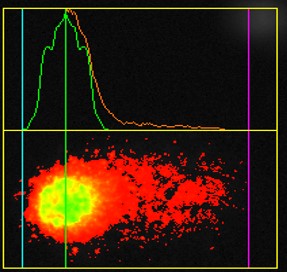 The in vivo Comet assay, also known as the single-cell gel electrophoresis (SCGE) assay, is essential in assessing DNA strand breaks. The single cell gel electrophoresis, or comet, assay is a genotoxicity test that is able to detect DNA damage at the single-cell level. Our expertise in conducting this assay enables us to evaluate the genotoxic potential of your product across various tissues. The Comet assay is most frequently used to analyze white blood cells or lymphocytes in human biomonitoring studies, although other cell types have been examined, including buccal, nasal, epithelial, placental cells, and spermatozoa.
Unlock Faster, Smarter Toxicology Decisions
Learn how real-time toxicology data and digital pathology drive accelerated decision-making and reduce costly delays.
Watch the Webinar
When to Perform Comet Assay Techniques
- IND-enabling studies
- As part of the ICH S2 (R1) standard battery (Option 2)
- As a follow-up to a positive in vitro mammalian cell clastogenic response
- REACH requirements
- As a follow-up to a positive result in an Annex VII or VIII genotoxicity test
- 3D Skin In Vitro Comet Assay
- Cosmetics testing
- Investigation of first site-of-contact (skin) of potential genotoxicants in toxicological safety assessment
Benefits of Partnering with Us
- Rapid turnaround times: Efficient study design and streamlined processes to deliver your results promptly
- Expert data analysis: Leveraging advanced software and experienced scientists for precise interpretation
- Regulatory compliance: Adherence to international guidelines (OECD, ICH) to ensure your data reliability and acceptability
- Customized study design: Tailored experimental protocols to address your specific research questions
- Comprehensive reporting: Detailed study reports with clear and concise data presentation
- State-of-the-art facilities: Access to cutting-edge equipment and technologies for optimal results
- Dedicated project management: A single point of contact to oversee your study using Comet assay techniques from start to finish
Pig-a-Assay: Uncover Genetic Mutations
Mammalian Erythrocyte Pig-a Gene Mutation Assay
The Pig-a gene mutation assay is used for scoring the frequency of mutant phenotype erythrocytes (RBCs) and mutant phenotype immature erythrocytes (reticulocytes or RETs) by measuring the induction of mutations at the Pig-a gene. Mutations in the Pig-a gene can prevent production of glycosylphosphatidylinositol (GPI) anchor proteins on the cell surface. Thus, cells without these cell surface markers represent a reliable phenotypic marker of Pig-a mutation.
Understanding the implications of positive genetic toxicology results is crucial to program success. Secondary tier assays like Pig-a offer significant value both for understanding a compound’s mode of action and for following up on a positive in vitro genetic toxicology assay. The Pig-a assay is a valuable tool for detecting gene mutations in red blood cells. Our expertise in conducting this assay provides you with:

Get Our SEND E-Guide
SEND regulations can be a challenge to navigate on your own. Our E-Guide can help.
Access the E-Guide
- Efficiency: Seamlessly integrates into existing toxicity studies, saving time and resources
- Rapid Results: Delivers fast, quantifiable data through flow cytometry for accelerated decision-making
- Minimal Invasiveness: Requires only small blood samples, reducing animal discomfort and burden
- Humanity and Ethics: Adheres to the 3Rs principles of Reduce, Refine, Replace, promoting ethical research
- Modern Approach: The Pig-a-assay replaces outdated transgenic rodent models with a more efficient and humane alternative
Safeguard your product's reputation with our in vivo genotoxicity assays. Click below to reach out to our experts and discuss your project requirements.
Frequently Asked Questions (FAQs) About In Vitro and In Vivo Comet Assay Studies and Pig-a Assay
-
I got a positive response in my in vitro mammalian cells test; what can I do?
Assuming negative results in the bacterial reverse mutation assay (Ames assay), if there is no sufficient weight of evidence or mechanistic information to rule out relevant genotoxic potential, two in vivo tests are usually required, with two different tissues and demonstrated target organ exposure. Generally, a micronucleus test and a comet assay analysis will be recommended. Negative results in two appropriate in vivo endpoints are considered sufficient to demonstrate the absence of significant genotoxic risk.
-
Can I include the comet assay in my toxicology repeat dose study?
Like many of the in vivo genotoxicity tests, and in the spirit of the 3Rs, the comet assay can be integrated into a repeat-dose toxicity study designed for other purposes, or the endpoint can be combined with other genotoxicity endpoints such as the in vivo mammalian erythrocyte micronucleus assay, provided the dose levels and dosing regimen are appropriate. However, because the DNA damage that is measured usually does not persist, longer exposure does not result in increased sensitivity. Therefore, it is necessary to collect the tissues for comet assay analysis within 2-6 hours following the last administration, which can sometimes be challenging.
In addition, the selected tissue to be evaluated should be based on the intended route of human exposure, metabolism and distribution, potential for site-of-contact effects, structural alerts, other genotoxicity or toxicity data, and the purpose of the study. Because it is the primary site of metabolism, the liver is almost always included for evaluation, provided systemic exposure is demonstrated. However, the stomach or duodenum could be evaluated when the test article is administered by oral gavage since they are considered site-of-contact tissues with highest exposure.
-
How does the in vitro skin model correlate to human skin?
Phenion® FT Skin Models are full-thickness, reconstructed 3D skin models comprised by the two main layers of human skin – epidermis and dermis. These models retain full epidermal differentiation as observed in human skin, including stratum basal, spinosum, granulosum, lucidum, and corneum. This 3D skin in vitro comet assay may serve as great in vitro alternative to animal testing.
-
What is the Pig-a assay and why is it used in genetic toxicology testing?
The Pig-a assay is an in vivo test used to detect gene mutations in erythrocytes (red blood cells). It's a valuable tool in genetic toxicology because it can identify compounds that cause DNA damage and lead to mutations in somatic cells. This is important for assessing the potential carcinogenic risk of a substance.
-
What are the advantages of using the Pig-a assay in drug development?
The Pig-a assay offers several benefits, including its ability to detect mutations at low frequencies, its applicability in both nonclinical and clinical settings, and it is efficient in monitoring genotoxicity over time. This makes it a valuable tool for identifying potential risks early in the drug development process, reducing the likelihood of late-stage failures.