
Preclinical Neuroscience CRO Services
Explore this interactive tool to learn more about our neuroscience CRO services including screening, efficacy assays and innovative cell models, animal models and translational in vivo readouts, toxicology, and IND-enabling studies.
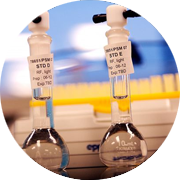
From CNS early discovery through clinical sample analysis, we continually develop and validate comprehensive bioanalysis (via mass spectrometry, immunohistochemistry, cell-based assays, flow cytometry, molecular biology, PK/PD, and biomarker) assays to meet the ever-changing demand of innovative drugs through the pipeline.
Predictive biomarkers are critical tools in CNS drug discovery and development, as they assess activity of candidate therapeutics and validate targets to provide mechanism of action, therapeutic efficacy, and toxicity.
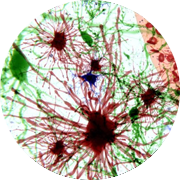
Measuring behavioral changes is widely used for neurological diseases associated with cognition, psychiatric disorders, and neurodegeneration. This method is especially powerful when performed together with in vivo assays that assess neurochemical changes in the same animal.
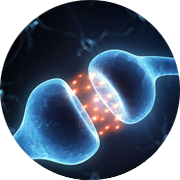
Assessing the functional activity of your neuronal cell cultures, brain slices, or tissue can be cumbersome. Whatever your therapeutic area – neuromuscular, schizophrenia, neuropathic pain, or epilepsy – we have the equipment and expertise to conduct automated patch-clamp electrophysiology and multi-electrode array studies.
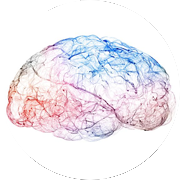
Impairment of motor skills is used as an early diagnosis marker in neuromuscular and neurodegenerative diseases. To test therapeutic compounds in animal models, characterizing fine motor impairment can reveal early changes in disease models and provide an opportunity to pharmacologically manipulate.
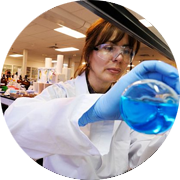
Microdialysisis a noninvasive method for collecting CSF and other fluid samples from the brain or tissues of awake animals. Samples are typically analyzed using LC-MS to assess neurochemical metabolites, therapeutic efficacy windows, or fluid biomarkers.
We can study neurotransmitters and metabolites from many different types of biological matrices using a variety of bioanalytical tools such as LC-MS, electrochemical detection, or fluorescence detection.

Neurological small animal imaging methodologies have the potential to dramatically increase the efficiency of lead candidate selection by providing earlier and more highly predictive data. See what state-of-the-art noninvasive preclinical imaging like pharmacological MRI, nuclear, and functional ultrasound imaging can add to your program.
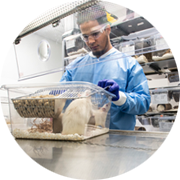
Charles River Accelerator and Development Lab (CRADL®) offers full-service, turnkey vivarium space for emerging and established biotech and pharmaceutical companies. Our facilities allow you to invest in your research program without compromising the quality of your workspace, equipment, and services.

Charles River offers study-ready aged C57BL/6 mice up to 78+ weeks of age, supporting research in neurodegeneration, immunology, and age-related disease models.
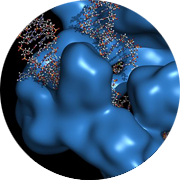
Using CRISPR/Cas9 genome editing to create unique rat and mouse models of neurological disease offers the advantages of time savings, reduction in animal use, and improved overall cost-effectiveness.

Microbiome & Next Generation Sequencing
In recent years, the connection between the gut microbiome on host physiology and the onset of neurological disease has become recognized as an important area of interest. Next generation sequencing can assess the biodiversity of your animal colony and research experiments.
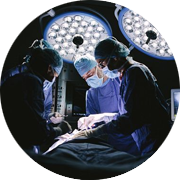
Neurological Surgical Procedures
Our skilled veterinary surgeons and technicians perform a comprehensive selection of procedures for rats, mice, guinea pigs, and large animals, including bilateral brain cannulation, microdialysis probe implantation, spinal nerve ligation, 6-OHDA Parkinson’s disease lesion models, and more.
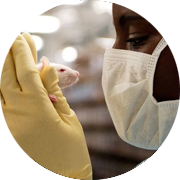
You can reduce attrition rates with animal models that closely mimic neurological diseases. We can support your neuroscience research with a range of standard and custom in vivo pharmacology models for Alzheimer’s, Parkinson’s, psychiatric disorders, pain, brain injuries, and more.

Where small molecule drug therapy has failed, RNA interference has emerged to silence specific genes such as those identified for genetic neurodegenerative disorders like spinocerebellar ataxia and Huntington’s disease.
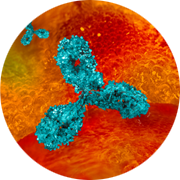
Antibody Discovery and Optimization
Antibody engineering advances have allowed for the fastest, most diverse, and optimized lead discovery in neuroscience disease areas. Shortening timelines and improving translational outcomes is possible, as illustrated in this GPCR case study of how a panel of novel inhibitors to CXCR5 were generated using the antibody library for antibody discovery and the Tumbler antibody optimization platform.
Antisense Oligonucleotide (ASO) Screening
ASO screens can be designed to evaluate a variety of proven mechanism of action approaches for antisense oligonucleotide therapy. To date, we’ve developed ASO screening assays primarily for rare neurodegenerative disorders.
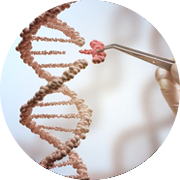
CRISPR Cas9 gene editing has transformed drug discovery and development. It has been used successfully for editing the Huntington CAG repeat in human iPSCs and for high-content screening of disease-relevant in vitro assays for ALS.
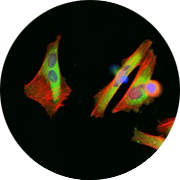
In CNS research, we use high content imaging to characterize stem cell-derived neuronal lineages and a host of validated assays like apoptosis, autophagy, protein aggregation, cell or mitochondrial motility and migration, epigenetic modifications, maker expression, protein acetylation and phosphorylation, receptor internalization and degradation, sub-cellular localization and translocation of transcription factors.
Utilizing vast compound libraries, chemists use high-throughput screening to rapidly identify promising compounds for neuroscience target validation and identification.
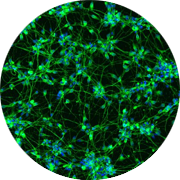
Generating induced pluripotent stem cells (IPSCs) for neurological disease-relevant assays, coupled with specific differentiation protocols for production of neurons and/or astrocytes, improves translation to in vivo models.
Our ion channel assays guide your early screening investigations and selectivity profiling with 120 targets organized in functionally-validated disease areas. CNS-focused Channel Panels™ include pain, psychiatric disorders, neurodegeneration, and seizure disorders.

Modern medicinal chemistry is highly multidisciplinary, driving CNS drug discovery innovation from novel synthesis and delivery to screening. Small molecule and large molecule CNS targets range from GPCRs to kinase inhibitors and have proven useful for studying diseases of neurodegeneration such as Parkinson’s disease and Huntington’s disease.
Neurological disease research and drug discovery uses proteomics to search for disease or pharmacological signatures. This allows us to understand biological mechanisms and identify specific proteins and their modifications, e.g., ubiquitination or phosphorylation in Parkinson’s disease and Huntington’s disease models.
Abuse and Dependence Liability Testing
Any new chemical entity that penetrates or targets sites in the central nervous system requires an assessment for abuse and liability. Our specialized neurobehavioral testing strategies can help you assess CNS-mediated effects in compliance with both international health and drug control guidelines.
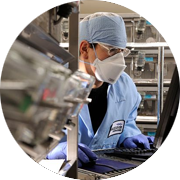
Our comprehensive suite of in vitro assays and in-life capabilities enable the design of compounds that penetrate the tight junctions of the blood-brain barrier whilst avoiding efflux by transporters such as p-gp. This is imperative to achieve sufficient free-drug exposure in the brain to exhibit a pharmacological effect.
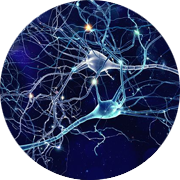
Services in neuropathology range from whole-body perfusions to specialized staining capabilities. Our skilled team of pathologists regularly assists with study design, development strategies, and regulatory submissions for a wide variety of compounds affecting the nervous system.
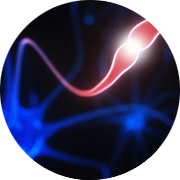
Testing your therapy for adverse effects on the chemistry, structure, or function of the nervous system is critical. Our neurotoxicology program is dedicated to a broad range of products from biologics to small and large molecules in both rodent and nonrodent species.

We incorporate both in vitro and in vivo models and assays into our toxicology and safety pharmacology studies. These range from in vitro electrophysiology assays that assess potential risks for specific neurodegenerative and neuroinflammatory diseases such as Huntington’s disease or neuropathic pain, to the design of FOB/Irwin screening in animal models.
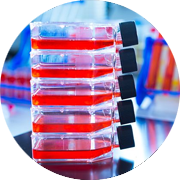
From early discovery to animal model development to safety assessment, quantification of neuronal subpopulations and other central nervous system components can be a vital endpoint. Because the brain is such a unique and heterogeneous tissue, unbiased stereology is the only way to accurately quantify its structures.
Plasmid and Viral Vector Products
Innovative products to enhance gene discovery research with an extensive portfolio of off-the-shelf products for AAV, lentivirus, and adenovirus, plus a wide selection of expression plasmids, AAV reference material, and reporter control viruses.

Plasmid DNA Manufacturing Services
Fit-for-purpose, phase-appropriate custom plasmid production, from research grade and High Quality (HQ) to GMP, leveraging the eXpDNA™ Plasmid Platform to streamline development and expedite timelines to as little as five weeks.
AAV Vector Manufacturing Services
With proprietary HEK293 and 293T producer cell lines for adherent or suspension culture and a solid track record in scaling up AAV gene therapy programs from research to GMP, the nAAVigation® Vector Platform offers speed and predictability, helping developers navigate the path to clinic. Off-the-shelf packaging plasmids (Helper, Rep/Cap) are also available to expedite production.
We are thrilled to partner with Charles River for our new acceleration program, DanubeNeuro. Charles River’s unparalleled expertise in the development of neurotherapeutics will significantly support us in selection and development process of product candidates. This collaboration will not only bring forth projects with the highest potential, but also de-risks this complex and challenging process for investors. We are prepared to reach our, ultimate goal: improving the lives of patients and their desperate families.”
Eszter Nagy, MD, PhD, CEO&CSO of CEBINA
Related Resources
WEBINAR
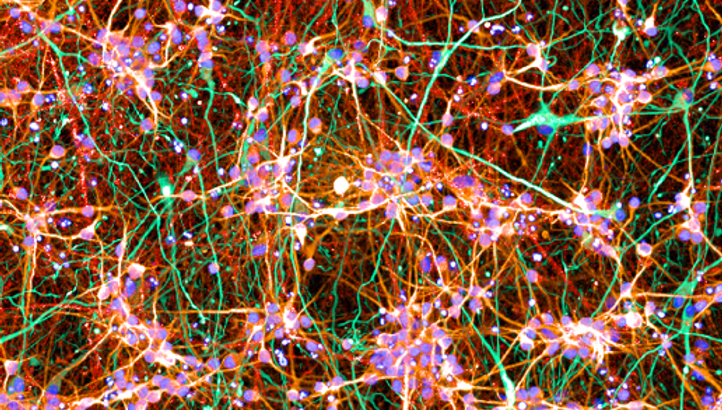
Innovative Cell Models for Myelination and Neuroinflammation
Learn how complex cell models can advance your drug discovery.
Watch now
EBOOK
Exploratory Toxicology for Neuroscience Drug Discovery
This eBook describes strategies across the early stages of drug discovery to support confidence in your lead small molecule candidate and to ensure you proceed through the drug development process with the most promising candidate.
Download eBook