
Nonclinical Abuse Liability Studies
Increasing regulatory concern to assess this and other CNS-mediated effects demand specialized neurobehavioral testing strategies that comply with both international health and drug control guidelines. Selecting the key drug and behavioral contingencies to use in the assessment is critical, as poorly designed studies can lead to false positives or underestimated liability that may manifest later in clinical trials or during the post-approval monitoring period.
At Charles River, we understand that the choice of a qualified partner for this function is critical. With our history of responding quickly to industry needs, our facility in Mattawan, MI has been the first CRO to offer fully GLP-compliant abuse liability assays in both rats and large animals in accordance with regulatory guidelines worldwide. We have conducted 100+ drug abuse liability studies, in addition to also conducting nonclinical screening in other standard models, addressing pain and specialized sensory functions, and various psychological and neurological disorders.
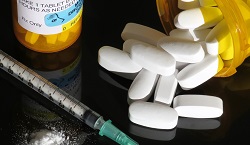
Liability Testing Strategies
Amid America’s ongoing opioid crisis, many wonder what role pharmaceutical companies play in helping reduce the likelihood that new medications will be abused.
Read the Blog
Responding to Your Drug Abuse and Dependence Liability Testing Challenges With:
Compounds and Assays
- Expertise with compounds that target known major neurotransmitter systems involved in reward/reinforcement (e.g., dopamine, opiate, serotonin, Gamma-Aminobutyric Acid [GABA], acetylcholine, N-methyl-d-aspartic acid [NMDA]), and which may require appropriate behavioral testing
- GLP-validated assays for:
- Self-administration (rat, large animal)
- Drug discrimination (rat, large animal)
- Dependence potential (rat, large animal)
- Behavioral Profiling
- Conditioned place preference/aversion (rat)
- Locomotor activity assessment (rat)
Additional Specialized Neurobehavioral Evaluations
- Pain/analgesia assessment:
- Tail flick, hot plate, Hargreaves, Von Frey, and writhing assays (rat)
- Tail withdrawal (rat and large animal)
Since pain assessment models should incorporate measures of general motor activity to ensure the selectivity of the NCE and peripheral or CNS pain pathways, we also offer:
- Accelerating rotarod performance (rat)
- Infra-red motor activity monitoring chambers (Kinder Scientific, rat)
- Morris Water Maze (rats)
- Seizure induction/blockade assessment
- Integrative neurological evaluations of objectively verifiable behavioral changes associated with movement disorders, such as
- Parkinson’s disease
- Huntington’s disease
- Dystonia, ataxias, and other paradoxical movement disorders

Exploratory Toxicology for Neuroscience Drug Discovery
This eBook describes strategies across the early stages of drug discovery to support confidence in your lead small molecule candidate and to ensure you proceed through the drug development process with the most promising candidate.
Download eBook
Additional Resources
Center for Drug Evaluation and Research (CDER) (2017). Consulting the Controlled Substance Staff on drug abuse potential and labeling, drug scheduling, dependence liability and drug abuse risks to the public health.
European Medicines Agency (EMA) (2006). Guideline on the non-clinical investigation of the dependence potential of medicinal products.
European Medicines Agency (EMA) (2009). ICH guideline M3(R2) on non-clinical safety studies for the conduct of human clinical trials and marketing authorization for pharmaceuticals.
European Medicines Agency (EMA) (2017). European Medicines Agency guidance for applicants seeking scientific advice and protocol assistance.
Food and Drug Administration (FDA) (2017). Assessment of abuse potential of drugs: Guidance for Industry.
Frequently Asked Questions (FAQs) About Abuse Liability Testing
-
What is drug abuse and how/when does it become a concern?
Drug abuse is the misuse of a substance for a non-medical purpose, such as to alter one's mood, perception, or consciousness. This can include the use of illegal drugs like heroin or cocaine, as well as the misuse of prescription medications like opioids or stimulants.
Drug abuse is a significant concern for several reasons. First and foremost, it can have serious health consequences, including addiction, overdose, and even death. In addition, drug abuse can lead to a few social and economic problems, including increased crime rates, lost productivity, and increased healthcare costs. Drug abuse can have a negative impact on an individual's mental and emotional health, leading to increased rates of anxiety, depression, and other mental health disorders.
-
Why is abuse liability required?
Testing a compound for abuse liability potential is important for several reasons. It helps to identify the likelihood of a compound being misused or abused by individuals. This can help to inform decisions about whether a drug product or substance should be made available to the public, and if so, what restrictions should be put in place to minimize its potential for abuse.
Testing for abuse liability potential can help to identify potential safety concerns associated with a compound, such as the risk of addiction or overdose. This information can be used to inform the development of appropriate dosing and administration guidelines to help minimize the risk of harm.
Evaluating a compound's abuse liability potential can help to identify potential alternatives or modifications that may be less likely to be misused or abused, thereby helping to minimize the risk of harm associated with its use.
Thus, testing a compound for abuse liability potential is an important step in ensuring the safety and effectiveness of drug products and substances, and can help to inform decisions about their appropriate use and availability.
-
What is abuse potential?
Abuse potential refers to the likelihood that a drug product or substance with central nervous system (CNS) activity will be intentionally and non-therapeutically used to achieve a desired psychological or physiological effect. The abuse potential of a drug is determined by various factors, such as its pharmacological properties, route of administration, and social and cultural context of use. Drugs with high abuse potential are those that are more likely to be misused, leading to addiction, overdose, and other negative consequences. It is important for healthcare professionals and policymakers to consider abuse potential when evaluating the safety and effectiveness of a drug product or substance.