
Rapid Pharmacokinetic Profiling
The iterative nature of in vivo PK screening requires rapid cycle times with changing priorities. We have built a team of experienced scientists with facilities and processes designed specifically to meet these challenging requirements. When combined with our discovery bioanalysis, Charles River delivers standard PK profiling parameters for non-compartmental analysis within five days of dosing.
Pharmacokinetic Screening Design
From standard screening to more complex PK studies, our skilled study directors can also help design the best strategy and customize protocols to suit any drug discovery program. We can perform all routes of administration with either single treatments in multiple animals, multiple compounds in a single animal, or a combination of treatments in a crossover study design. Our access to numerous tools and assets allows us to deliver better data, faster. Our supply of PK screen-ready rodents and colonies of nonrodent species supports quick study starts; this helps you avoid not only the high cost of naive animal purchase and quarantine delays, but reduces the number of animals needed for your research. Our standardized protocols and fully integrated LC-MS/MS bioanalysis of PK samples, including small volume samples support rapid results.
A Strategic Approach to Nonclinical Anti-Drug Antibody Assessment
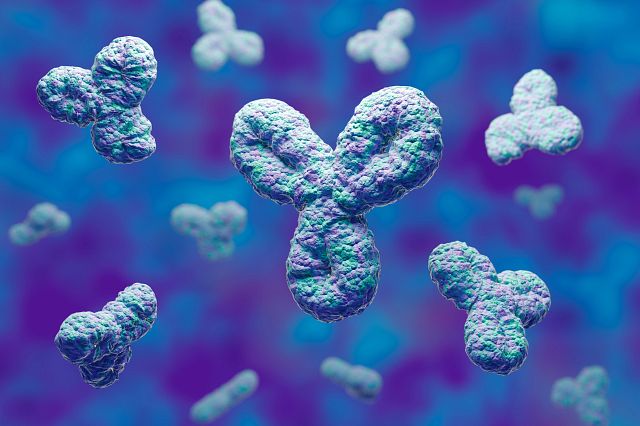
Katherine Malone, Associate Director of Research, presents a leaner strategic approach to anti-drug antibody (ADA) assessments to support nonclinical toxicology studies.
Watch the Replay
Bioanalytical Methods in PK Screening
Complete turn-around time is key and targeted for 5 days or less using robotic liquid handlers and LC/MS/MS methodology. Our fast PK profiling process helps to eliminate those unfavorable candidates and optimize the promising ones. The LC/MS/MS systems provide critical pharmacokinetic data for single or multiple drug discovery candidates with minimal sample preparation and method optimization. Our discovery bioanalytical approach utilizes a suite of standardized, fit-for-purpose research-grade assays with varying degrees of specifications based on your program requirements.

How Modern CROs Accelerate Your Drug Development
Are you facing delays, bottlenecks, or rising costs in your drug development process? In this webinar, you will learn how leading CROs overcome these challenges with innovative strategies. Gain insights that can directly impact your timelines, reduce risks, and streamline your path to approval.
Watch the Replay
Pharmacokinetic Statistical Analysis
Pharmacokinetics at the discovery and lead optimization stage are best suited for noncompartmental statistical analysis. Noncompartmental methods estimate the exposure to the drug by calculating the area under the curve of a concentration-time graph. Standard data generated from a research grade assay includes time to Cmax (tmax), Cmax, t1/2 elimination (terminal elimination half-life) and AUC (area under the curve). This data is critical to make go/no-go decisions on compound series and lead candidates moving into the preclinical testing phase of development.
Frequently Asked Questions (FAQs) About Pharmacokinetics (PK) Screening
-
What is pharmacokinetics?
Pharmacokinetics is the study of the effects of a living organism on an administered drug. The majority of pharmacokinetic screening studies involve the quantitative measurement of a specific compound in a biological fluid such as whole blood, plasma, serum, and urine to assess the time course of drugs and their effects in the body.
-
What is the difference between pharmacokinetics (PK) and pharmacodynamics (PD)?
Pharmacokinetics is the study of drug absorption, distribution, metabolism and excretion or the effects of a living organism on a drug. It describes the concentration-time courses of biological fluids following administration of the drug of interest. Pharmacodynamics is the observed effect from a certain drug concentration. Both should be studied to understand the dose-concentration-response relationships.